At what point did the balance of power in our county shift from the south, where it certainly stood until the 40s, to the north? Was there really a defining moment or was it just a gradual transition? To what extent was the shift generational? Who came in and who left Bedfordshire during that time? We certainly know that former Kent champion L. Pape (of Italian origin) bolstered the north, and it’s possible that the eastern European community of -many- refugees that Bedford acquired after WW2 also contributed, but if so how much so? According to Sweby the Bedfordshire League began in 45 when Vauxhall won the title first followed by Luton Chess Club for the next 14 years. How was it, then, that in county matches the south figured so poorly?
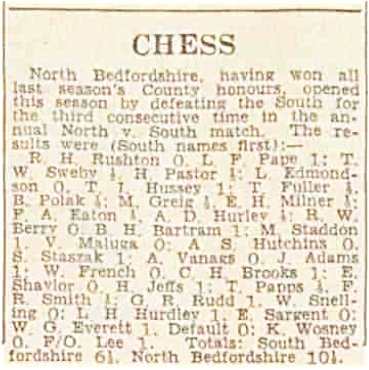
In the following cutting we learn that the south, headed by stalwart R. H. Rushton (see https://mccreadyandchess.com/2015/07/23/the-changing-face-of-chess/ for image) lost heavily to the north once more. I’m assuming that M. Staddon is either Nigel’s father or he himself (that being a misprint of course). His opponent V. Maluga (of Ukraine) I once played in my teens. I always remember he complained over the slowness of my play after he lost on the black side of a Ruy Lopez rather than the yellow jumper I wore.
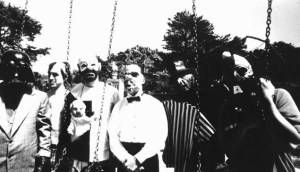
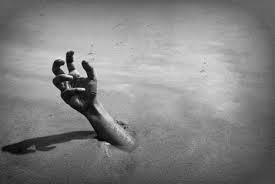
Valentine’s Day is crap here. Happy Valentine’s Day all you romantics out there. Here’s a nice pic for you to enjoy if you don’t think its all a complete load of commercial bo****ks that is.
AND NOW ONE OF McCREADY’S SPECIALS
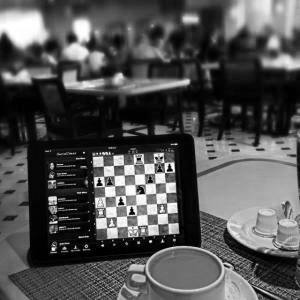
Here’s my film recommendation for tonight to get her in the mood (based on the view outside my window and the restaurant staff earlier!)
The diagram and analysis below shows us how deceptively simple endgames can be. It’s white to play and win. Did you find the first two moves without assistance? I know I didn’t.
Apparently I posted this four years back on this day. Not only can I not remember posting but I also couldn’t work out the solution when I saw it (I must be getting older!).
It’s white to play and win. You can ask for the solution if you can’t do it.
‘The life which is unexamined is not worth living.’ So Plato insists; and it is arguable that ‘unexamined history’, similarly is not worth doing.
Beverley Southgate – History; What & Why, Ancient and Postmodern Perspectives, pg.1, (Second edition), Routledge 2001
Introduction
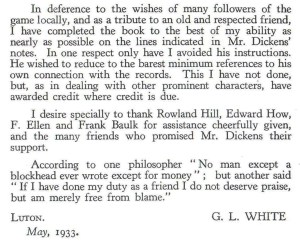
My fellow county players, if you’ve ever read the 1933 text Chess in Bedfordshire, which can be found in Bedford Reference Library as well as here: https://mccreadyandchess.wordpress.com/2015/09/09/chess-in-bedfordshire/, you may have found its austere tone and archaic model of history rather enchanting, perhaps passing over each chapter without noticing anything peculiar. If, however, you prefer to read history critically, which is the only way to read and write history thus speaks my former lecturer now Professor Emeritus, Dr. B. Southgate, you may have noticed that as honorable as the intentions of co-authors F. Dickens & G. L. White may have been (White continued Dickens’s work after his sudden death), neither were well-disposed to write a synchronic history of chess in our county (one that places greater emphasis upon the surviving institutions of the day) given that their work is littered with inaccuracies. Moreover, I will argue that Dickens’s motivation for writing as stated in the Foreword; that being, ‘…to produce a work which might serve to foster the pursuit of the royal game throughout the county’ is, to some degree, at variance with the ‘idealized history’ he had in mind where ‘undue flattery of any particular club or individual played no part’,the extent to which G. L. White improved the publication by going against some of his co-author’s wishes will be discussed later.
Some referencing wouldn’t have gone amiss here, also the publication should begin with a Preface and not a Foreword, since G. L. White is a co-author.
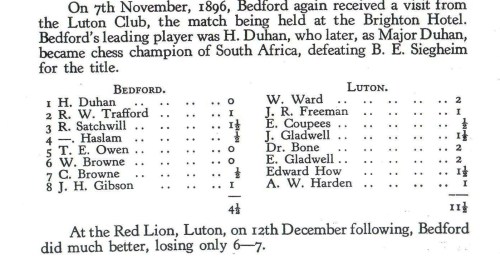
Crucially, the main purpose of this post is to expand further upon the ‘Bedford – Luton’ match played on ‘Nov 7th 1896’ (pg. 42), and subsequently the overlooked unacknowledged careers of H. Duhan playing for Bedford and W. Ward playing for Luton in order to show that our clashing duo were the first from Bedfordshire to gain international recognition for their ability over the board. Please note that all future unreferenced quotations are from the Foreword.
It is sometimes said that the aim of the historian is to explain the past by its ‘findings’, ‘identifying’, or ‘uncovering’ the ‘stories’ that lie buried in the chronicles; and that the difference between ‘history’ and ‘fiction’ resides in the fact that the historian ‘finds’ his stories, whereas the fiction writer ‘invents’ his. This conception of the historian’s task, however, obscures the extent to which ‘invention’ also plays a part in the historian’s operations. The same event can serve as a different kind of element of many different historical stories, depending on the role it is assigned in a specific motific characterization of the set to which it belongs.
Hayden White, Metahistory pg. 6, John Hopkins University Press 2014 Ed.
Part 1
An inauspicious citation & a minor correction
Take a book, the poorest one written, but read it with the passion that it is the only book you will read – ultimately you will read everything out of it, that is, as much as there was in yourself, and you could never get more out of reading, even if you read the best of books.
Kierkegaard, Stages on Life’s Way, 1845 p. 363-364
Is the account of (the) Bedford chess club (s) offered below convincing?
Chess in Bedfordshire pg. 41. ‘Owing to a lack of reliable information‘ -not that old chestnut! What they really meant was ‘Owing to a lack of interest on our part we couldn’t be bothered to… .
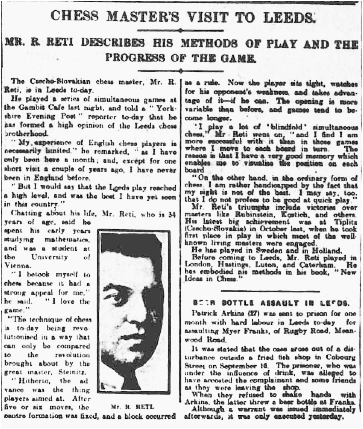
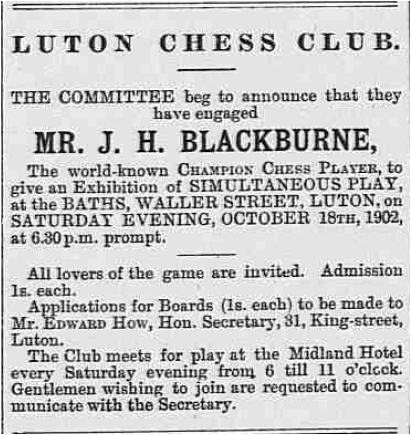
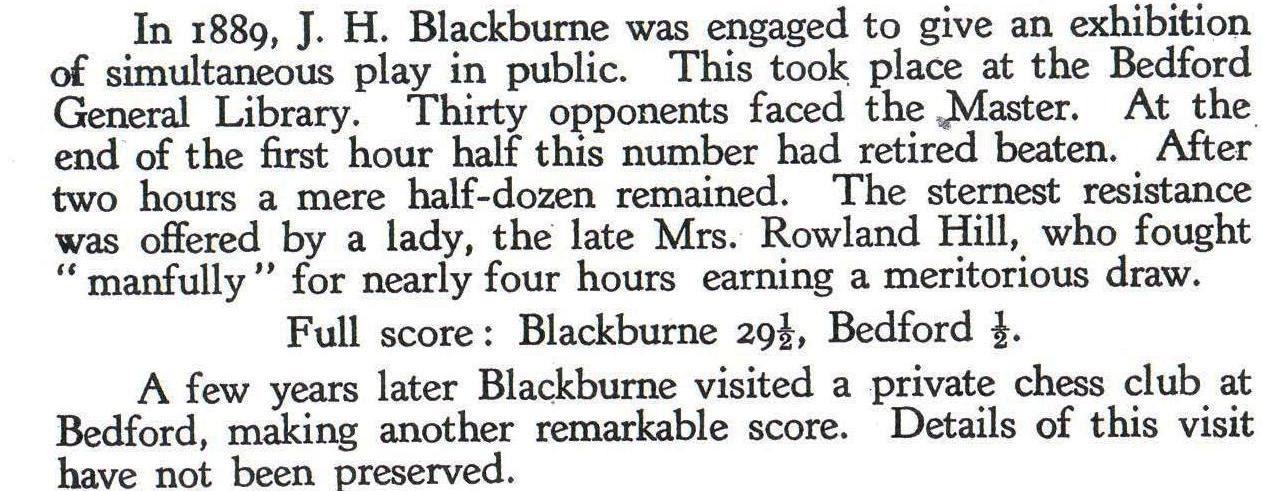
It is claimed that Blackburne’s second visit to Bedford has not been preserved:
Page 42
This is not correct as a few details have survived.
Part 2
Our clash of future champions -Duhan, the Bedford Major
…the conscious need of the strong poet [defined broadly as the creator of new metaphors]…to come to terms with the blind impress which chance has given him, to make a self for himself by redescribing that impress in terms which are, if only marginally, his own.
Richard Rorty, Contingency, Irony, Solidarity
Page 42 reads as follows:
Major Harold Taylor Duhan
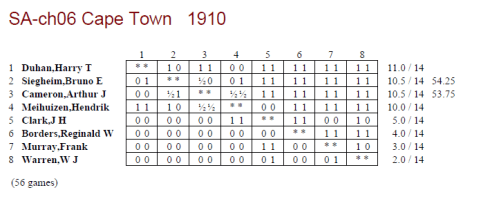
The claim that Harry Duhan became a future champion of South Africa is corroborated here:
A History of Chess in South Africa pg.69, Leonard Reistein (2003)
Though little is known about Harry’s life before he became a Major in the Boer War, he is found playing for Bedford in the reportage below (note that he was knocked out in the first round).
After WW1 Harry can be found playing for Bedfordshire in our inaugural match in the S.C.C.U. For the purposes of the next section, take note of who plays board 1 for Middlesex.
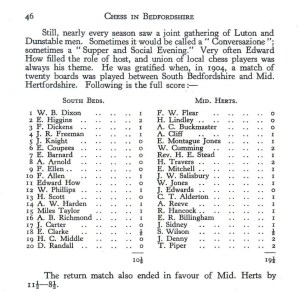
The authors can be found on boards 3 & 13 respectively. Note that Duhan’s opponent, R.C Griffith was the British champion of 1912 and main author of Modern Chess Openings. Author Richard James informs me that Board 3 for Middlesex is likely to be Canadian Champion Maurice Fox who is noted for beating Fischer in classical chess and beating Capablanca and and drawing with Alekhine in simuls (all games can be found on line).
Harry was located in Bedford for at least some of his adult life, that is clear, though the details are rather sketchy. Reistien’s belief that he was born in Bedford cannot be verified at present, though I will update this page as further evidence arrives.
Lastly, and aside somewhat, a brief account of the English chess migration during the Boer War and the impact it had upon the South African chess scene can be found below in the June edition of the 1908 British Chess Magazine.
Part 3
Our clash of future champions -William Ward, the dazzling amateur
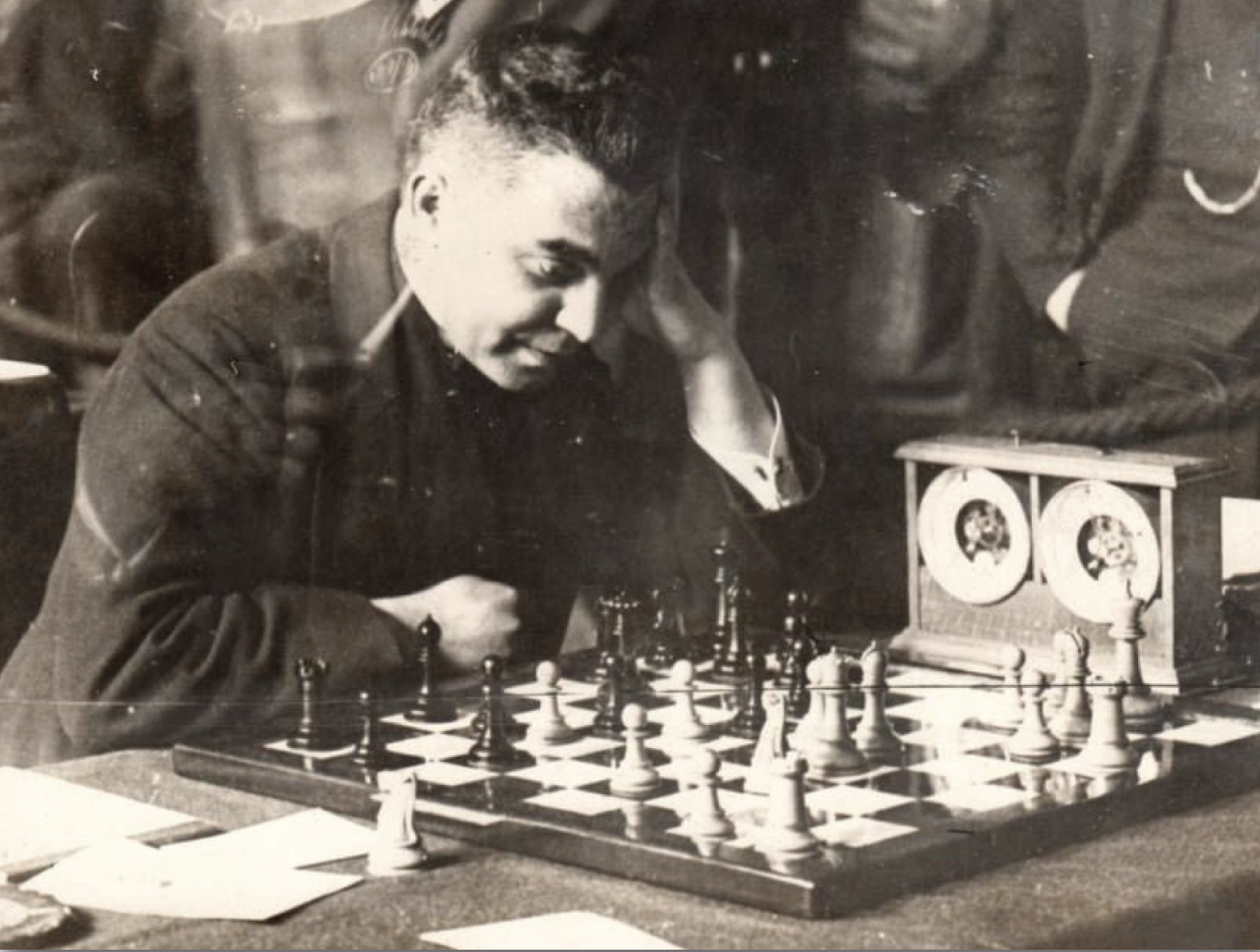
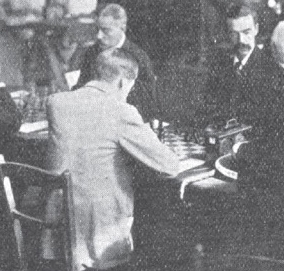
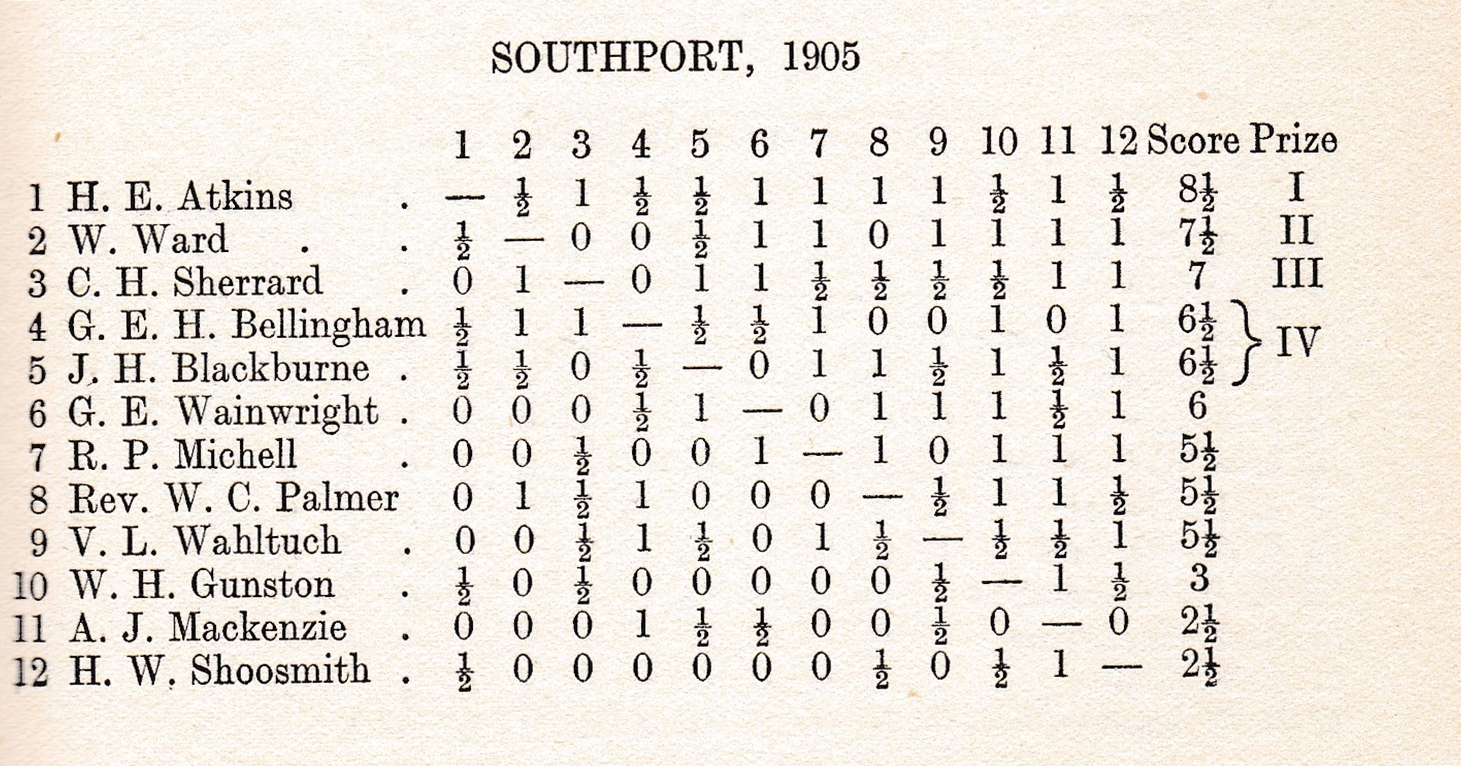
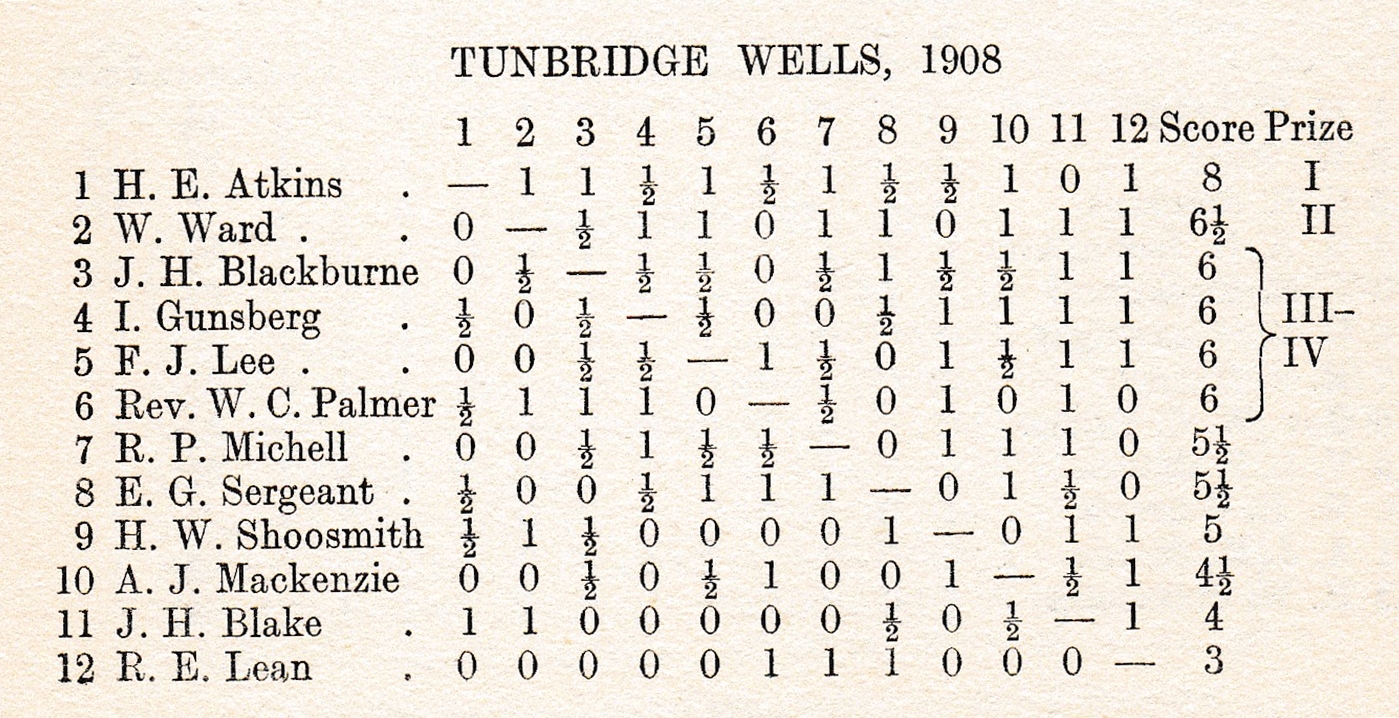
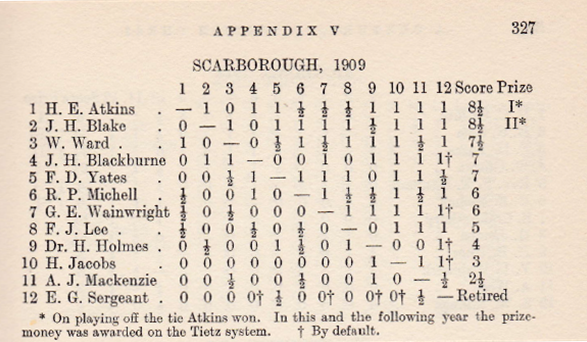
William has his back to the camera, his opponent is nemesis and former British champion H. E. Atkins.
He is always referred to as William Ward of London, since that is where he established himself over the board. In his book ‘A Century of British Chess’ P. W. Sargeant offers a description of William with the following few words:
It’s not apparent here but Sargeant, like so many others of his day, believed the epistemological value of his writing could be determined by its moral tone, hence the higher the tone, the more correct he was.
Sticking to ‘the facts’, further details from Sargeant can be found here:
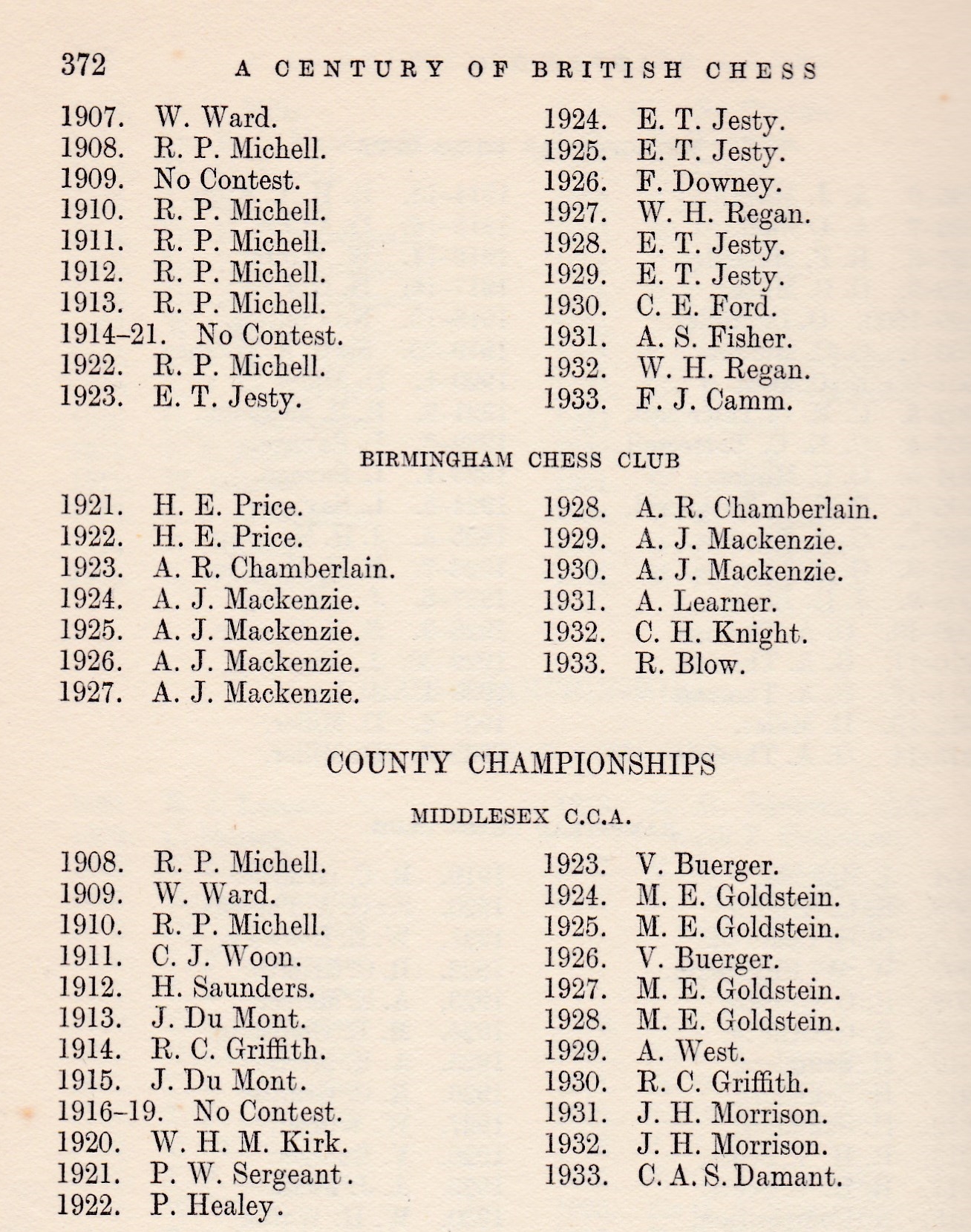
William Ward also became champion of West London Chess Club, one of the stronger London clubs but certainly not the strongest.
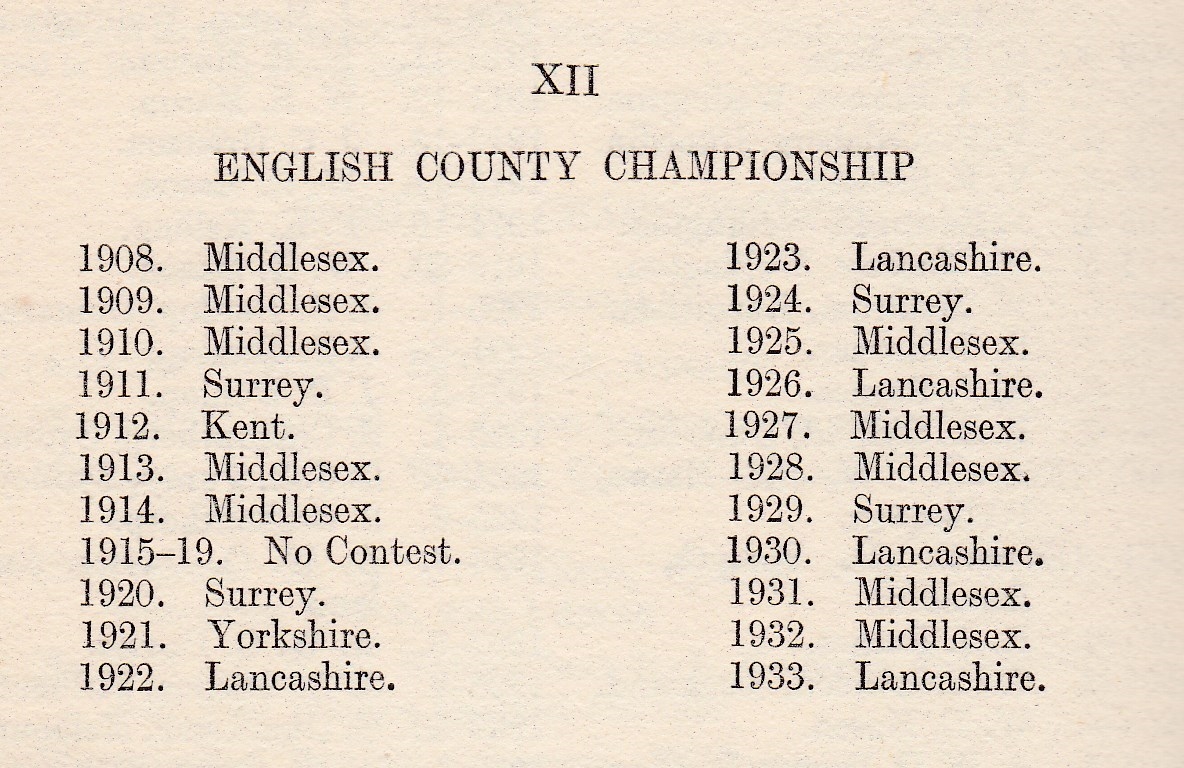
Courtesy of his activities in London, William also became champion of his adopted county Middlesex in 1908, who were the strongest county in England at the time.
Lastly, William was also the author of the much maligned ‘Laws of Chess’ booklet of 1912, http://www.chesshistory.com/winter/extra/laws.html. Note that the description of how to move the knight is rather confusing.
William Ward the Londoner Lutonian
Historical accounts purport to be verbal models, or icons, of specific segments of the historical process. But such models are needed because the documentary record does not figure forth an unambiguous image of the structure of events attested in them. In order to figure out ‘what really happened’ in the past, therefore, the historian must first prefigure as a possible object of knowledge the whole set of events reported in the documents. This prefigurative act is poetic insomuch as it is precognitive and precritical in the economy of the historian’s own consciousness. It is also poetic insofar as it is constitutive of the structure what will subsequently be imaged in the verbal model offered by the historian as a representation or explanation of ‘what really happened’ in the past. But it is constitutive of the concepts he will use to identify the objectsthat inhabit that domain and to characterize the kind of relationships they can sustain with one another. In the poetic act which precedes the formal analysis of the field, the historian both creates his object of analysis and predetermines the modality of the conceptual strategies he will use to explain it.
Hayden White, Metahistory pg. 30, John Hopkins University Press 2014 Ed
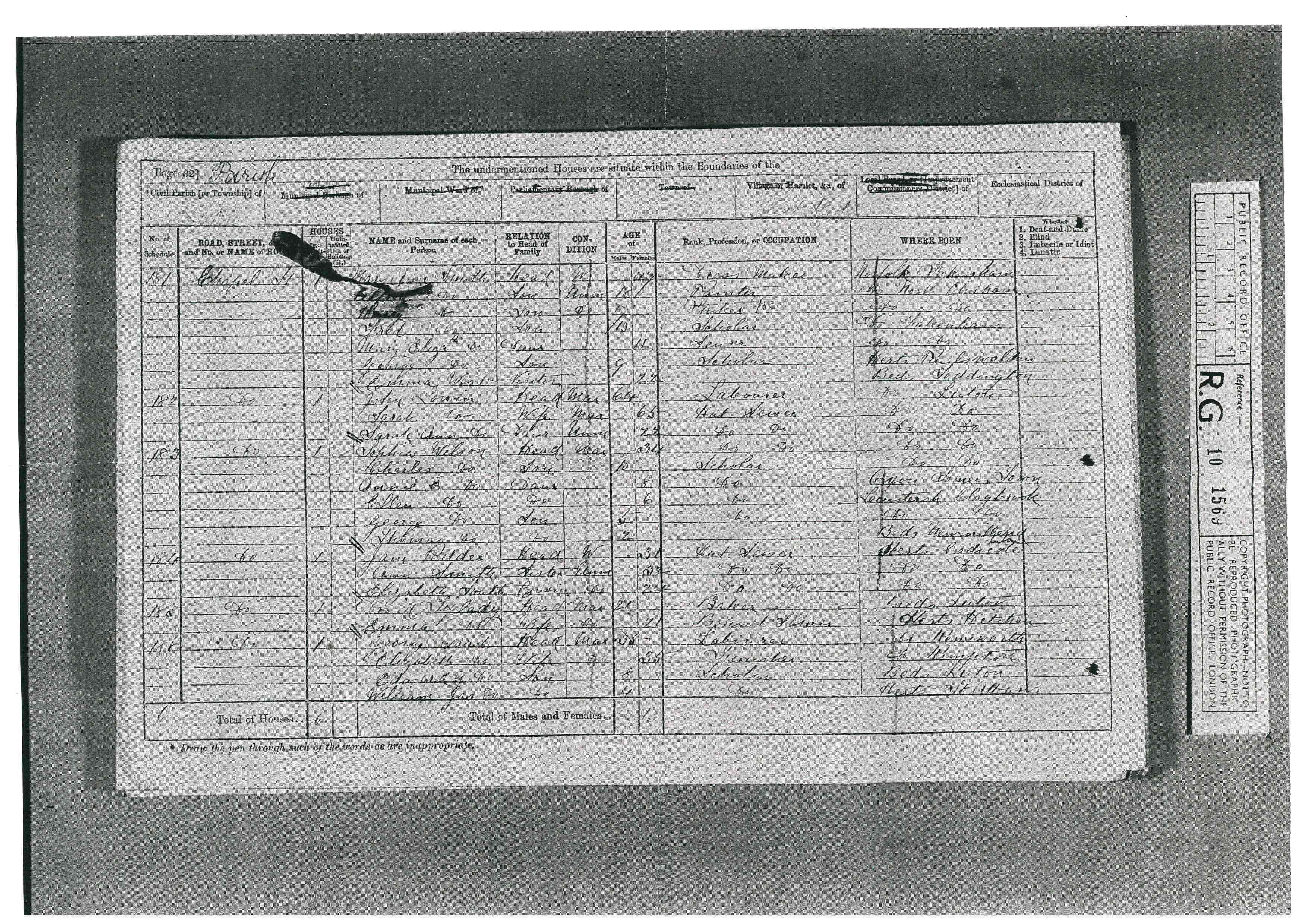
William Ward was not a Londoner he was a Lutonian; not that he was born in Luton but St. Albans -well most probably. His birth date is typically given as March 3rd 1867, which means that he would be 4 years old if found on the 1871 census. Here is a William James (I’m assuming that’s James and not Jas) Ward aged 4 in the census for Luton.
A W. Ward can be found at the very bottom of the page. Is he our man? Note point four in the final column!
The entrance to Chapel St. Where William lived as a child before moving to London.
William would have lived about 300 meters up on the left.
In the census above his father is stated as G. Ward. Is this the same G. Ward in the following excerpt?
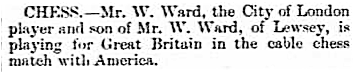
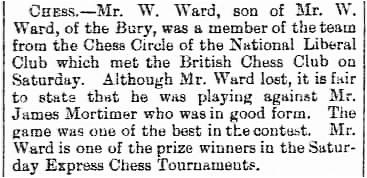
If so, was William taught to play chess by his father? To have beaten F. Dickens (co-author of Chess in Bedfordshire) twice he must have been strong himself, this would partially explain William’s strength if his father had taught him. As mentioned previously, at some point in his life William Ward left Luton and became William Ward of London: further evidence of this can be seen in the connection he retained with his home town, which on occasion was reported locally.
This excerpt tells us that F. Dickens certainly knew W .Ward. It is highly likely, then, that G. L. White did too.
‘The Bury’ is what the present suburb of Bury Park, Luton was formally known as.
Lewsey is a suburb of Luton
That’s February 11th 1897 in case its not clear.
Given that William’s connection to Luton was reported a number of times, that he appears in Chess in Bedfordshire, and that his name can be correlated with his stated year of birth on the census above; the evidence that he grew up in Luton is convincing if not compelling, but whether his father was G. Ward or W. Ward remains unresolved for now. Since it was reported several times over that William’s father was W. Ward, you would expect a correction to have been made at some point, is it possible that the census contains a clerical error? It is also unclear why no mention of a middle name exists anywhere, perhaps William never gave it to the few who wrote about him? Should anyone like to add input here, they are welcome.
William Ward is documented playing once only for his childhood home. In what capacity did he play, as a ‘hired gun’ to shoot down our professional soldier from Bedford or as a last minute addition after an unannounced visit? We don’t know. It is lamentable that our partners in crime co-authors Dickens & White wrote nothing about him.
A third case arises! A mysterious cameo by a Leighton Buzzard transgressor!
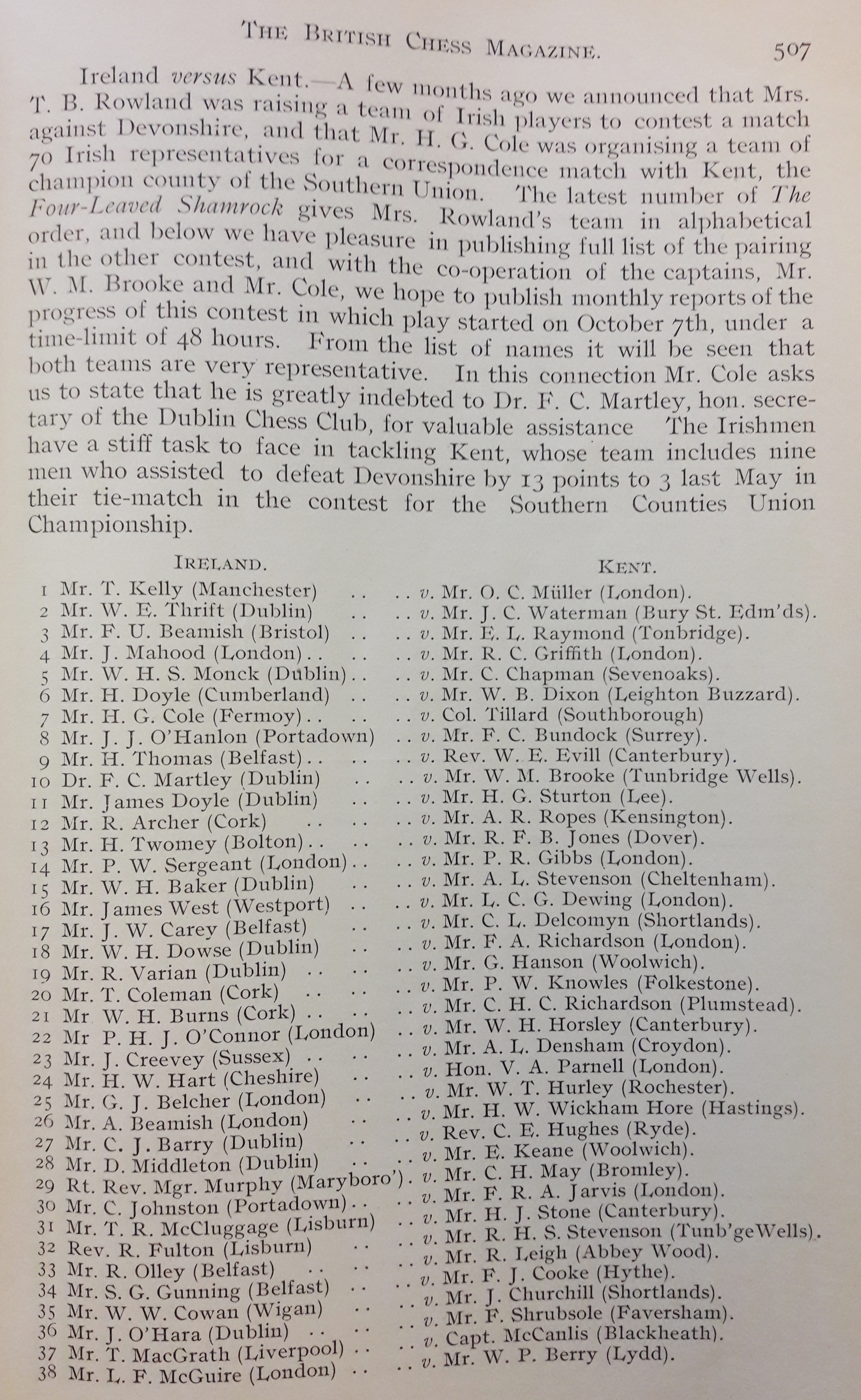
W. B. Dixon of Leighton Buzzard was one of the strongest Bedfordshire players of his day, and with the exception of the following appearance, also receives no mention whatsoever in Chess in Bedfordshire.
His exploits in the London league and Kent’s more prestigious matches fell beyond the parameters of the book, his strength as a player undocumented in the games section where more loyal Bedfordshire players such as Anderssen, Kieseritsky, Alekhine, Samisch, Blackburne and Bogoljubow can be found! His reasons for playing Chess -not- in Bedfordshire unwritten.
Note that Dixon plays for Kent on board 6 of a very strong team. Given the match was played in 1907, it is a unified Ireland that plays Kent.
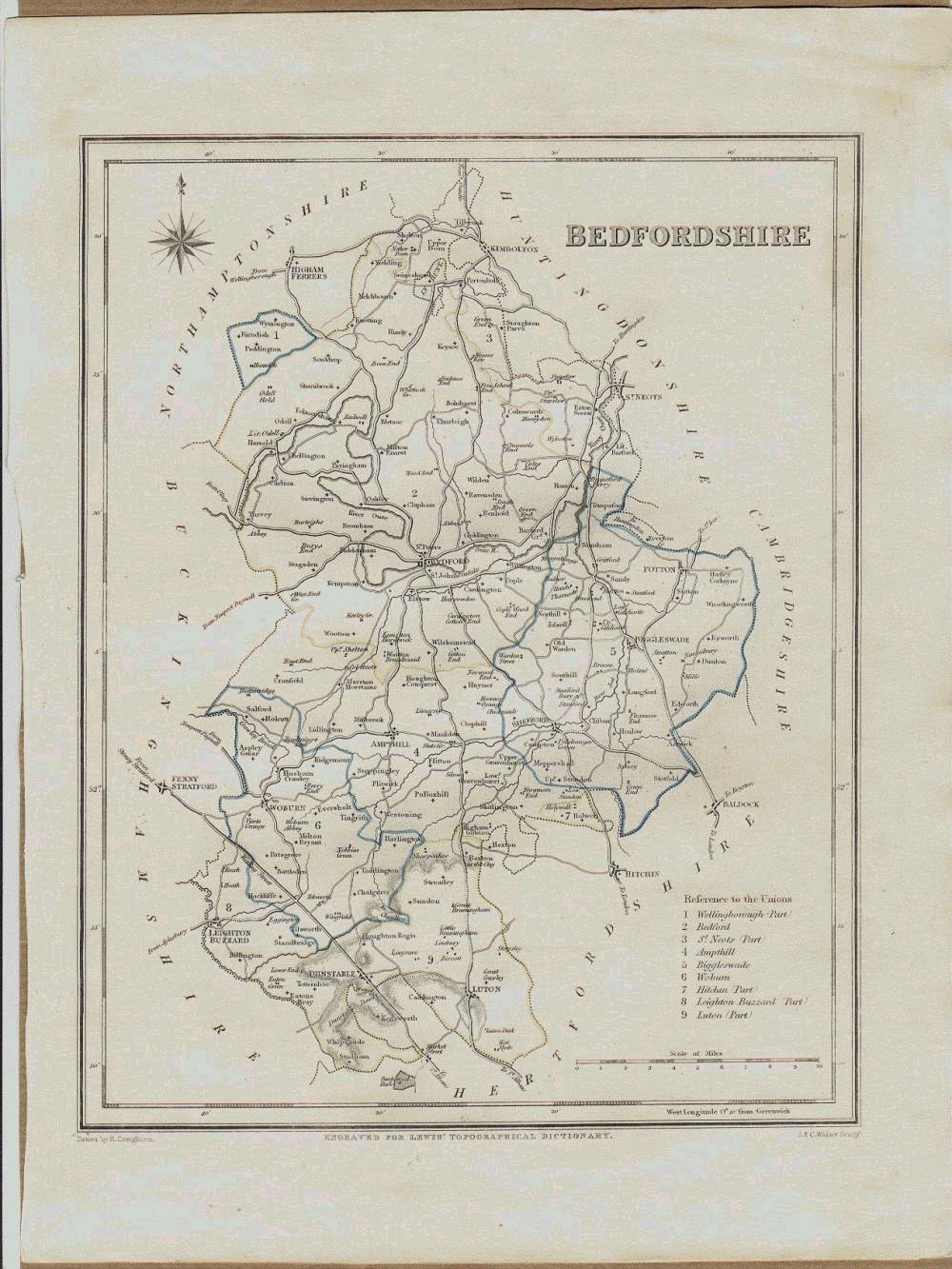
Creighton 1860
Part 4
The dimly lit view of our past
Perhaps we are now at a postmodern moment where we can forget history completely.
Keith Jenkins, ‘ “After” History’, Rethinking History 3, 1999, pg. 7
The type of history Kensworth schoolmaster F. Dickens had in mind was ubiquitous in the chess literature of his day, which the Preface Foreword tells us he did read, and harks back to a model of history that emerged from antiquity with countless imitators since:
fearless, incorruptible, free, a friend of free expression and the truth, intent, as the comic poet says, on calling a fig a fig and a trough a trough, giving nothing to hatred or to friendship, sparring no one, showing neither pity nor shame nor obsequiousness, an impartial judge, well disposed to all men up to the point of not giving one side more than its due, in his books a stranger a man without a country, independent, subject to no sovereign, not reckoning what this or that man will think, but stating the facts’
Lucian of Samosata (c. AD 125-200), quoted by D. R. Kelley (ed.), Versions of History, New Haven and London, Yale University Press, 1991, p. 66.
Such ‘idealized history’ which aims towards objectivity and absolute impartiality, notions long since vigorously rejected in our postmodern world, actually put Dickens in a position of pre-critical constraint where elements of the past, such as the successes of Bedfordshire’s strongest players were unusable, narrowing his historical consciousness, and so too that of his readership.
Conversely, in rural areas where no noted players existed in clubs too small to challenge those more established, again nothing was written about them. The Foreword tells us that Dickens wanted to ‘produce a work which might serve to foster the pursuit of the royal game throughout the county’ yet the impression the text gives us is that chess was not played beyond Luton, Dunstable and Bedford when in fact chess in Bedfordshire was more widespread then than it is today. And with Bedfordshire being such a small county, it is quite unlikely that he knew nothing of its less established clubs.
Part 5
The lost endgame
The ideas of the ruling class are in every epoch the ruling ideas: i.e the class which is the material force of society, is at the same time its ruling intellectual force. The class which has the means of material production at its disposal, has control at the same time over the means of mental production, so that thereby, generally speaking, the ideas of those who lack the means of mental production are subject to it.
Marx and Engels, The German Ideology, quoted by A. Giddins, The Class Structure of the Advanced Societies, London, Hutchinson, 1981 p.29
The completion of Chess in Bedfordshire was requested by the eminent members of the Luton & Dunstable chess scene in the interwar years, who wanted to read a history of their club (s) and to a lesser degree the rest of the county. It were they and their preceding generation who put Luton firmly on the map in the southern counties, whereafter successive world champions visited our proud county to perform simuls as well as a number of high profile players, a trend which the likes of Sweby and Cox continued after WW2. The ingratiating G. L. White gave his limited audience what they wanted and left us with an account of chess in Bedfordshire which could have been broader and better had he abandoned F. Dickens’s instructions. The critical mistake G. L. White made, which suggests he was not well-suited to the task at hand, was that he failed to see Chess in Bedfordshire as his own, that he was free to write as he wished and begin anew if he felt it necessary.
Is unexamined history worth doing as Professor Southgate asks? I don’t know. Is a dimly lit view of our past better than one dark and undocumented? Those bright stars who left our county and went on to become champions of our great capital and of a vast commonwealth nation could have inspired our fellow county players no end with their various accolades for their Chess -not- in Bedfordshire. Even when our clash of future champions occurred in Bedford, only a few lines were given before the result was recorded alongside so many others of much less significance. Will we ever find their games and learn what they thought of one another? I think not. Although G. L. White offered morsels of ‘Credit where it was due’, he could have and should have done much more as the finishing author. A great opportunity has been lost.
History should include the lives of great men and women, and the lessons to be learnt therefrom.
National Curriculum 1922, Board of Education, Statutory Rules and Orders 1922, No. 1433 (HMSO, 1923)
I am grateful to Gerard Killoran (for the games), Desmond Rooplal and Keith Rust for their assistance concerning Major Duhan’s time in South Africa.
…on what this site initially became…on what this site is now becoming…on what this site cannot become…
On what this site initially became…
…once upon a time, the chess-related musings of an adrift academic were bound playfully and electronically in this online journal of sorts. They grew and grew as the decade did too. I kept on because I love to write whether I had much to say or not; therefore, being read by others was usually of little or no importance, comparatively speaking. Content was based on personal thoughts and experience on various topics with no intended audience borne in mind. With topics broadening, my own take on things always shaped the narrative I constructed: I often thought I was insightful but never that I was right. Sometimes imagination gave rise to originality: and of that I have always remained proud. I often introduced humour, believing that I am funnier than I really am. Sometimes, I found my own style antithetical to the conservatism I believe chess is plagued by -oftentimes that has put a gracious smile on my face… .
On what this site is now becoming…
…this site is now becoming a collaboration of chess in Bedfordshire: much more so of the past than the present -that has become the dominant trend. I document the history of chess in Bedfordshire as much as I can, and as time has passed I have become more thorough and resourceful. However, I am not a trained historian as my background lies principally in philosophy but yes it is true I did study some modules on history as both an undergraduate and a post-graduate too; furthermore, I have trained myself up, particularly in terms of postmodern history. Since 2015, I have only read history and historiography as well as those philosophers who have been so influential on postmodern history, such as Nietzsche (whom I once wrote a 19,000 word dissertation on, entitled: Can the Will to Power be Found in The Birth of Tragedy?), also Richard Rorty and Foucault and I suppose certain structualists such as Claude Levi-Strauss too. Regarding postmodernism, mostly I keep to Hayden White, Keith Jenkins and Alan Muslow.
Some friends and former playing partners back home describe me as the ‘go to guy’ for the history of chess in Bedfordshire. This compliment says more about the lack of interest in the subject than my own endeavour. As mentioned, I am too adrift from academia to feel chuffed by it. Rather, I tend to lament that my historical research, like my chess, just isn’t what it should be. Even though I may well have a broad understanding of Bedfordshire chess history courtesy of the volume of research put into it, all of which began in 2014, this is not something I am particularly proud of. Nonetheless, out of courtesy compliments are graciously received. If the truth be told, I just see it as my job and only that – after all someone’s got to do it and no one else is that interested!
Amongst the many others, I have created three categories: ‘Bedfordshire Chess’ and ‘History of Bedfordshire Chess’ and ‘Luton Chess Club’. This website is slowly moving towards a consolidation of those (all of which can be found in one of the toolbars to the right).
On what this site cannot become…
…I like to be both creative and amusing when I can be, factor in that playfulness has been an ever-present factor, the content of this site should be thought of as multifarious. It could be said I continue to enjoy undermining the conservatism I believe chess is underpinned by even after all these years, and often try to use humour to do it still, believing I have got better at it. Consequently, despite the general direction its going in, this site cannot only be about Chess in Bedfordshire and nor will it be. It may become noted for that yes -in fact that’s been the case for years already even by established historians, archivists, and whoever else. External factors aside, this site is titled McCreadyandChess. I cannot, nor will I not, remove my own personal thoughts and experiences of chess from the posts of this site -especially if I think they are funny or original for they constitute my writing at its very, very best. In addition, the number of categories alone tells you that breadth of content is important to me. I am proud of my site, it is identity conferring and that is how it shall stay -end of story. All you really have are: ‘Some thoughts on the beautiful game’, which, incidentally, just happen to be my very own; nothing more, nothing less, take of it whatever you please… .
A side note on how to read old Tom Sweby's columns
Not perhaps, but quintessentially, Old Tom Sweby is best thought of as a passionate devotee to the newspapers he wrote for. He was well read and knowledgeable of the Bedfordshire chess scene and well beyond, given that he was the president of the S.C.C.U. once upon a time. He was generally well-respected and rubbed shoulders with many, if not all, of those eminent within British chess circles. It would, however, be a critical mistake to see his column is primary source material entirely. That it is not. You will also find secondary source material quoted too, and the reliability of that is not quite as Tom hoped. Given that he wrote for decades, this is to some degree inevitable, and after all we are all prone to error whether we realize it or not. Thankfully, with regards to old Tom Sweby, they are infrequent and for the most part old Tom continued to document events and developments in the Bedfordshire league from the get go as best he could but, of course, everything lies open to interpretation. Despite this, and generally speaking. this does indeed make him informative and thus worth reading. Dare I say his columns constitute a narrative describing the latest developments, match reports and changing nature of the Beds league...he knew his audience and wrote according. This manifested itself over decades but brevity was always in play courtesy of the restictions imposed by writing a column. Should you wish to read a in instrumental figure of the Beds' league post WW2, you are quite welcome to peruse what has been posted here... . :-) I should, however, point out that as the decades wore on he gradually moved on away from narratives concerning the Bedfordshire league towards affairs both historical and international. The reasons for this are multifarous, old age was a predominante factor presumably, however, the bottom line is with regards to how the Bedfordshire chess scene developed post WW2: old Tom Sweby is your go to guy. He wrote more about chess in Bedforshire than anyone else did but given he was a Lutonian and writing for a Luton newspaper there is both bias and greater coverage of his hometown than the rest of the county.
Gallery
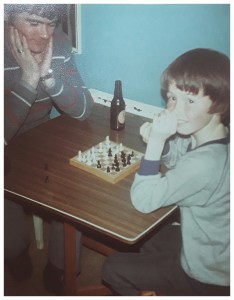
I’m either 10 or 11 here
1982, myself versus Brian from Sunderland.
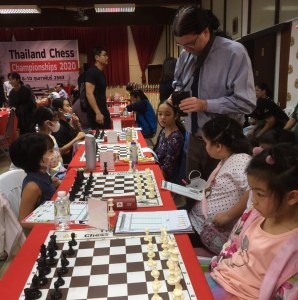
At the Thai Junior chess championships. My daughter of course.
Pattaya 2011
2011
Thai Junior Championships
2008
2011
Around 2011
2011
Pattaya 2009
2011
Kuwait 2008
2012
2012
2011 BKK Chess club
2011
2011 Thai Open
2011 Thai Open
2013 approx
Around 2014
2010
2012
Around 2011
2011
2011
2013
Around 2011
Around 2011
2020
2011
2008
2011
2013 or thereabouts
2010
2017
2014?
2010
2024
2024
2024
To add comments, please see the bell at the top of the page.