The question ‘Who is the most famous chess player in the world?’ isn’t as easily answered as you might think. The most obvious, or perhaps immediate, reply is to state the world champion as the answer. However, in the modern game this just is not true. We all know that the previous world champion Magnus Carlsen is more well known, well in the western world at least. But as has been stating during commentary in the GRENKE classic that times have changed.
The creator of Gotham Chess, Levy Rosman, has a following on youtube into the millions and of also a very popular streamer. Also the Botez Sisters are more widely known. Jan Gustafsson was quick to point out that Andrea has moved into boxing and has just DJ-ed an event in Berlin thus has branched out. In the modern game, the internet is the main medium for chess and also the greatest source of revenue. So there you have it, its no longer the case that becoming the world champion makes you the most famous chess player in town… .
…history as a constantly moving process, with the historian moving within it…
E. G. Carr – What is history? p. 153
Within the chess world, to compare players of different generations and eras is treated with suspicion, thus deemed inadvisable and ill-judged. This is not the time nor the place to delve into the very great many reasons why. It is not my intention to do so here, however, I do wish to draw attention to the point that the tendency to evaluate players purely in terms of their rating and title can be broadened oh-so-slightly.
I have recently posted regarding the strongest players to have played chess within Bedfordshire, on a number of occasions, and thought that it may be of interest to readers who are more interested in their world rankings, with questions such as ‘Who across time achieved the highest world ranking ever?’. Generally, I am reluctant go down this path for a number of reasons, primarily because I believe narrative should remain synchronic, however, I have done it anyway. I have added sufficient information so that mistakes regarding interpretation cannot be made so easily.
Number 1 – William Ward
Recorded playing in Bedfordshire 1896.
Highest ever world ranking 56 *Classified as unofficial as FIDE did not exist then (historically estimated).
Recorded playing in Bedfordshire 73-80 (approx.) (untitled until 1981)
Highest ever world ranking 100
Year 1985
Rating 2495
So there you have it, if you want to know who played in Bedfordshire and gained the highest ever world ranking, now you know.
The craving for an interpretation of history is so deep-rooted that, unless we have a constructive outlook over the past, we are drawn either to mysticism or to cynicism.
F. Powicke, Modern Historians and the Study of History (1955) p. 174
I am a number -imagine how tough it is for an aficionado of the British TV Show The Prisoner to say something so outrageous? I can barely believe it. Confused?
Arguably the best British 60s TV Show.
Iron Maiden wrote a song about it too, it’s one of their better songs but by no means their best:
Not their only song on The Prisoner.
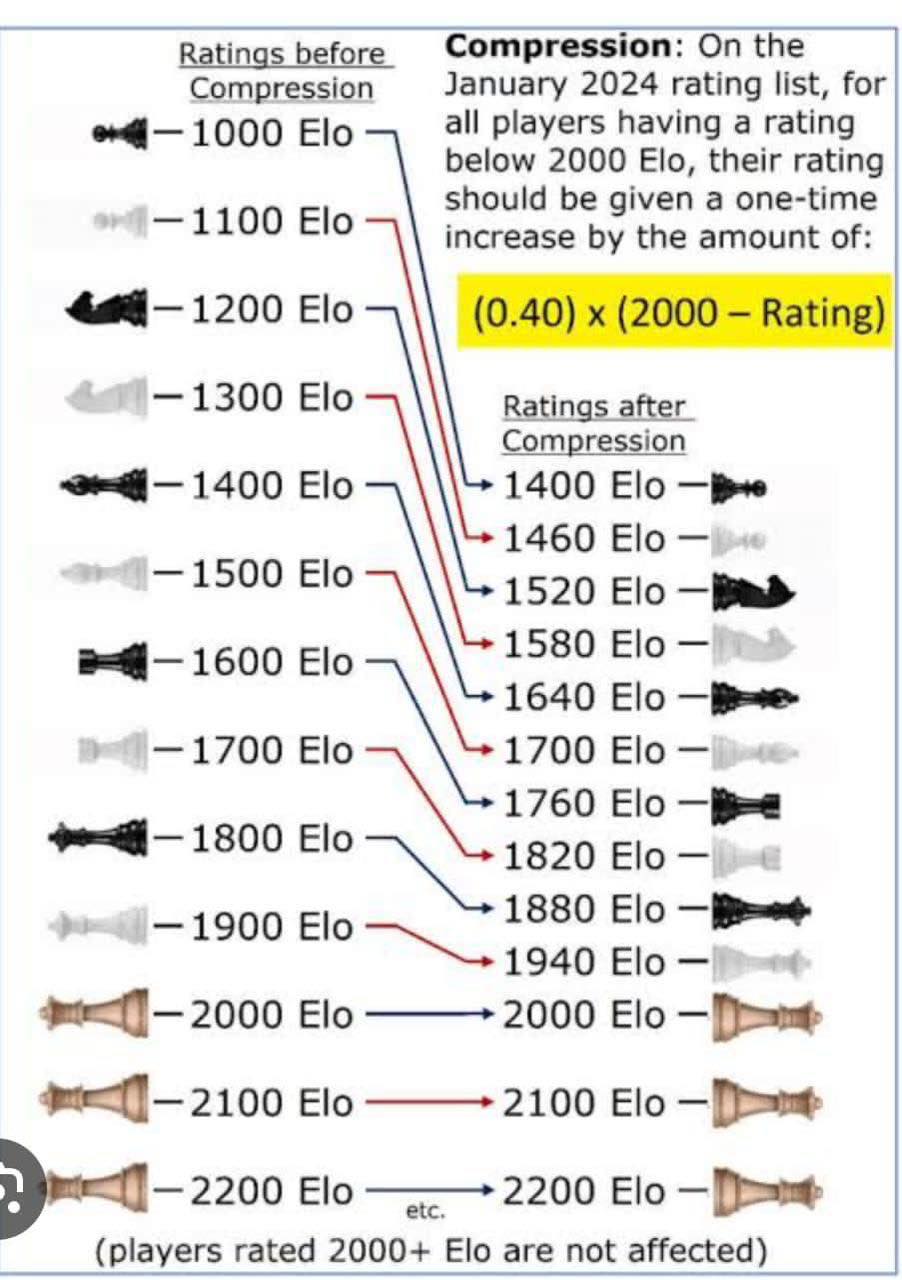
As you may, or may not, know FIDE went and readjusted the ratings for all those below ELO 2000 earlier this month. Somehow mine went up 87 points even though my last rated games were in April 2016. How did this happen and why? Put very simply: FIDE doesn’t like to play dominoes as much as it does watch chess. But do they like Domino’s Pizza?
I’m quite a bit better than my rating suggests. I very rarely play and am always rusty in tournaments, and that’s all I have.
First and foremost, if you’ve been playing chess for some time then you have may already conceded that, generally speaking, either there is much room for improvement with regards to FIDE, or perhaps they are not to be trusted as their history of getting things wrong is vast and stretches back in time way before we were born, given that context is always essential. This millennium alone, they have introduced new formulas and calculation methods, fought off inflation and deflation too, so one more adjustment is of no real significance if you are able to think outside of the box, as it were.
What do numbers tell you anyway? Why does it matter so much if they go up or down? As a Philosophy undergrad, I took great interest in being informed that mathematics is a meta-language since numbers don’t actually represent anything at all. What does the number 6 represent by itself? Six what? Does your rating represent your ability on any given day? Does it really? Doubtful, and highly so, since it changes all the time, sometimes without you even doing anything. There are so many external factors regarding performance over the board too, such as; currentform, on/off days, mood, sleep deprivation, enthusiasm, age, desire, familiarity of opponent, to name but a few, and like I said FIDE who gave you your rating, does have a propensity to make a mess of things. Don’t believe me? Need an example? You might find this as revealing as it is entertaining. The intro alone refers to a rather scandalous ‘rating grab’ as GM Seirawan put it. Go to 50m 26s if you want to see how ratings can be shaped by politics within chess.
Damning stuff.
So why did my rating suddenly jump without me doing anything then? Long ago, I wouldn’t have been entitled to a rating since I am below ELO 2200. Then, as part of a drive to get more people playing they lowered it to ELO 2000. The policy then became to keep on lowering the bar to the point where players with ratings of ELO 1000 appear. They gain a rating almost instantly, not like before where you had to reach a set number of games before you were given one, one draw alone being sufficient. This has backfired and triggered deflation. This year FIDE decided an ELO rating of 1000 is too low, let’s move it back to 1400. Because they had noticed deflation has set in and everyone is losing points, since now you get someone with a rating of 1100 miraculously appear but his playing strength is more like 1500, partly because they changed the calculation formula some years back also. All this has had a domino effect, and FIDE does not like dominoes it would seem. Now we get 1500 players who are in fact more like 1800 players, I can confirm I have personally experienced this also and wondered how on earth my opponent -rated 1424- could play so well. So ratings are being pulled downwards because when you lose to those with a low rating you lose a lot of points. It’s had a knock on effect and FIDE doesn’t like dominoes Domino’s pizza.
Not FIDE’s favourite game.
Which town in England was the first to have Domino’s Pizza in 1985?
To counter this FIDE decided earlier this month that anyone rated under ELO 2000, such as myself, will get a boost…yes they like to play with figures. It could be said that people get worse at chess as they get older anyway, so most ratings will drop in time. Is this nothing more than some half-arsed PR stunt to make people feel better about their chess? Unlikely if viewed in context, its more likely efficacious than it is meretricious because the latest changes to ratings bear the hallmarks of an effort to cover up their mistakes standardize because they went and changed the formula back to how it was in the mid 2010s, to make them -the ratings- more fair and more representative of playing ability, which is FIDE’s way of admitting they made mistakes.
All this is important because chess players care about their ratings far too much. FIDE likes to objectify things and so we have ratings and titles. However, even titles are not as clear cut as people like to think and subject to all sorts of myth making. Since I am English, I grew up being told the first ever English Grandmaster was Tony Miles but this simply isn’t true. It was the problemist/composer Commins Mansfield who was first awarded the title in 721. So you are a Grand master are you? Okay, well perhaps you’d like to tell us what type of Grandmaster? Problemist? Correspondence? Classical chess? 80’s rap artist?
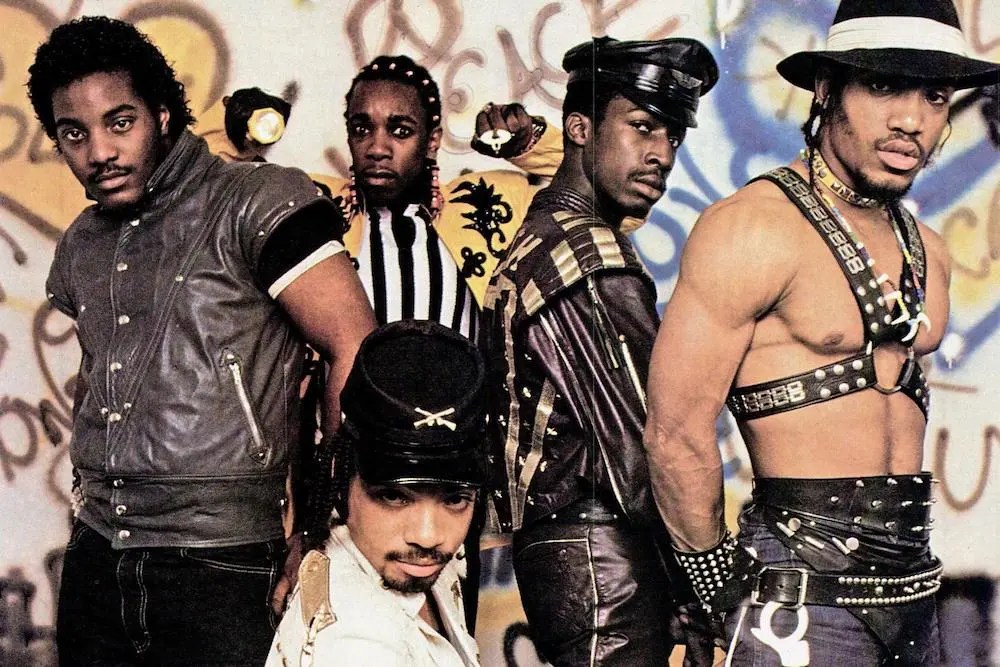
Grandmaster Flash and the furious five – pretty decent act.
Socrates was once told by the oracle of Delphi ‘know thyself’. Was he ever reliant on a number or title ever being given to him do you think? Unfortunately chess players do have a tendency to define themselves by their rating or title, hence the reason why they are significant even though they are epiphenomenal. If to be trusted, they can be seen as a good indicator of strength yes but quintessentially epiphenomenal to what lies within…well that’s my take on it anyway.
What am I now I wonder?
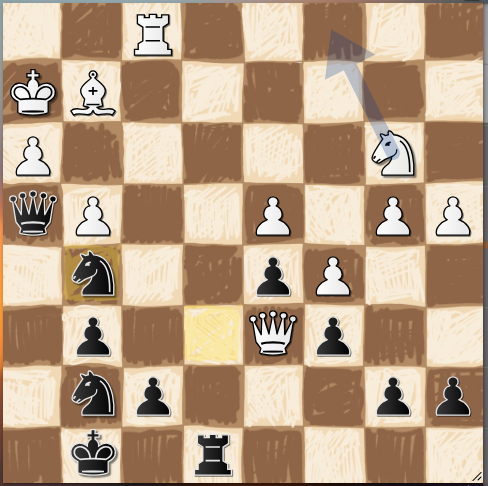
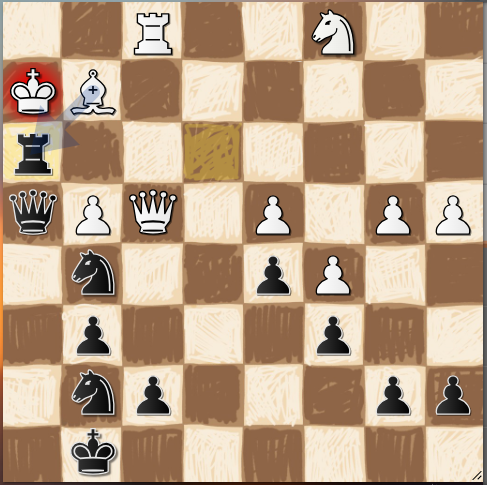
Here’s a puzzle I struggled with, what’s my level then? White to play and win in 4.
‘I’m not a number, I’m a man’. Or so says Homer Simpson in his parody of The Prisoner and its big balloons! The episode in the thumbnail is Many Happy Returns.
Patrick McGoohan, star of The Prisoner, was a chess lover and one of the episodes is about chess, it is called ‘Checkmate’.
This is a very average episode.
To conclude, I am a number (technically two numbers as I have an ECF and a FIDE rating and they are different) but not a free man as I am a father and my daughter comes first…ah well, could be worse. Not sure I’ll make a tv series out of it… .
To prepare for a visit to Bangkok Chess Club and a FIDE rated Rapid tournament next weekend, and then a 9-round classical chess tournament the week after in the countryside, I have begun to ready myself…to prepare.
I’ve tidied up my opening repertoire already and begun reading Rowson once more. I’ve also noted down what my weaknesses are and how to work on them. I’ve begun playing 10 minute games as well, to implement what I have learnt from Rowson and what I have taught myself. You can find selected games below, which I hope illustrate the size of the task ahead and help raise my awareness of what needs to be done.
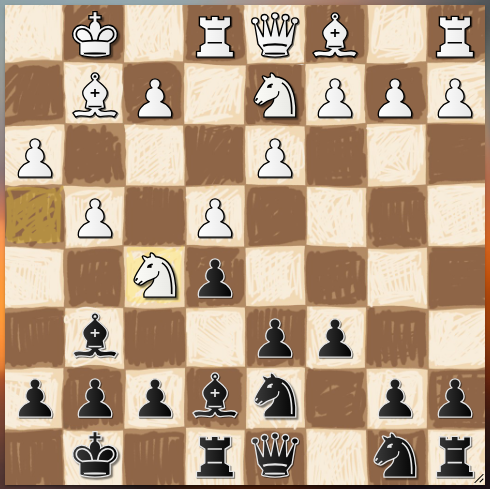
I decided to look at an early career victory by GM Plaskett over GM Speelman. And although the position below looks rather promising, I don’t see how Stockfish evaluates it so. I wouldn’t even call it winning…just promising.
GM Rowson’s first published book was The 7 Deadly Chess Sins. It gained attention at all levels and sold well. I have added points he italicized through the book, there is food for thought here.
…all thought has some emotional content…
…when you realize that thinking means so many different things, your ability to understand your own thoughts is significantly enhanced…
….indeed, it seems that what chess want is not just to improve their intuition but to become more intuitive…
…’The master doesn’t calculate more than the expert. Rather, he sees more, especially the important things.’ Adrian De Groot…
…the stronger the player, the more abstract the visual image…
…your thoughts always have emotional content…
…all chess thinking is evaluation…
…there is definitely some sort of pre-intellectual awareness in your chess thoughts…
…rules are a wonderful servant but a terrible master…
…in chess the golden rule is there are no golden rules…
…confusion is caused by the non-existence of a concrete answer to the questions of a position…
…if a move strikes you as correct, it needn’t require an explanation…
…it is very difficult, if not impossible, to give any clear definition of what a key moment, or critical position, actually is…
…the main thing is to have a way to gauge the changing nature of a chess game, how it ebbs and flows…
…so another way to become more sensitive towards key moments is to be aware of the centrality of transformation in chess…
…what matters is not space but capacity…
…we need calculation to help us make the necessary transformations but more important is our judgement about which transformations are necessary…
…there maybe some positions where one side is better and worse, depending on whether you look at the position at hand or the direction of the game…
…you need to assess not only the position as it stands but the position as it has changed and how it is likely to continue to change…
…with improved ‘trend sensitivity’ and ‘position sensitivity’ you are much more likely to spot ‘gateway positions’, which are the turning points between one trend and the next…
…the best way to get a big advantage is to play for a small advantage…
…you often only see what you want to see…
…it’s a mistake to ever think you are winning…
…it is extremely difficult for most players to separate the general from the specific…
…there are more exceptions than rules when it comes to the value of the pieces…
It’s seven and a half years since I last played competitive chess and my-oh-my do I miss it. So much so how wonderful was it to learn that slap-bang in the middle of next month’s break lies a chess tournament just up the road from where I will be based. Load on in I did – now 2650 Baht (£58) poorer as a result cheap at half the price!
Still with some seventeen days to go, what were those early considerations?
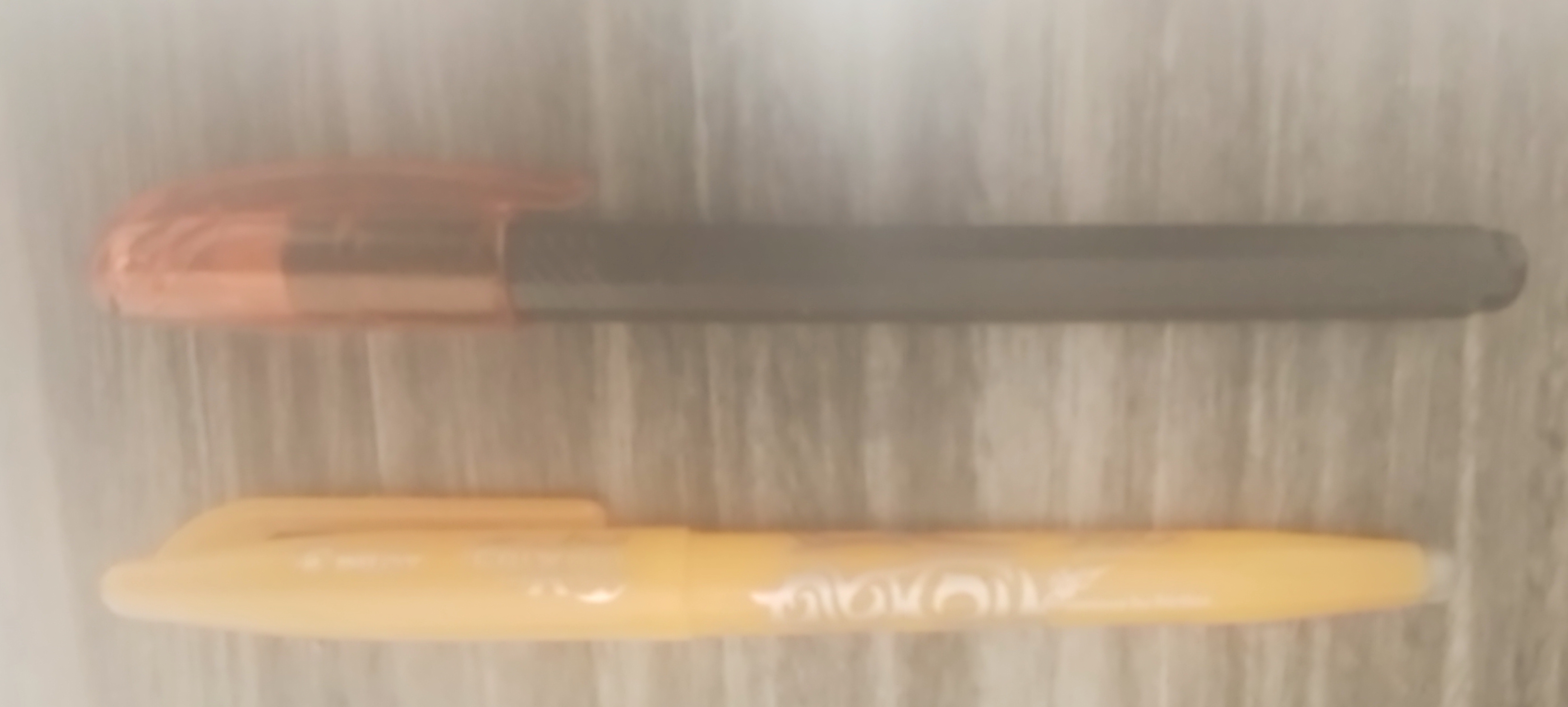
First, which pen to use? The two chosen are both orange inked -here they are.
The black one is better, it writes in orange and is smoother, the other is back up.
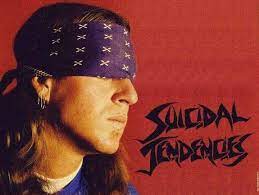
Second was headwear. I have worn many hats playing chess over the years and bandanas too, inspired by Mike Muir the singer of Suicidal Tendencies, a band I went to see on October 14th, 1990 and March 6th. 1993.
I have three bandanas; one white and one black (these I always wore to metal concerts), and one multi-coloured (this I wore in Kyoto Japan a lot), and so I thought I would give them a wash and get them ready.
I’m leaving them in there to soak overnight -bandanas in the wash!
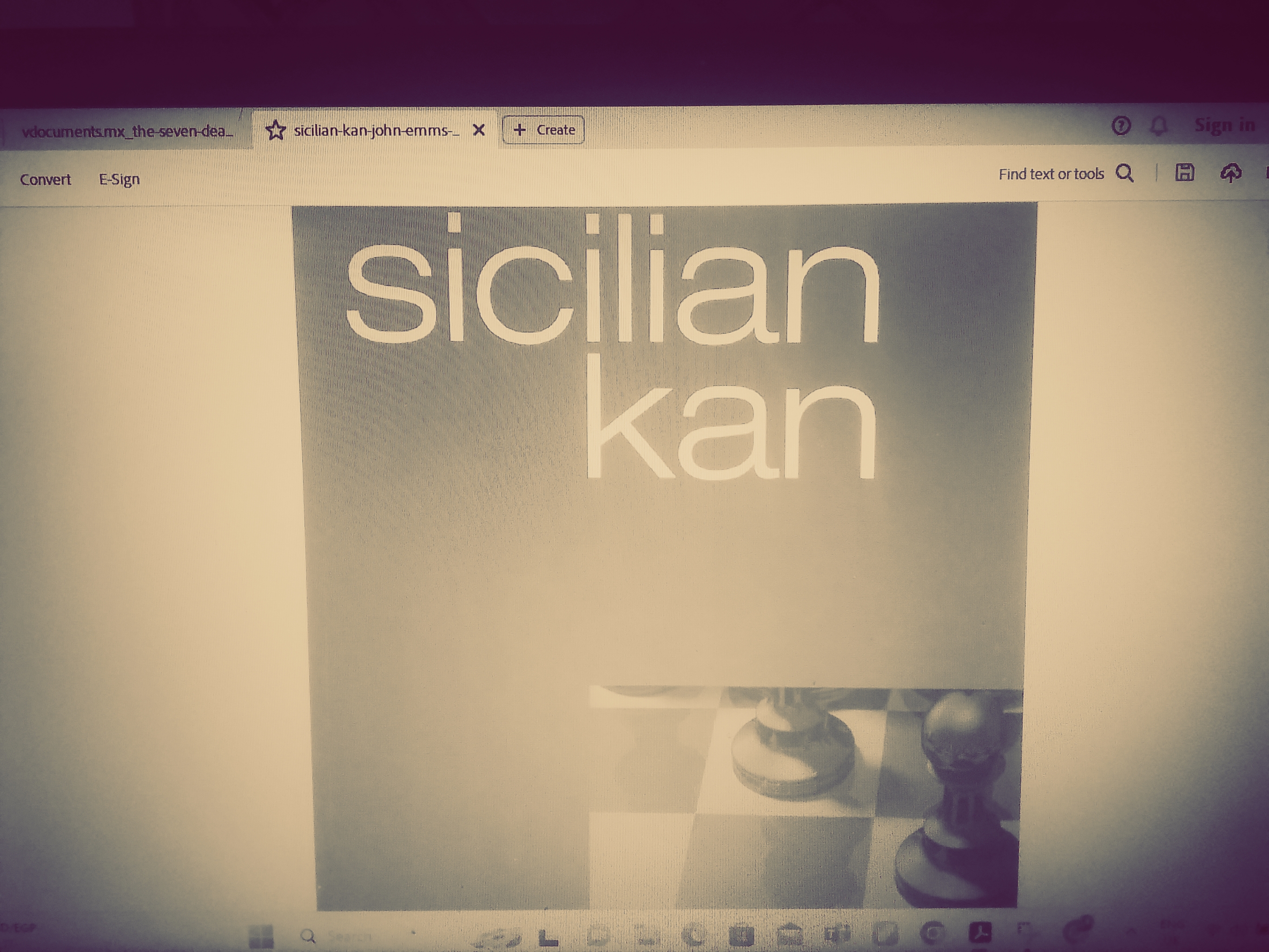
Third was, refresh and tidy up my opening repertoire. I looked into the Breyer against the Caro-Kann and am on board with that. The other change is to revert back to the Sicilian Kan from the Taimanov. I don’t like this early Nb5 stuff in that, which FM Gayson played against me recently, and I also don’t like it when white captures on c6. So the Kan, again, it is.
Preferable since I think you bring your queen’s knight out too early in the Taimanov.
The remaining considerations are what food and drink to bring to the hotel, whether to arrive on the day or the day before, and what to do in the half-day we have (ATV Tour looks most likely).
I am reading Rowson’s T7DCS, and analyzing chess positions deeply, that’s enough for now.
The province it is being held in Nakhon Nayok, just north-east of Bangkok. It is shaded light green and if you look in the top right corner you will see a blue dot. That is a lake and next to it is a white dot, that’s where the tournament hotel is (see below).
One of the benefits chess gives us is it teaches us the importance of learning from our mistakes. Entering a tournament rusty is something I have done before quite a few times and do not wish to repeat. And so… .
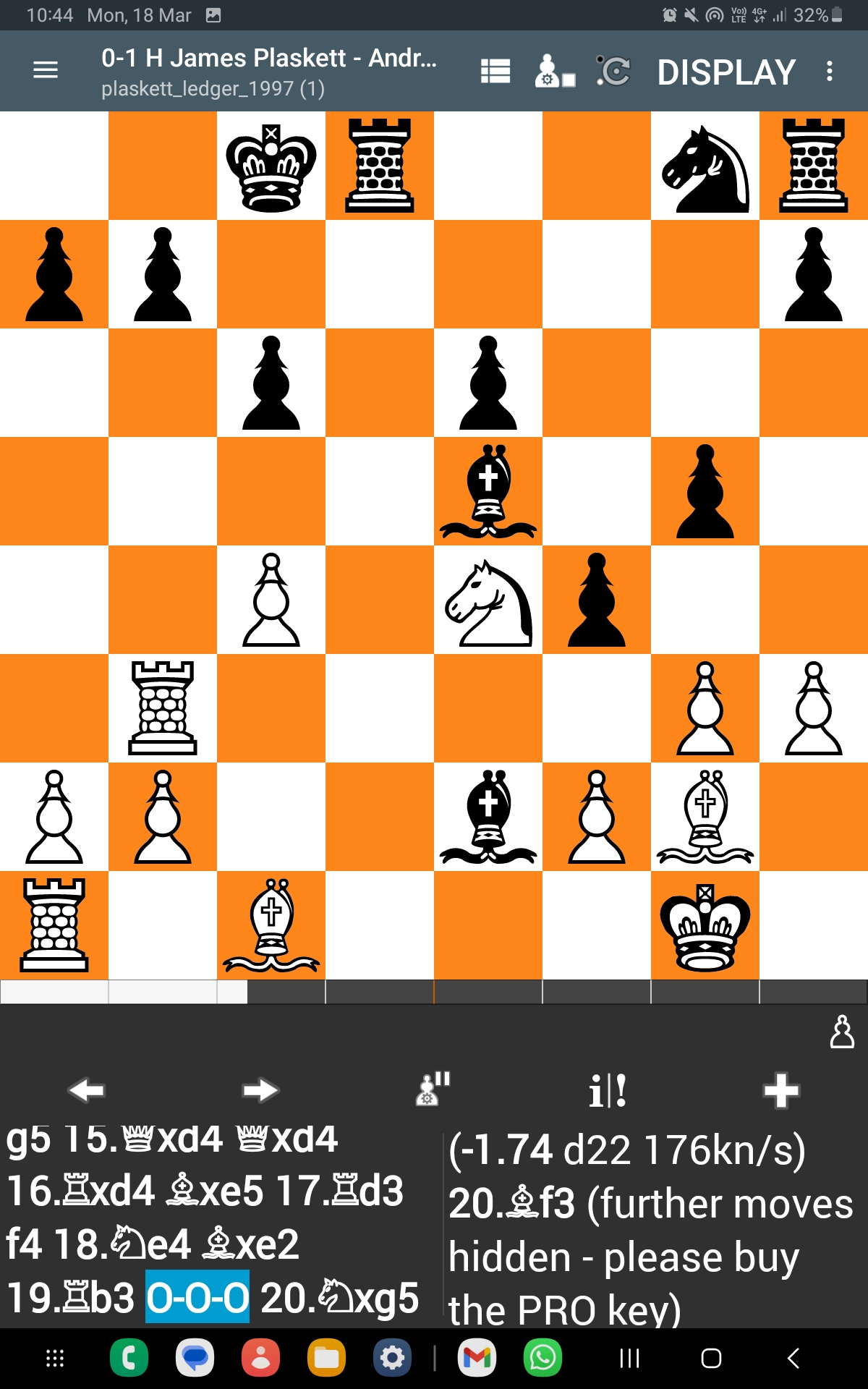
Forth was putting a PGN viewer (Chess PGN Master) and Engine (Stockfish 15.1) on my Samsung Tablet, so that I have better access to analysis, where I may choose to store my games. Because the interface is customizable, after looking and playing around I settled on the aforementioned.
My LTFC look 🙂
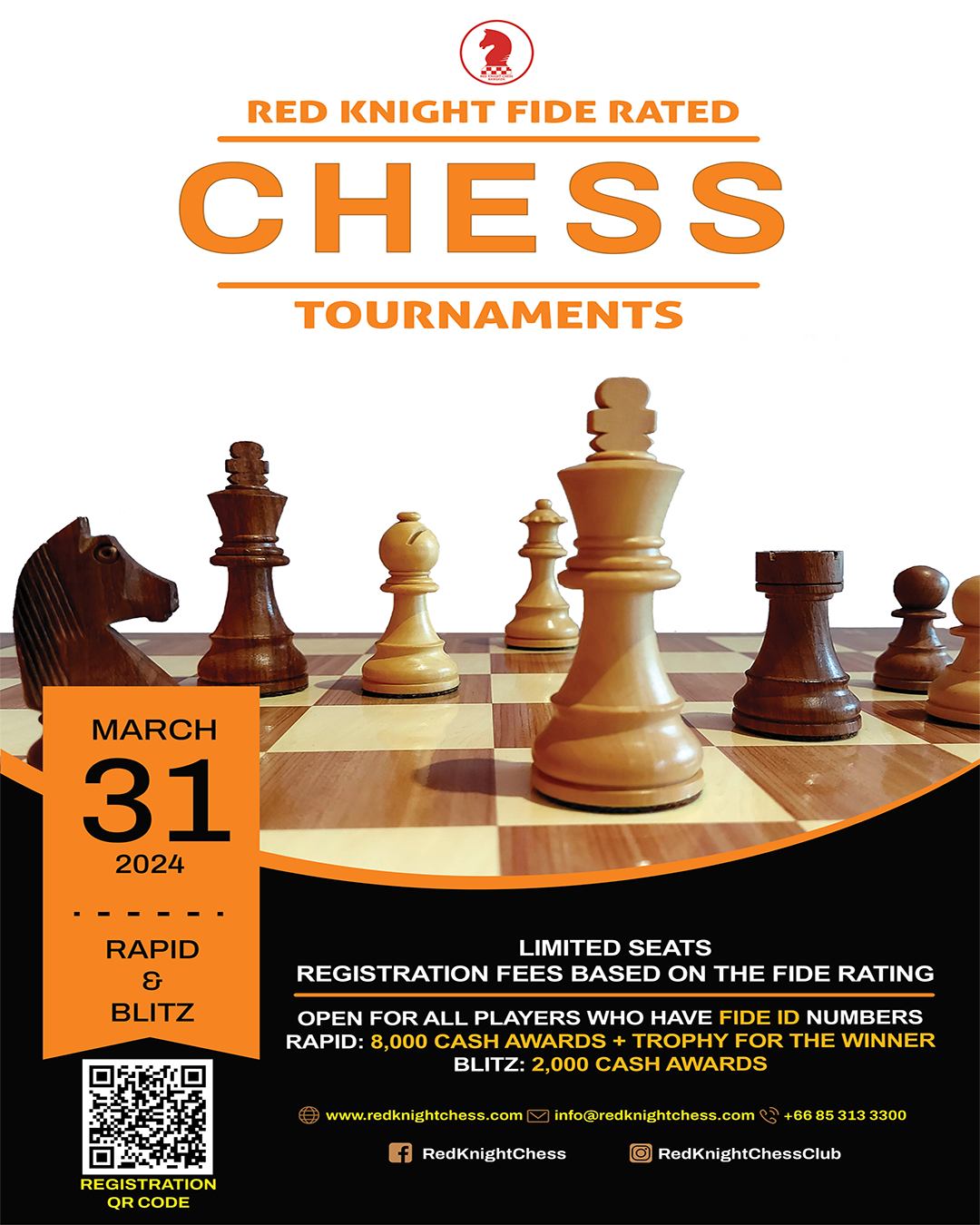
Fifth was entering a Rapid tournament the weekend before.
It is a necessity to bring chess back into my life and reacquaint with that presently not within my reach. The following question is what comes next?
As it stands: March 29th Bangkok Chess Club visit
March 31st FIDE Rated Rapid Tournament
April 5th-9th CAD Nakhon Nayok International Open
Sixth consideration is how much cider is consumed throughout? A tough question indeed.
The strongest Bedford based player ever is without doubt GM James Plaskett -let’s call him number 1.
The second strongest Bedford based player ever is without doubt IM Andrew Ledger -let’s call him number 2.
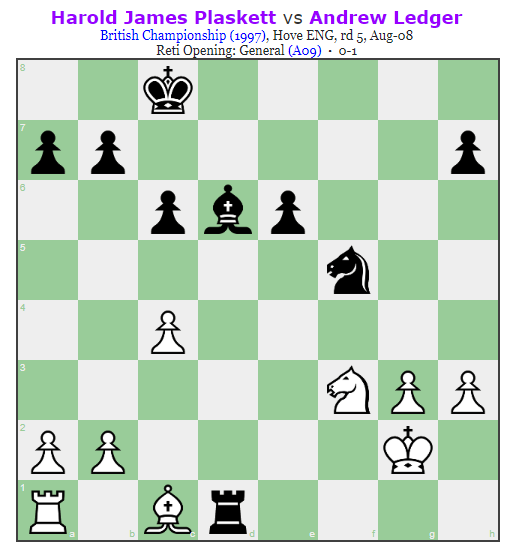
Despite being a generation apart, they’ve met over the board more than a few times over the years with our number 1 obtaining noticeably better results. However, on this occasion 1 our number 2 defeated our number 1.
Black has just played 27. … Nf5, which will win him the game shortly.
“The advantage of a bad memory is that one enjoys several times the same good things for the first time.”
F. Nietzsche
One day in the distant future, the times we live in will most likely be described historically as part of the 4th revolution, or the digital revolution, which shapes how we gain and store information, amongst many other things.
Even me the academic that once was, concedes we do things differently now to when I was young. Through social media and ‘chat’ I have acquired knowledge which in itself can be placed into a narrative for further discourse on the history of Bedfordshire chess -something very close to my heart.
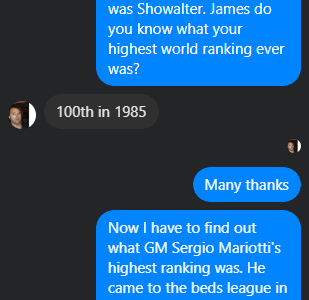
My very own research has revealed that Dennis Victor Mardle was the first from Bedfordshire to represent England but was he the only one to do so? I contacted GM James Plaskett on facebook, this is what I sent via Messenger.
The reply James gave me was as follows:
CIR Benedict, 1979
Telex match Vs Iceland, 1981
Lucerne World Team Championship, 1985
GM Plaskett was, then, the second from Bedfordshire to represent his country, however, there is a difference. Dennis, the first, played for England in England in a national match once only whereas James, the second, represented England abroad in an international tournament, helping England to achieve the Bronze medal 1 upon his third appearance. With certainty we can say that GM Plaskett’s representation of his country is, therefore, of greater significance for our purposes. His games are documented, notably his victories for England can be found here 2 and here 3, and the tournament as a whole here 4.
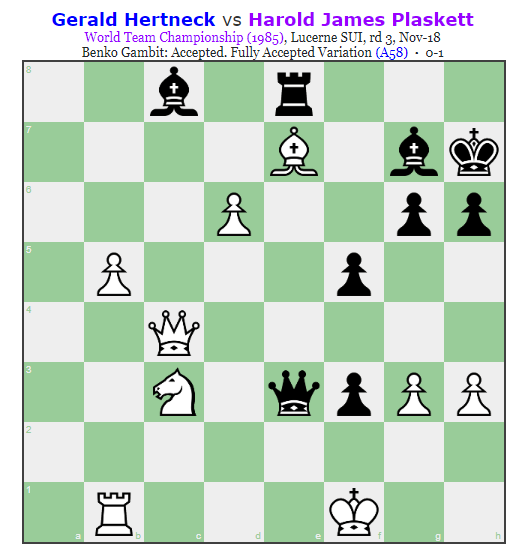
Interestingly, James won both games with the Benko Gambit, the games are quite interesting.
Round 1. After 28. … Nd3.
Round 3. After 27. … Qe3.
Should this not be enough to persuade you of my claims, I shall add also that as a senior, GM Plaskett went on to represent England 6 more times!
Dresden 3 times
Rhodes 1 time
Vilnius 1 time
Crete 1 time
Unfortunately, locating game information is proving tricky. I shall add when I find it… .
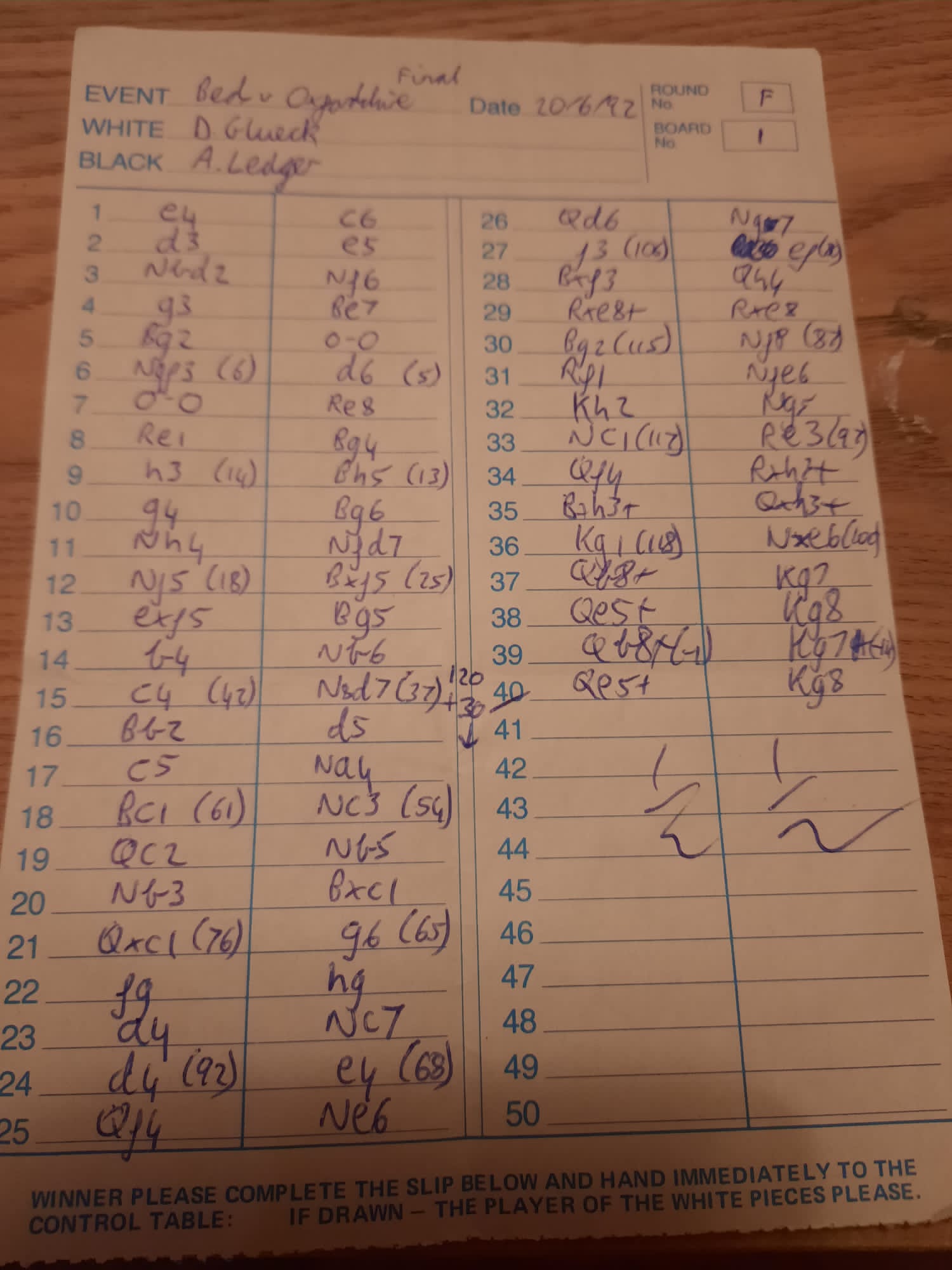
When the county first team won the minor section of the national county championships on June 20th 1992, IM Andy Ledger was on board 1 for our county. Courtesy of former team mate and county captain Kevin Williamson, I have procured his game as well as information concerning his opponent. The source can be found here 1, the scoresheet is below, it’s quite an interesting game.
Let’s have a brief overview of a few positions:
We have the Breyer variation with e5 (not the main response).
After 7. …Re8, not your average Caro-Kann position.
Here Andy plays 12. ….Bxf5. There’s no immediate threat since the position is closed but definitely understandable as who would want that Knight to sit there on f5?
18. … Nc3. This lone attacker isn’t likely to win the game but is, perhaps, eyeing up d4 after being shunted from b6.
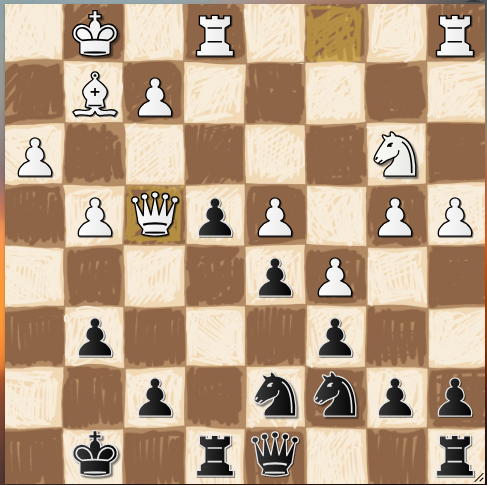
Andy plays 28. … Qh4. I’ve run it through the engines, which assess the position as -2.2, and yes his opponent’s next two moves are computer approved.
After 32. Ng5, the LiChess engine I am using assesses the position as -3.0 and recommends 33, Nc1 (which Andy’s opponent plays)…thankfully white is about to go awry.
Lichess thinks white slipped up with 34. Qf4 and that 34. …Rxh3 secures the draw. Hey presto, a draw by perpetual check is indeed soon to follow.
…on what this site initially became…on what this site is now becoming…on what this site cannot become…
On what this site initially became…
…once upon a time, the chess-related musings of an adrift academic were bound playfully and electronically in this online journal of sorts. They grew and grew as the decade did too. I kept on because I love to write whether I had much to say or not; therefore, being read by others was usually of little or no importance, comparatively speaking. Content was based on personal thoughts and experience on various topics with no intended audience borne in mind. With topics broadening, my own take on things always shaped the narrative I constructed: I often thought I was insightful but never that I was right. Sometimes imagination gave rise to originality: and of that I have always remained proud. I often introduced humour, believing that I am funnier than I really am. Sometimes, I found my own style antithetical to the conservatism I believe chess is plagued by -oftentimes that has put a gracious smile on my face… .
On what this site is now becoming…
…this site is now becoming a collaboration of chess in Bedfordshire: much more so of the past than the present -that has become the dominant trend. I document the history of chess in Bedfordshire as much as I can, and as time has passed I have become more thorough and resourceful. However, I am not a trained historian as my background lies principally in philosophy but yes it is true I did study some modules on history as both an undergraduate and a post-graduate too; furthermore, I have trained myself up, particularly in terms of postmodern history. Since 2015, I have only read history and historiography as well as those philosophers who have been so influential on postmodern history, such as Nietzsche (whom I once wrote a 19,000 word dissertation on, entitled: Can the Will to Power be Found in The Birth of Tragedy?), also Richard Rorty and Foucault and I suppose certain structualists such as Claude Levi-Strauss too. Regarding postmodernism, mostly I keep to Hayden White, Keith Jenkins and Alan Muslow.
Some friends and former playing partners back home describe me as the ‘go to guy’ for the history of chess in Bedfordshire. This compliment says more about the lack of interest in the subject than my own endeavour. As mentioned, I am too adrift from academia to feel chuffed by it. Rather, I tend to lament that my historical research, like my chess, just isn’t what it should be. Even though I may well have a broad understanding of Bedfordshire chess history courtesy of the volume of research put into it, all of which began in 2014, this is not something I am particularly proud of. Nonetheless, out of courtesy compliments are graciously received. If the truth be told, I just see it as my job and only that – after all someone’s got to do it and no one else is that interested!
Amongst the many others, I have created three categories: ‘Bedfordshire Chess’ and ‘History of Bedfordshire Chess’ and ‘Luton Chess Club’. This website is slowly moving towards a consolidation of those (all of which can be found in one of the toolbars to the right).
On what this site cannot become…
…I like to be both creative and amusing when I can be, factor in that playfulness has been an ever-present factor, the content of this site should be thought of as multifarious. It could be said I continue to enjoy undermining the conservatism I believe chess is underpinned by even after all these years, and often try to use humour to do it still, believing I have got better at it. Consequently, despite the general direction its going in, this site cannot only be about Chess in Bedfordshire and nor will it be. It may become noted for that yes -in fact that’s been the case for years already even by established historians, archivists, and whoever else. External factors aside, this site is titled McCreadyandChess. I cannot, nor will I not, remove my own personal thoughts and experiences of chess from the posts of this site -especially if I think they are funny or original for they constitute my writing at its very, very best. In addition, the number of categories alone tells you that breadth of content is important to me. I am proud of my site, it is identity conferring and that is how it shall stay -end of story. All you really have are: ‘Some thoughts on the beautiful game’, which, incidentally, just happen to be my very own; nothing more, nothing less, take of it whatever you please… .
A side note on how to read old Tom Sweby's columns
Not perhaps, but quintessentially, Old Tom Sweby is best thought of as a passionate devotee to the newspapers he wrote for. He was well read and knowledgeable of the Bedfordshire chess scene and well beyond, given that he was the president of the S.C.C.U. once upon a time. He was generally well-respected and rubbed shoulders with many, if not all, of those eminent within British chess circles. It would, however, be a critical mistake to see his column is primary source material entirely. That it is not. You will also find secondary source material quoted too, and the reliability of that is not quite as Tom hoped. Given that he wrote for decades, this is to some degree inevitable, and after all we are all prone to error whether we realize it or not. Thankfully, with regards to old Tom Sweby, they are infrequent and for the most part old Tom continued to document events and developments in the Bedfordshire league from the get go as best he could but, of course, everything lies open to interpretation. Despite this, and generally speaking. this does indeed make him informative and thus worth reading. Dare I say his columns constitute a narrative describing the latest developments, match reports and changing nature of the Beds league...he knew his audience and wrote according. This manifested itself over decades but brevity was always in play courtesy of the restictions imposed by writing a column. Should you wish to read a in instrumental figure of the Beds' league post WW2, you are quite welcome to peruse what has been posted here... . :-) I should, however, point out that as the decades wore on he gradually moved on away from narratives concerning the Bedfordshire league towards affairs both historical and international. The reasons for this are multifarous, old age was a predominante factor presumably, however, the bottom line is with regards to how the Bedfordshire chess scene developed post WW2: old Tom Sweby is your go to guy. He wrote more about chess in Bedforshire than anyone else did but given he was a Lutonian and writing for a Luton newspaper there is both bias and greater coverage of his hometown than the rest of the county.
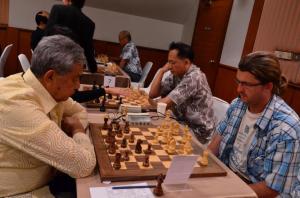
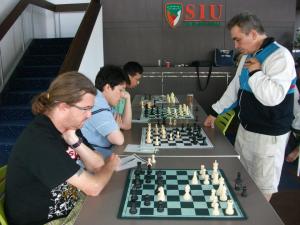
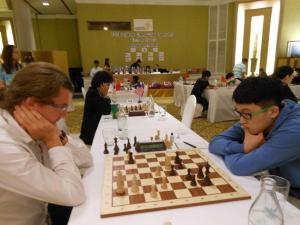
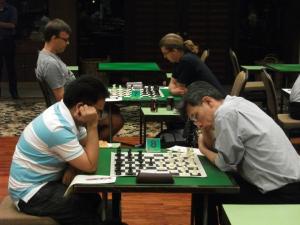
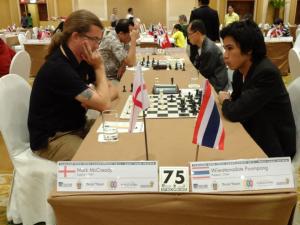
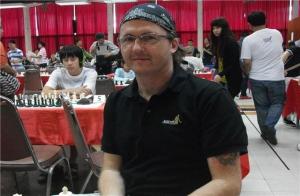
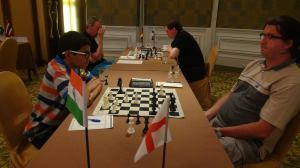
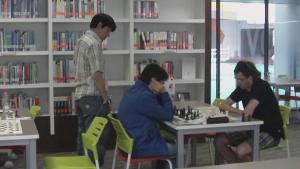
Gallery
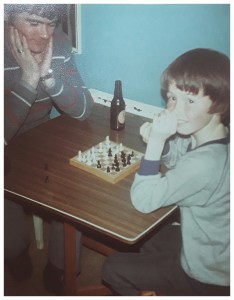
I’m either 10 or 11 here
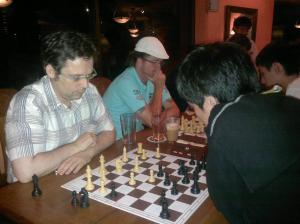
1982, myself versus Brian from Sunderland.
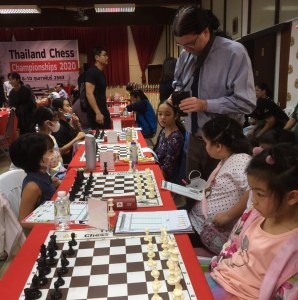
At the Thai Junior chess championships. My daughter of course.
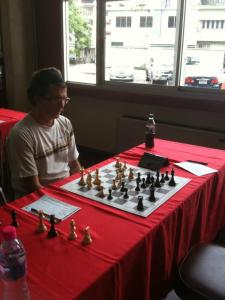
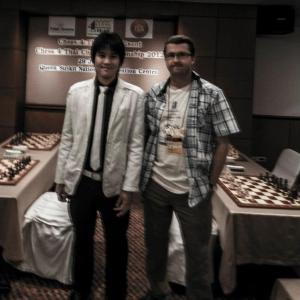
Pattaya 2011
2011
Thai Junior Championships
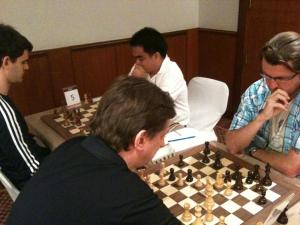
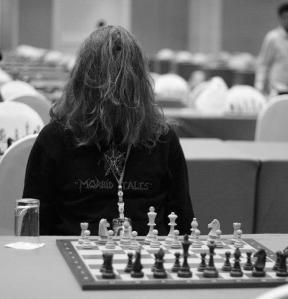
2008
2011
Around 2011
2011
Pattaya 2009
2011
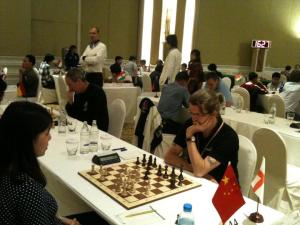
Kuwait 2008
2012
2012
2011 BKK Chess club
2011
2011 Thai Open
2011 Thai Open
2013 approx
Around 2014
2010
2012
Around 2011
2011
2011
2013
Around 2011
Around 2011
2020
2011
2008
2011
2013 or thereabouts
2010
2017
2014?
2010
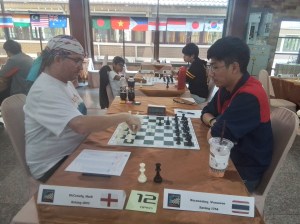
2024
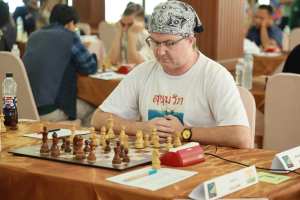
2024
2024
To add comments, please see the bell at the top of the page.






























 McCreadyandChess