I am a number -imagine how tough it is for an aficionado of the British TV Show The Prisoner to say something so outrageous? I can barely believe it. Confused?
Iron Maiden wrote a song about it too, it’s one of their better songs but by no means their best:
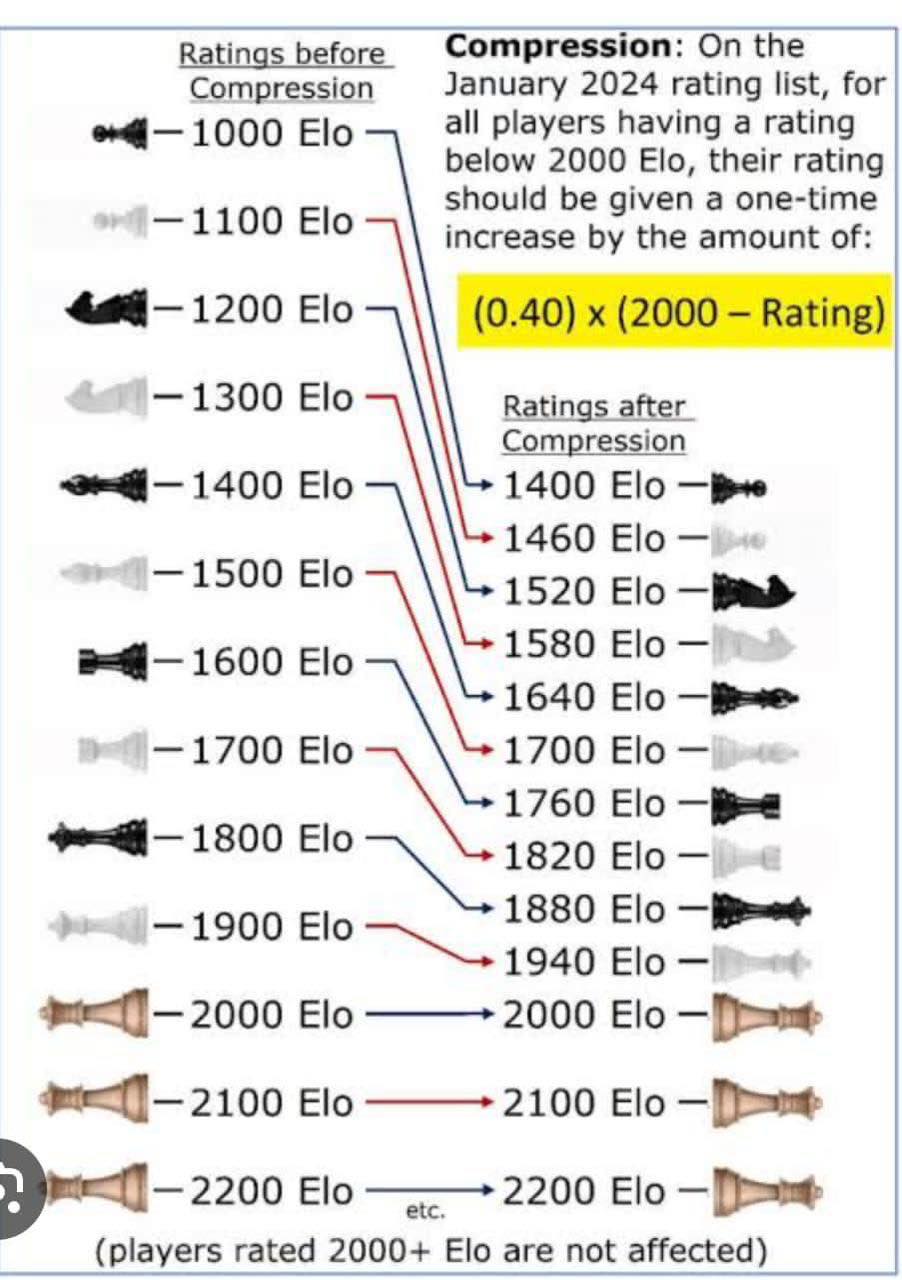
As you may, or may not, know FIDE went and readjusted the ratings for all those below ELO 2000 earlier this month. Somehow mine went up 87 points even though my last rated games were in April 2016. How did this happen and why? Put very simply: FIDE doesn’t like to play dominoes as much as it does watch chess. But do they like Domino’s Pizza?

First and foremost, if you’ve been playing chess for some time then you have may already conceded that, generally speaking, either there is much room for improvement with regards to FIDE, or perhaps they are not to be trusted as their history of getting things wrong is vast and stretches back in time way before we were born, given that context is always essential. This millennium alone, they have introduced new formulas and calculation methods, fought off inflation and deflation too, so one more adjustment is of no real significance if you are able to think outside of the box, as it were.
What do numbers tell you anyway? Why does it matter so much if they go up or down? As a Philosophy undergrad, I took great interest in being informed that mathematics is a meta-language since numbers don’t actually represent anything at all. What does the number 6 represent by itself? Six what? Does your rating represent your ability on any given day? Does it really? Doubtful, and highly so, since it changes all the time, sometimes without you even doing anything. There are so many external factors regarding performance over the board too, such as; current form, on/off days, mood, sleep deprivation, enthusiasm, age, desire, familiarity of opponent, to name but a few, and like I said FIDE who gave you your rating, does have a propensity to make a mess of things. Don’t believe me? Need an example? You might find this as revealing as it is entertaining. The intro alone refers to a rather scandalous ‘rating grab’ as GM Seirawan put it. Go to 50m 26s if you want to see how ratings can be shaped by politics within chess.
So why did my rating suddenly jump without me doing anything then? Long ago, I wouldn’t have been entitled to a rating since I am below ELO 2200. Then, as part of a drive to get more people playing they lowered it to ELO 2000. The policy then became to keep on lowering the bar to the point where players with ratings of ELO 1000 appear. They gain a rating almost instantly, not like before where you had to reach a set number of games before you were given one, one draw alone being sufficient. This has backfired and triggered deflation. This year FIDE decided an ELO rating of 1000 is too low, let’s move it back to 1400. Because they had noticed deflation has set in and everyone is losing points, since now you get someone with a rating of 1100 miraculously appear but his playing strength is more like 1500, partly because they changed the calculation formula some years back also. All this has had a domino effect, and FIDE does not like dominoes it would seem. Now we get 1500 players who are in fact more like 1800 players, I can confirm I have personally experienced this also and wondered how on earth my opponent -rated 1424- could play so well. So ratings are being pulled downwards because when you lose to those with a low rating you lose a lot of points. It’s had a knock on effect and FIDE doesn’t like dominoes Domino’s pizza.


To counter this FIDE decided earlier this month that anyone rated under ELO 2000, such as myself, will get a boost…yes they like to play with figures. It could be said that people get worse at chess as they get older anyway, so most ratings will drop in time. Is this nothing more than some half-arsed PR stunt to make people feel better about their chess? Unlikely if viewed in context, its more likely efficacious than it is meretricious because the latest changes to ratings bear the hallmarks of an effort to cover up their mistakes standardize because they went and changed the formula back to how it was in the mid 2010s, to make them -the ratings- more fair and more representative of playing ability, which is FIDE’s way of admitting they made mistakes.
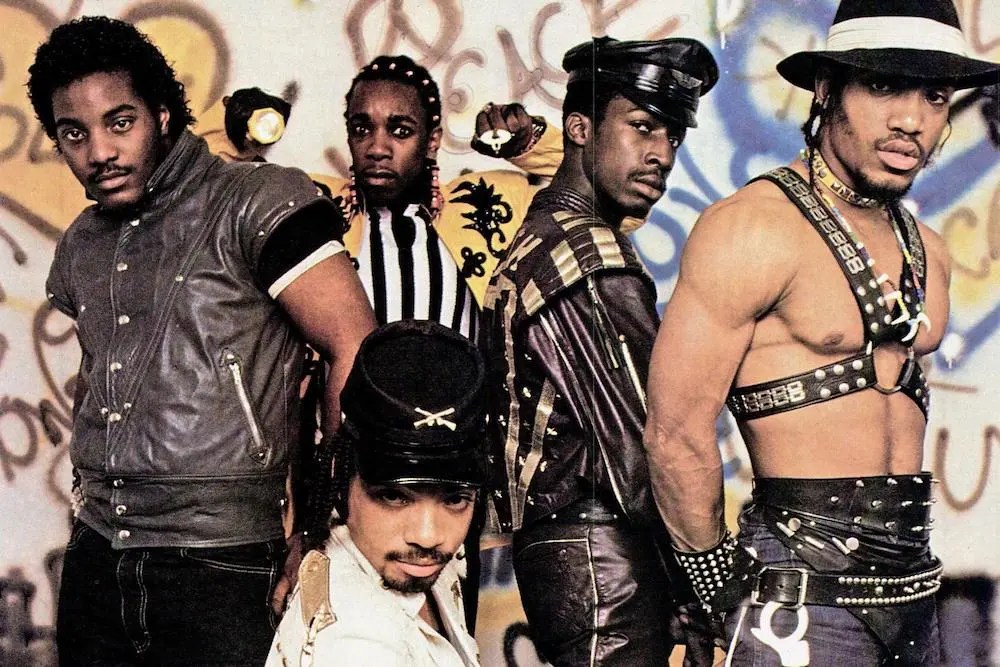
All this is important because chess players care about their ratings far too much. FIDE likes to objectify things and so we have ratings and titles. However, even titles are not as clear cut as people like to think and subject to all sorts of myth making. Since I am English, I grew up being told the first ever English Grandmaster was Tony Miles but this simply isn’t true. It was the problemist/composer Commins Mansfield who was first awarded the title in 721. So you are a Grand master are you? Okay, well perhaps you’d like to tell us what type of Grandmaster? Problemist? Correspondence? Classical chess? 80’s rap artist?
Socrates was once told by the oracle of Delphi ‘know thyself’. Was he ever reliant on a number or title ever being given to him do you think? Unfortunately chess players do have a tendency to define themselves by their rating or title, hence the reason why they are significant even though they are epiphenomenal. If to be trusted, they can be seen as a good indicator of strength yes but quintessentially epiphenomenal to what lies within…well that’s my take on it anyway.
Here’s a puzzle I struggled with, what’s my level then? White to play and win in 4.

‘I’m not a number, I’m a man’. Or so says Homer Simpson in his parody of The Prisoner and its big balloons! The episode in the thumbnail is Many Happy Returns.
Patrick McGoohan, star of The Prisoner, was a chess lover and one of the episodes is about chess, it is called ‘Checkmate’.
To conclude, I am a number (technically two numbers as I have an ECF and a FIDE rating and they are different) but not a free man as I am a father and my daughter comes first…ah well, could be worse. Not sure I’ll make a tv series out of it… .

Mark. J. McCready




















 McCreadyandChess
Leave a comment