Viewing history as a literary artefact is not a debillitating nor less a terminal complaint. Rather, recognizing the importance of narrative explanation in our lives as well as the study of the past could liberate historians as we acknowledge and try to narrate the disruptive discontinuity and chaos of the past and in the present. The desire is, in itself, a product of our own age’s preoccupation with understanding the nature of our seemingly chaotic lives. History is itself historical -its methods and concepts as well as the debates about its nature are the products of historical time periods. Alan Muslow – Deconstructing History (1997)
Those who put Bedfordshire on the map over the years:
- First, Dickens and White Chess in Bedfordshire (1933)
- Second, G.H. Diggle (1950’s onwards but sporadic)
- Third Walter Bramwell Hirst (1950’s onwards, problems appreared in The British Chess magazine and have been kept by The British problem society)
- Forth, Edward Winter (Chess notes, 90’s onwards)
- Fifth, Adrian Elwin (Archivist 2000 onwards)
- In terms of what has put Bedfordshire on the map. Inexorably, county results in the national county championships can be found in the (what was) BCF yearooks (and is now) the ECF yearbooks, all of which can be found in the British Library, should you consider them of interest…should it remain the case I have not done so and posted them on this site (more than less likely).
With regards to the digital revolution we are, happily, undergoing, a number of blogs have subsequently emerged: (most obviously this ‘un). Also:
https://www.bedfordchess.co.uk/
http://www.leightonbuzzardchess.co.uk /
But who be him that has written about our chess history the most? Moi of course.
Mark. J. McCready, Mandalay, Myanmar














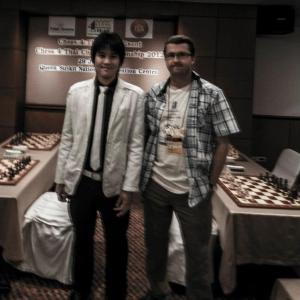
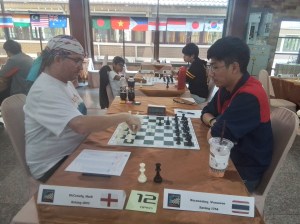
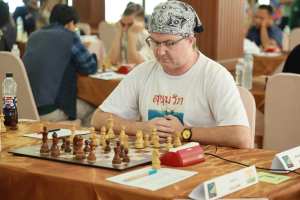

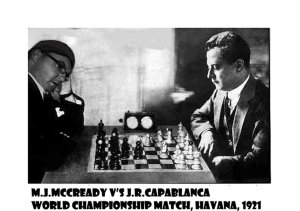

 McCreadyandChess
Leave a comment