Straight from the source because I cannot link the game. GM Nunn’s book Understanding Chess Endgames again, I do suggest you purchase a copy if endgames are what you want to study, and you are a rather meek club player like myself. Have a look at the following position, it’s white to play.
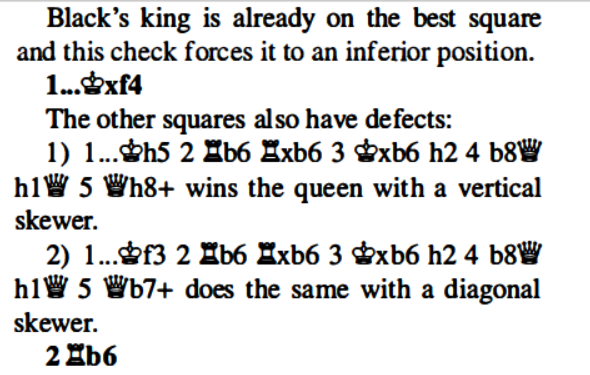
White is able to win this but there is only one way to do it, via the intermediary check Rg6! As the analysis shows below, black is compelled to capture on f4 but a pawn race will soon ensue, which allows white to pick up a valuable tempo by queening his pawn with check. To me it doesn’t look like white can save himself. In endgames, where lines of calculation ealongate, I wouldn’t see the significance of the intermiediary check. Would you?
A mere mortal club player always in a muddle or worse over the board, am I meant to know how to weave a mating net in this position? Even if I did study endgames often, would I see it? Probably not. According to GM Nunn in his book detailed below, the move played is the only winning move. I am not good enough to consider how important the king position can be in such endgames and how it can be decisive also but then I am allergic to going more than 4 or 5 moves deep!
Soviet chess and Bondarevsky plays a move against Panov I could not play. The queen and two minor pieces are on the queenside and white appears to have control over many squares on the kingside, so making a sac work on that side of the board feels counter-intuitive and inadvisable. But work it does with deep calculation and another sac to follow. Not easy to see how so.
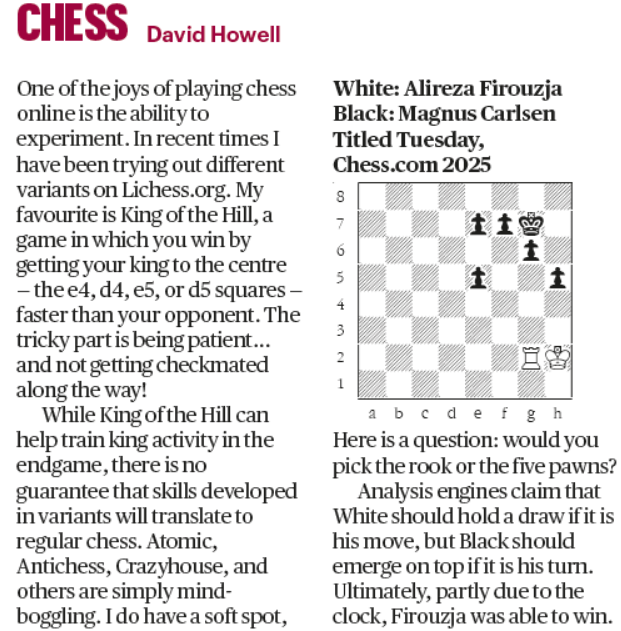
Having to refine my reading habits more and more these days, choosing only the choicest on-line content whatever the cost may be. I noted earlier today that my all time favourite player -GM Carlsen- found himself in a highly unusual ending against GM Firouzja last week and chased it up in The Times.
In his column GM Howell gives us good reason to want to watch chess on-line.
You can read the whole article by subscribing to The Times, it’s much less expensive than you may think. https://www.thetimes.com/
With regards to the publication below, which I bought decades ago, I’ve always had a strong admiration for Tolush. He was Spassky’s trainer, and his style of play is so reckless at times, as you will see below should you click on the link provided. I’m not a 1. d4 player but I know enough about The Trompowsky to say with some confidence that if you play it, and your queenside collaspes completely, and most of the kingside has been left undeveloped whilst your king gets chased half way up the board, perhaps you didn’t gain much of an advantage out of the opening! When you resign on move 26, that’s often the case. I couldn’t play the move below because my assessment is based more on evaluation than calculation and I am not brave enough to play such moves. How can he justify allowing 9. Nxc2+? Very brave indeed or failing that miscalculated-hard for me to tell. You may want to play through the game, many over the years have as it’s quite something.
On pg. 101 in his excellent book The Soviet Championships B. Cafferty comments that the move below requires deep analysis. Far too deep for me and almost everyone else below 2600 ELO I would imagine. Sacrifices with long-term compensation are above my level I don’t mind admitting. I do not know how white is meant to proceed after the annotated move below.
I’ve never sacced a queen in my life! So what are the chances of the likes of me playing the move below? Yes, there’s some immediate compensation but not enough and the win is from from easy. Another 13 moves are played before GM Miles resigns with mate imminent. A fine game by Bedfordshire’s GM Plaskett, considered his best.
Out through the fields and the woods And over the walls I have wended; I have climbed the hills of view And looked at the world, and descended, I have come by the highway home, And lo, it is ended.
Robert Frost, Relutance Verse 1
Chess in the 90s vis-à-vis other board games
A decade is ten years long and may contain a discernible sequence of events longer than a country lane winding through the chiltern hills of Bedfordshire into Buckinghamshire. Or it may contain no more than the unwitting inauguration and termination of social and cultural processes & events subject to happenstance and left unchronicled. Either/or1 context is always essential. My experience of chess in the 90s can placed in the cornucopia of board games back then.
Verse 2
The leaves are all dead on the ground, Save those that the oak is keeping To ravel them one by one And let them go scraping and creeping Out over the crusted snow, When others are sleeping.
It was commonplace to play board games for those who grew up in England in the 70s & 80s before the advent of the internet, social media, online games and all that jazz. Oftentimes they were presents at christmas or birthdays or that which you spent pocket money on yourself sometimes. The first which I liked and loved was Frustration (a fun version of Ludo) and would play with my grandfather the most.
Frustration -I used to cheat at this
The many others that followed cannot be counted, but one stood out above all others, and that was Monopoly. Even though I could already play chess before I got it for christmas, what I liked was it was fun for kids and anyone could play it. Like those around my age on my street, I grew up playing all kinds of board games with them, mates at school, and cousins in that large family of mine -all quite normal.
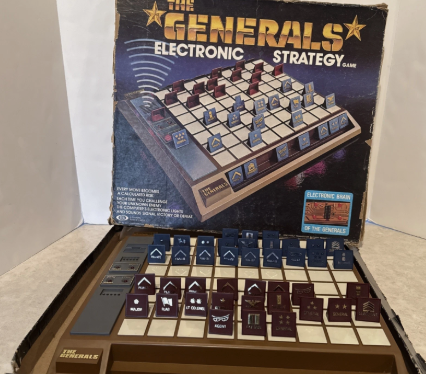
Another board game I liked.
Verse 3
And the dead leaves lie huddled and still, No longer blown hither and thither; The last lone aster is gone; The flowers of the witch-hazel wither; The heart is still aching to seek, But the feet question ‘Whither?’
By the time the 90s and its unfoldings arrived, I was already an avid reader already courtesy of chess, but it soon became not the only board game I would read up on, and read repeatedly, by borrowing a certain books out of Luton central library town. In the first winter, whilst wearing that yellow jumper handed down to me by an uncle, I borrowed Gyles Brandreth’s book on Monopoly and read it many times over2. In the summer of 92 my milieu and social patterns changed much. I began playing Monopoly with a new found group of friends I hung out with for years to come with great regularity and was almost impossible to beat, if not impossible!
We had card game evenings into the wee hours and many of them also with gin rummy, blackjack and whilst played usually. We played other board games too, Cluedo sometimes but Risk usually:
A game ofWorld Domination once took all day!
Such games are, however, mostly played for entertainment value, and with dice involved, are not considered strategic as such like chess is. But more importantly, when former Bedfordshire junior chess champion Nick McBride and I became close friends in 92 also, my love of board games branched out even further and pushed me towards achievements that surpassed all those acquired under strain in chess. Nick used to pick me up and take me back to his pad in Dunstable and there we played all manner of games. Mostly chess but also Backgammon, Scrabble, Draughts (Checkers) and Othello (Reversi), the last of which Nick had Ted Landau's book on and lent to me. He was more talented than I at all of them and helped me raise my game across the board. Nick also invited me to a match he played against Irish draughts champion Pat McCarthy on July 17th 1992 3, held in The Travelodge on Lutons edge, where I spent the entire day watching and playing both draughts and some chess too. I read up on draughts some and continued playing it whenever I could. Three years later, Nick and I went down to Weymouth, Dorset before it was light one Summer morning to play for England in a match against Ireland. I only played two games, drew the first and had a technical draw in the second but made a mistake in time pressure and lost that. I fell asleep on the way there and on the way back too, finding the bright sunshine and sunbathers on beach blinding, when more awake as we stepped out of his Renault and walked towards the playing venue across an empty car park on that hot sunny day.
I started university that Autumn, moved out of Bedfordshire and at the end of the following season, removed myself from its chess scene. However, upon return from America in 99, I spent the Summer working in London and bumped into Nick at the Mind Sports Olympiad in Kensington by chance. Chess had already become rather humdrum and pushed into the past, so I did not play it, although I did watch a few games played here and there as I recognised many playing. Instead, I entered the tournament for Othello (Reversi) and did rather well at first. So well in fact that I played alongside the then world Japanese world champion, who took interest in one of my games. Whilst not participating, Nick pointed out the big names of the draughts world such as Ron King, and together we would watch him play. I also saw Dave and Andy Ledger of the Bedfordshire chess scene play Cribbage (Doubles), my favourite card game, one which I would go on to play the American Number 2 at the time, Michael Schell, on-line four years later. I watched Abalone being played and almost entered a tournament for that also. It was generally pleasant to watch the hundreds or so enjoying their own thing together. Alphazero and Nobel prize winner Dennis Hassabis was also playing Othello but I cannot recall whether I played him (he was unknown then) or whether I finished above him (unlikely as I only scored 50% in the end despite a good start). I did, however, manage to befriend Aubrey de Grey from Cambridgeshire, a member of the British Othello Society and became a member, for which I received monthly e-mails for years to come. Nick and I had a great time and were there every day almost. I managed to juggle that and work commitments easily as they were mostly in the evening.
That was a very fitting finish to the decade. Both Nick and I were based in London that Summer and met many times over August and September after the Mind Sports Olympiad was over. Sometimes that was on Baker Street as he had a flat just off it, sometimes Soho. We used to walk around and never really talked about chess much but draughts we did as Nick had already trained in publishing and was producing literature on it, some of which I read. Although most of the decade was spent playing chess, it never really went anywhere and my interest gradually petered out as the decade passed and priorities changed; other than represent Anglia at junior level in a Jamboree in Bury St. Edmunds in March 19904, my achievements never were worth writing home about, I am not reluctant to tell. I certainly never played for England nor did I play on the board next to the world champion either! I never did apply what memorization ability I had much with chess either as it often played second fiddle to learning the lyrics to all the songs I liked and always listened to; the following decade I most certainly did with Cribbage (learning all the stats regarding both discard tables), Texas Hold ’em Poker (learning percentage play, and lesser so, how to calculate outs effectively also), and Scrabble (learning to memorize all the 2 and 3 letter words, 4 letter words I did not attempt but all the words that began with high scoring tiles, especially the letter Q I printed out and carried around my office as late as 2008). What does this all mean? Nothing much really except chess was just one of many board games I played that decade, as was the case in the preceding decade, and the one before that. The principle difference being it was the first I began reading about and the only one I became school champion of. As a promising junior it became more of an obsession than something I was relaxed about, as I invested a disproportionate amount of effort in it. All this helps me understand why I no longer play competitive chess, have no interest in improving myself, and play only for pleasure as that is how all board games should be played: that is how it began, and that is how it should end in my humble opinion.
Verse 4
Ah, when to the heart of man Was it ever less than a treason To go with the drift of things, To yield with a grace to reason, And bow and accept the end Of a love or a season?
Robert Frost -Relutance
M J M
This is the only publication of Kierkegaard that I can recommend. I used to read it on the beach in California in 98, having completed a course on him one year prior to that. ↩︎
This has been out of print for decades now and the information online regarding the author isn’t correct either. That book was sold by presenting him as the British and not European champion and signed accordingly. I’ve always said it is by far the best book written on that game and the only one you need to read. the content is uncontestable. ↩︎
I was the first from Bedfordshire to win that morning, team captain Paul Habershon shook my hand with a smile on his face for doing so. My opponent was not terribly strong and rated 130J only, he dropped a piece in the opening. I was white, it was a Sicilian Defence and he left a bishop hanging on b4, which I collected after a check with my queen on a4. It was a very easy win, achieved in that same yellow jumper I always wore down the library that year! ↩︎
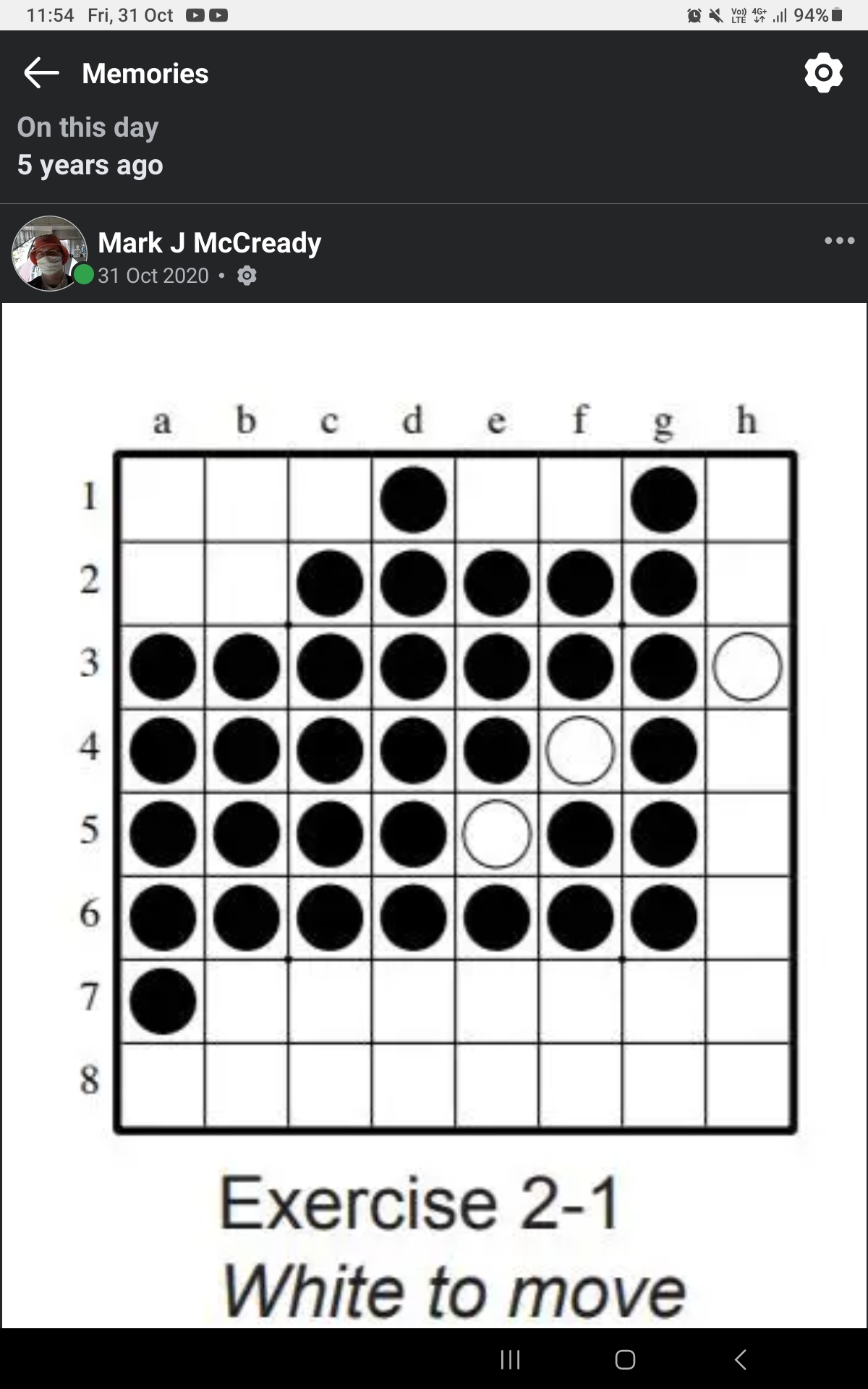
Regarding the book Nick leant to me on Othello by Ted Landau, some pics I found on my facbook wall recently from it.
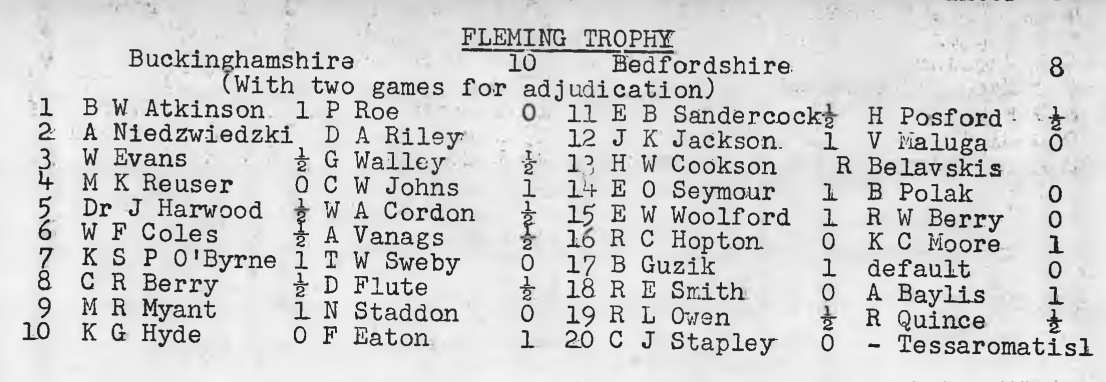
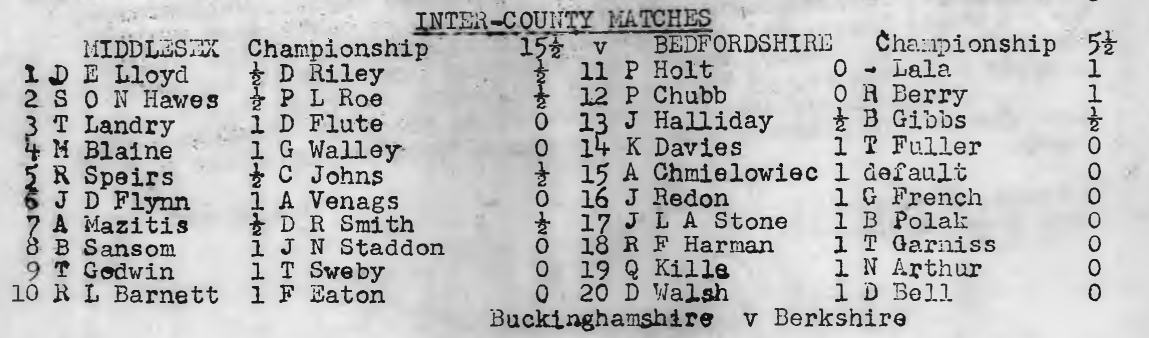
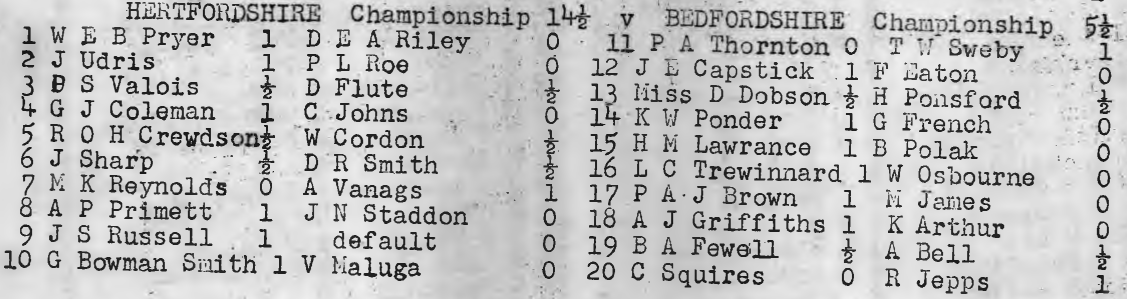
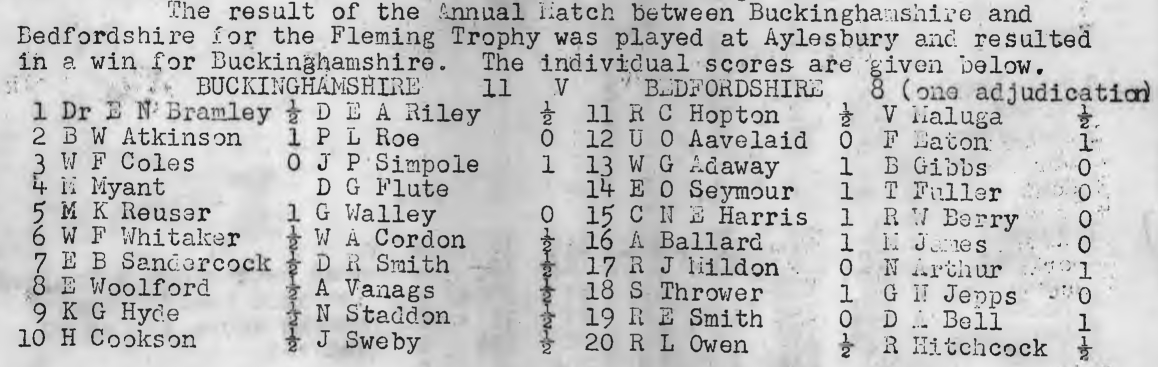
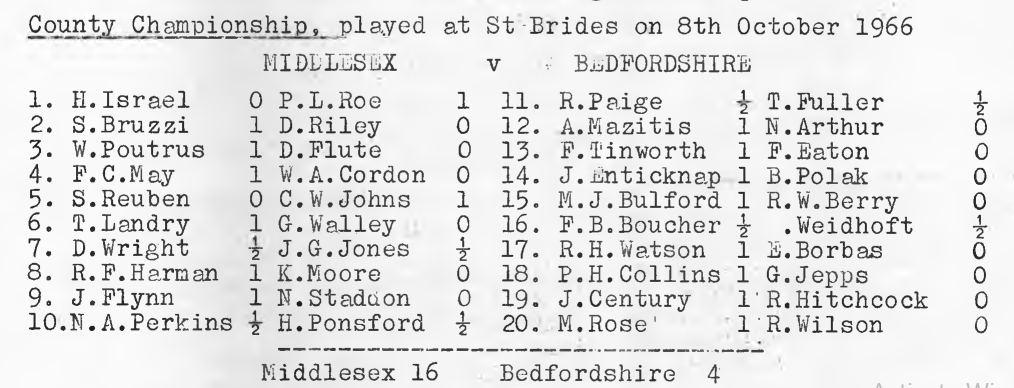
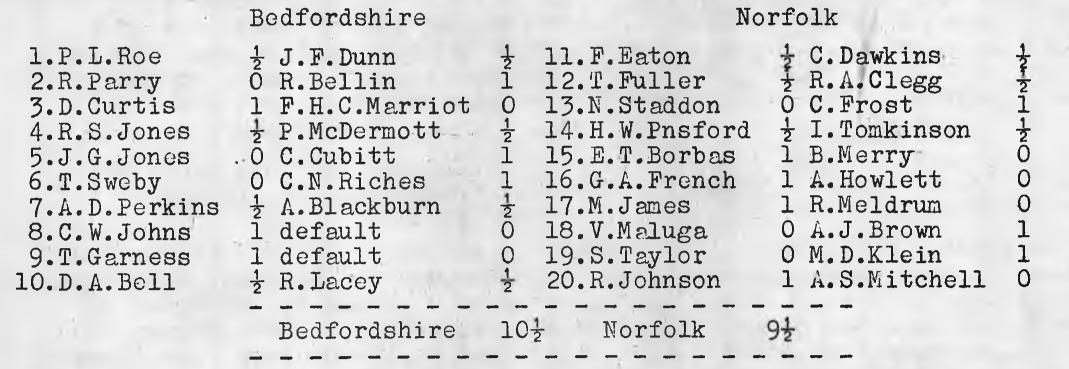
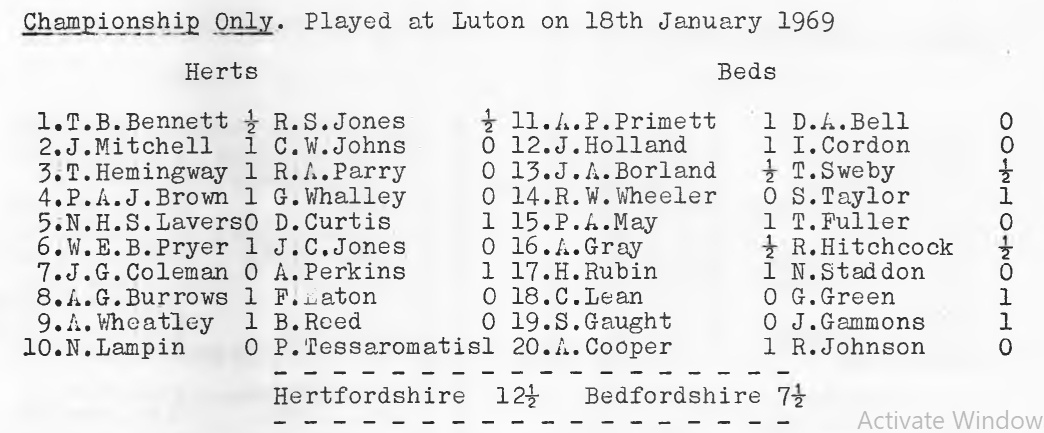
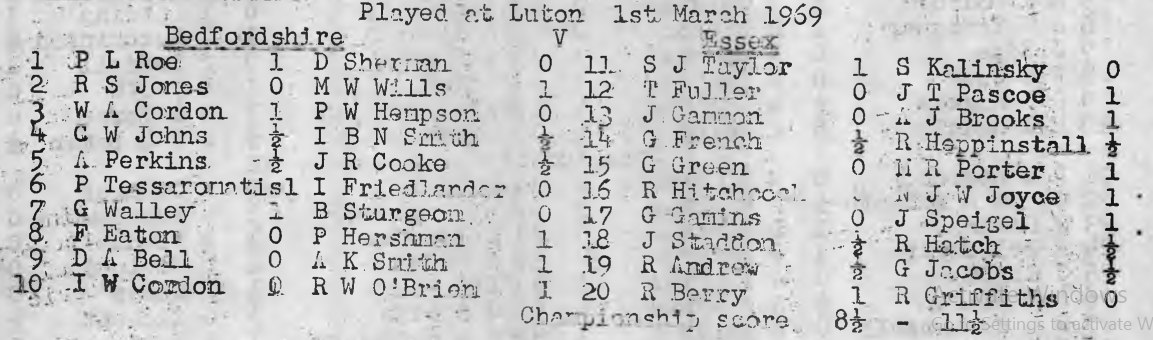
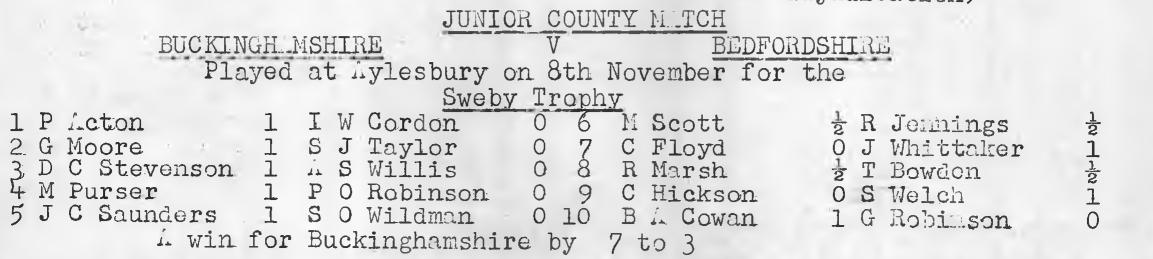
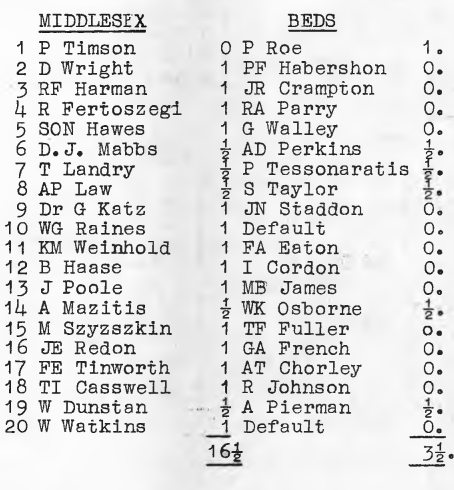
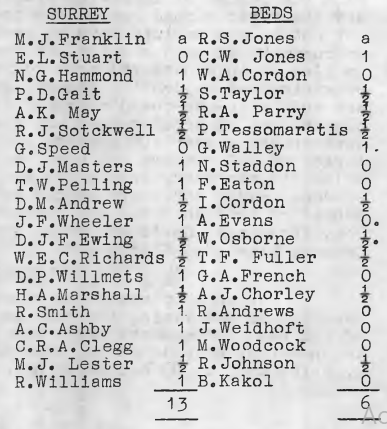
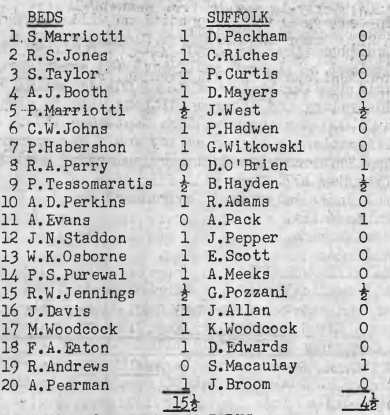
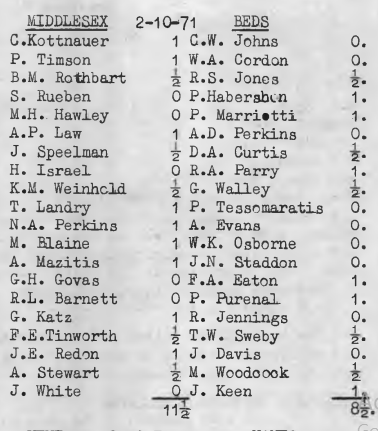
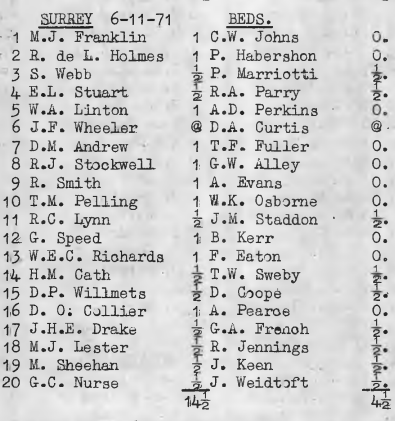
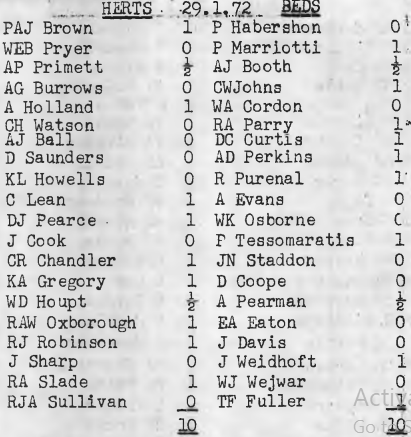
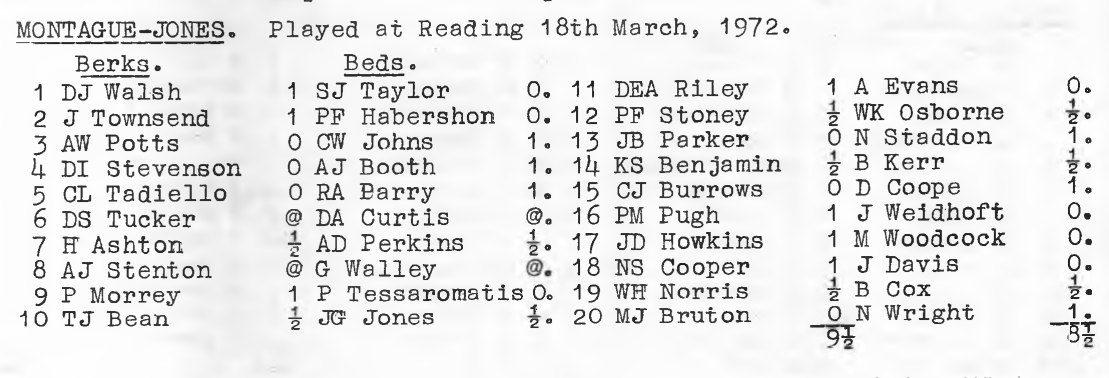
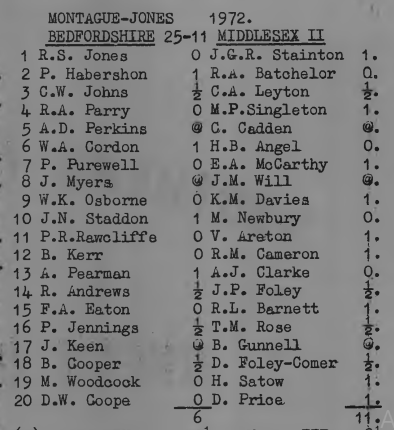
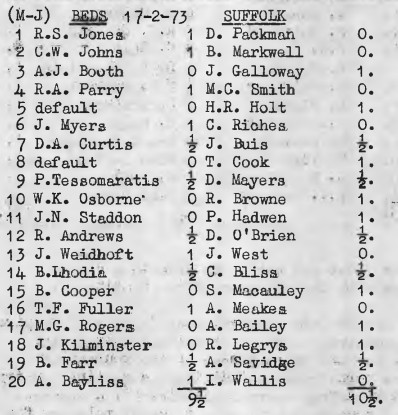
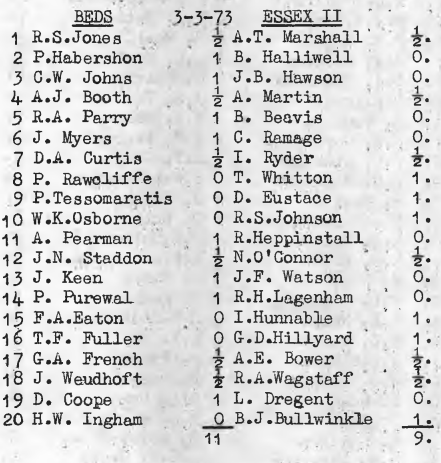
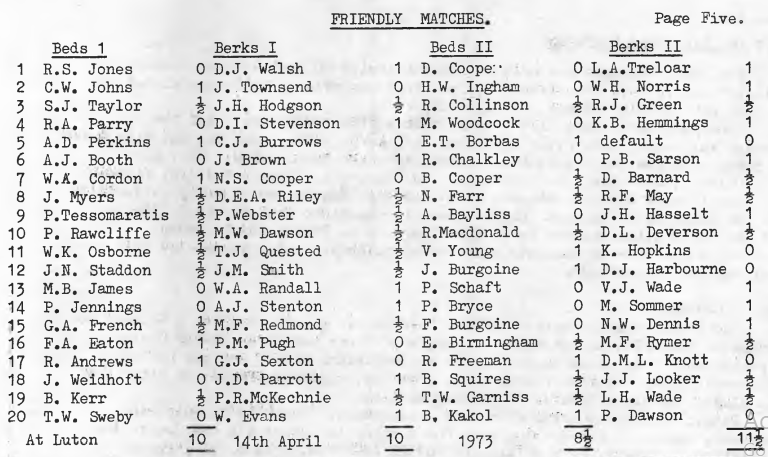
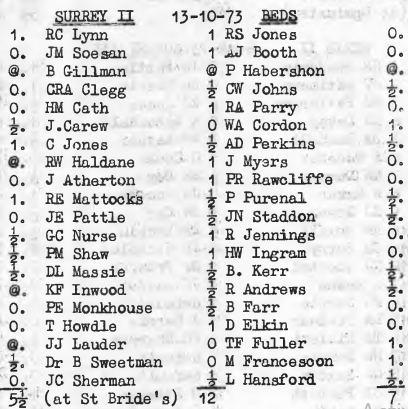
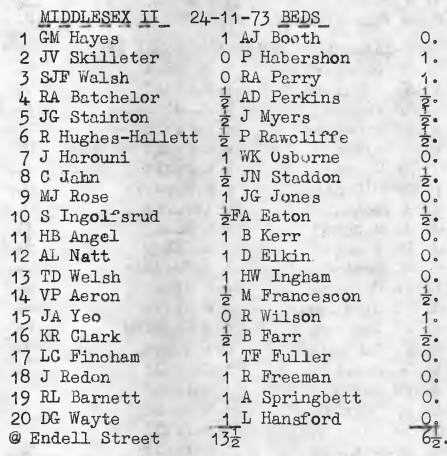
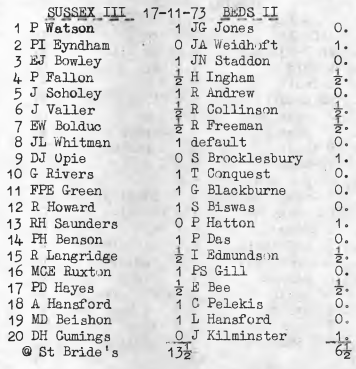
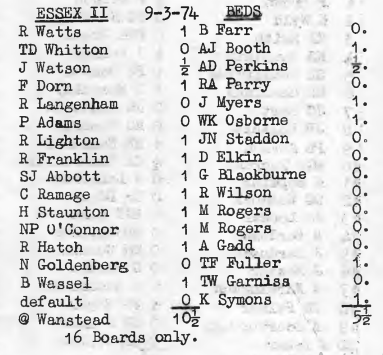
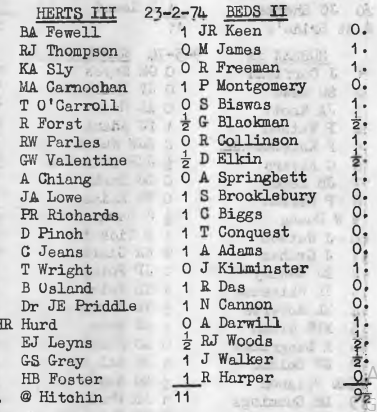
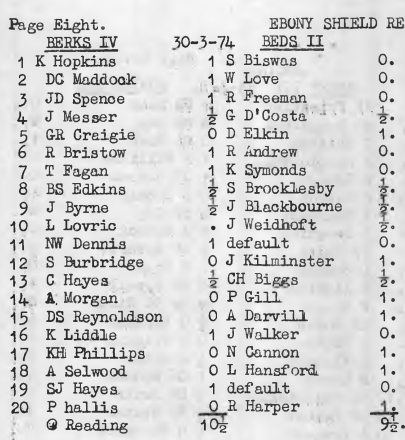
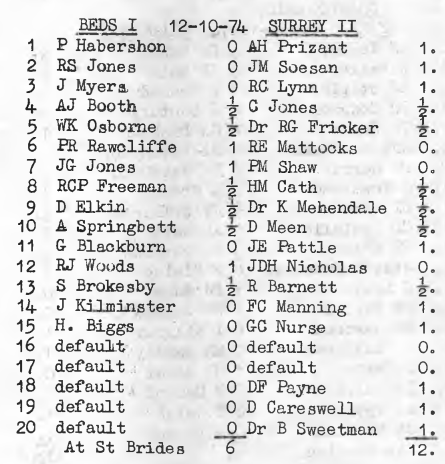
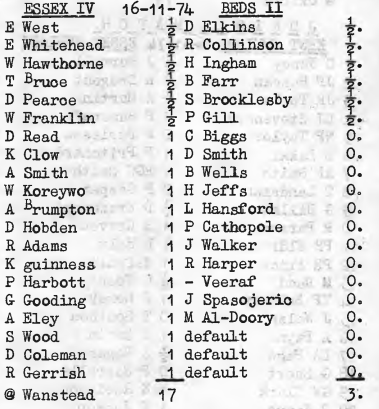
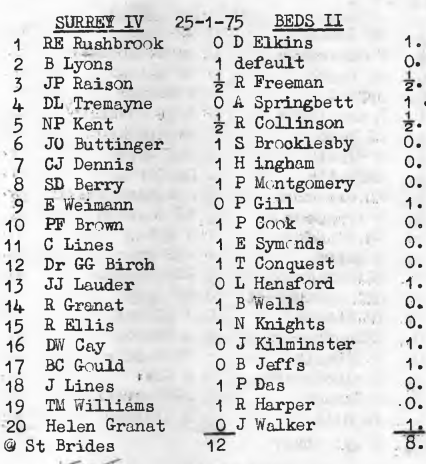
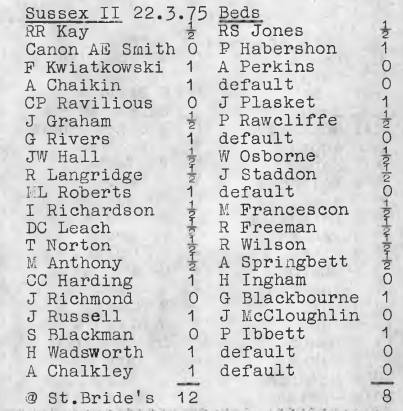
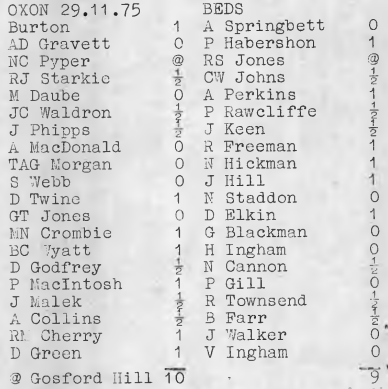
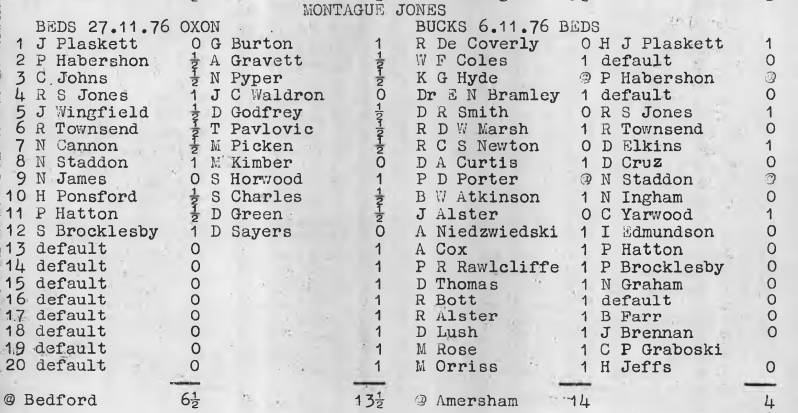
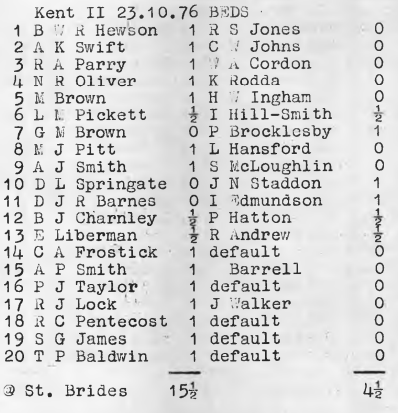
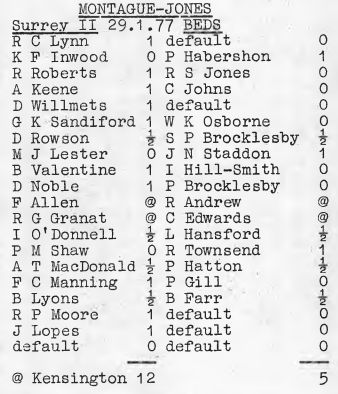
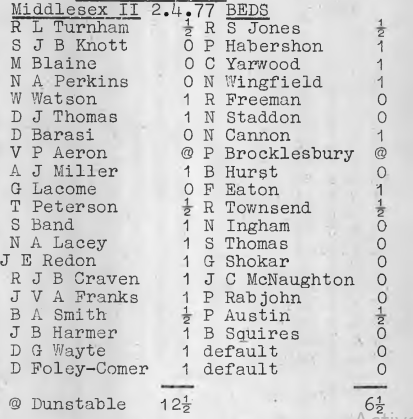
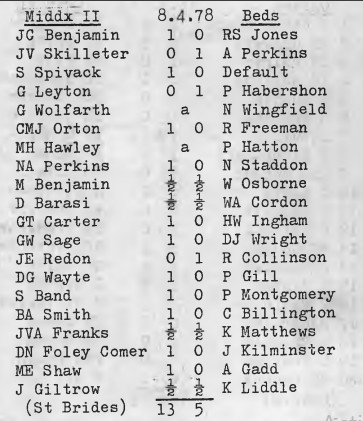
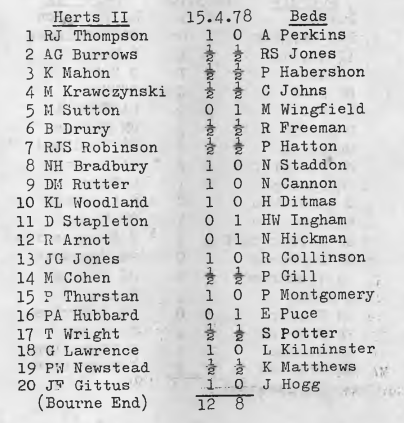
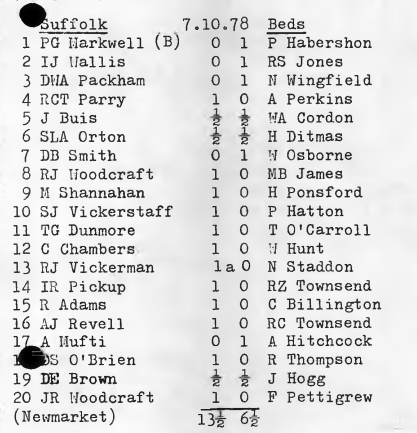
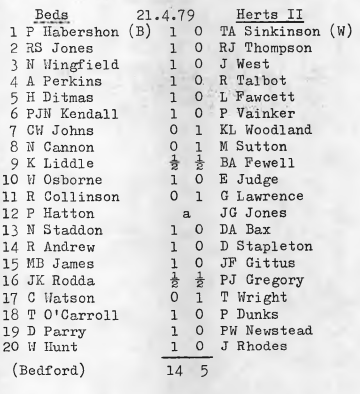
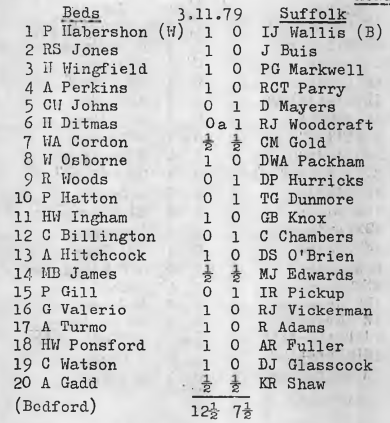
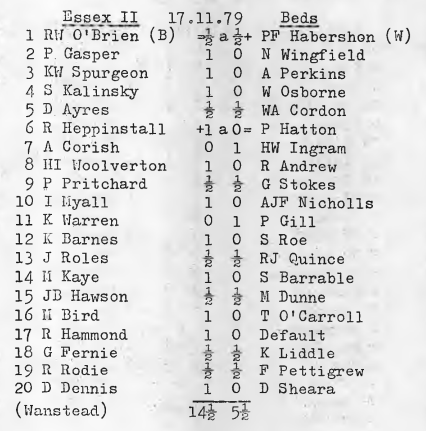
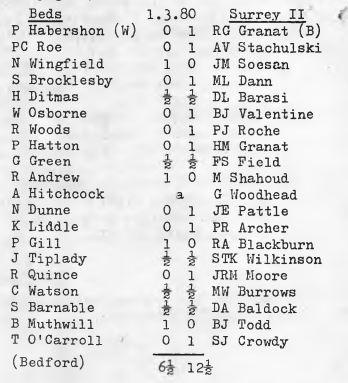
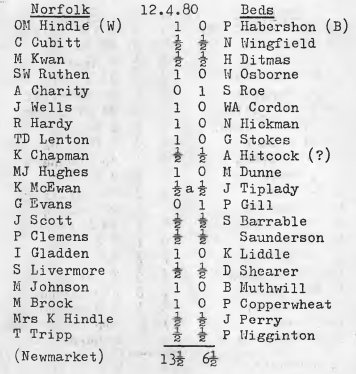
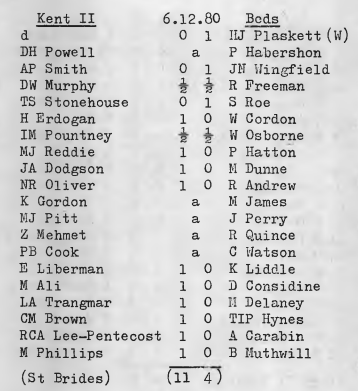
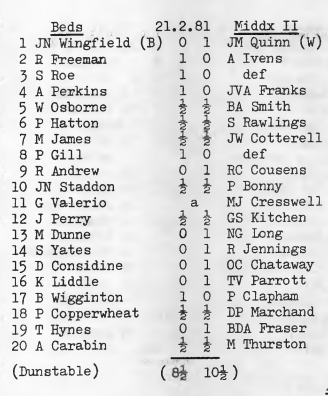
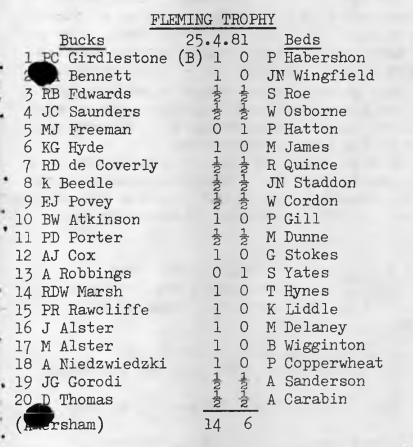
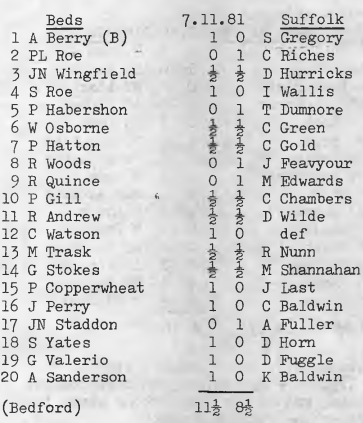
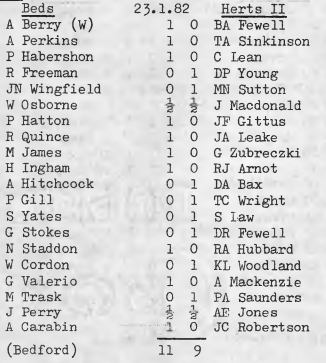
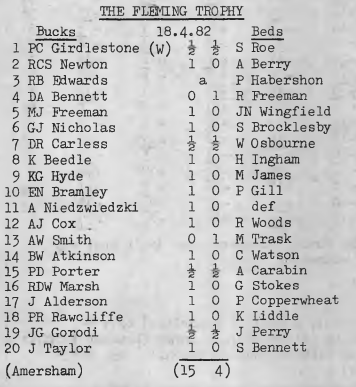
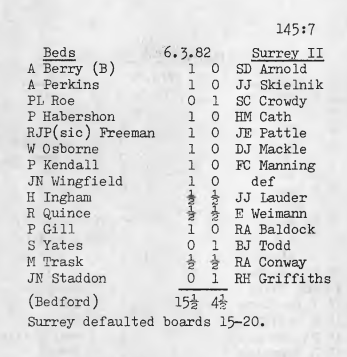
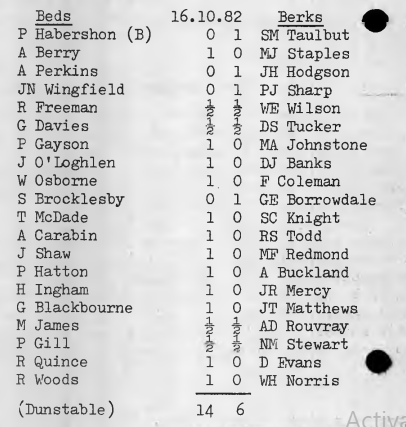
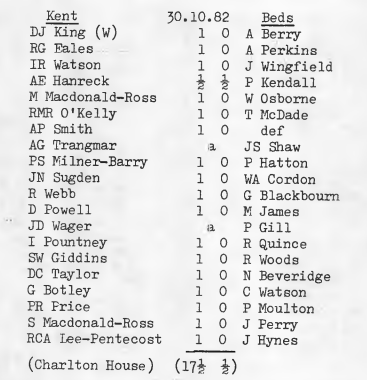
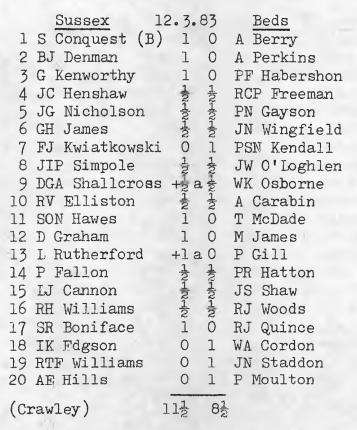
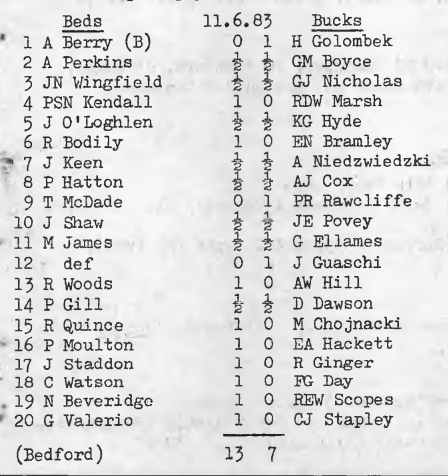
The content below has been gleaned from the S.C.C.U Bulletins only. Please note images 32 and 57 are of historical importance; image 32 shows the only instance of GM Sergio Mariotti competing for Bedfordshire with his brother Paolo, and image 57 shows GM James Plaskett making his debut for Bedfordshire.
…on what this site initially became…on what this site is now becoming…on what this site cannot become…
On what this site initially became…
…once upon a time, the chess-related musings of an adrift academic were bound playfully and electronically in this online journal of sorts. They grew and grew as the decade did too. I kept on because I love to write whether I had much to say or not; therefore, being read by others was usually of little or no importance, comparatively speaking. Content was based on personal thoughts and experience on various topics with no intended audience borne in mind. With topics broadening, my own take on things always shaped the narrative I constructed: I often thought I was insightful but never that I was right. Sometimes imagination gave rise to originality: and of that I have always remained proud. I often introduced humour, believing that I am funnier than I really am. Sometimes, I found my own style antithetical to the conservatism I believe chess is plagued by -oftentimes that has put a gracious smile on my face… .
On what this site is now becoming…
…this site is now becoming a collaboration of chess in Bedfordshire: much more so of the past than the present -that has become the dominant trend. I document the history of chess in Bedfordshire as much as I can, and as time has passed I have become more thorough and resourceful. However, I am not a trained historian as my background lies principally in philosophy but yes it is true I did study some modules on history as both an undergraduate and a post-graduate too; furthermore, I have trained myself up, particularly in terms of postmodern history. Since 2015, I have only read history and historiography as well as those philosophers who have been so influential on postmodern history, such as Nietzsche (whom I once wrote a 19,000 word dissertation on, entitled: Can the Will to Power be Found in The Birth of Tragedy?), also Richard Rorty and Foucault and I suppose certain structualists such as Claude Levi-Strauss too. Regarding postmodernism, mostly I keep to Hayden White, Keith Jenkins and Alan Muslow.
Some friends and former playing partners back home describe me as the ‘go to guy’ for the history of chess in Bedfordshire. This compliment says more about the lack of interest in the subject than my own endeavour. As mentioned, I am too adrift from academia to feel chuffed by it. Rather, I tend to lament that my historical research, like my chess, just isn’t what it should be. Even though I may well have a broad understanding of Bedfordshire chess history courtesy of the volume of research put into it, all of which began in 2014, this is not something I am particularly proud of. Nonetheless, out of courtesy compliments are graciously received. If the truth be told, I just see it as my job and only that – after all someone’s got to do it and no one else is that interested!
Amongst the many others, I have created three categories: ‘Bedfordshire Chess’ and ‘History of Bedfordshire Chess’ and ‘Luton Chess Club’. This website is slowly moving towards a consolidation of those (all of which can be found in one of the toolbars to the right).
On what this site cannot become…
…I like to be both creative and amusing when I can be, factor in that playfulness has been an ever-present factor, the content of this site should be thought of as multifarious. It could be said I continue to enjoy undermining the conservatism I believe chess is underpinned by even after all these years, and often try to use humour to do it still, believing I have got better at it. Consequently, despite the general direction its going in, this site cannot only be about Chess in Bedfordshire and nor will it be. It may become noted for that yes -in fact that’s been the case for years already even by established historians, archivists, and whoever else. External factors aside, this site is titled McCreadyandChess. I cannot, nor will I not, remove my own personal thoughts and experiences of chess from the posts of this site -especially if I think they are funny or original for they constitute my writing at its very, very best. In addition, the number of categories alone tells you that breadth of content is important to me. I am proud of my site, it is identity conferring and that is how it shall stay -end of story. All you really have are: ‘Some thoughts on the beautiful game’, which, incidentally, just happen to be my very own; nothing more, nothing less, take of it whatever you please… .
A side note on how to read old Tom Sweby's columns
Not perhaps, but quintessentially, Old Tom Sweby is best thought of as a passionate devotee to the newspapers he wrote for. He was well read and knowledgeable of the Bedfordshire chess scene and well beyond, given that he was the president of the S.C.C.U. once upon a time. He was generally well-respected and rubbed shoulders with many, if not all, of those eminent within British chess circles. It would, however, be a critical mistake to see his column is primary source material entirely. That it is not. You will also find secondary source material quoted too, and the reliability of that is not quite as Tom hoped. Given that he wrote for decades, this is to some degree inevitable, and after all we are all prone to error whether we realize it or not. Thankfully, with regards to old Tom Sweby, they are infrequent and for the most part old Tom continued to document events and developments in the Bedfordshire league from the get go as best he could but, of course, everything lies open to interpretation. Despite this, and generally speaking. this does indeed make him informative and thus worth reading. Dare I say his columns constitute a narrative describing the latest developments, match reports and changing nature of the Beds league...he knew his audience and wrote according. This manifested itself over decades but brevity was always in play courtesy of the restictions imposed by writing a column. Should you wish to read a in instrumental figure of the Beds' league post WW2, you are quite welcome to peruse what has been posted here... . :-) I should, however, point out that as the decades wore on he gradually moved on away from narratives concerning the Bedfordshire league towards affairs both historical and international. The reasons for this are multifarous, old age was a predominante factor presumably, however, the bottom line is with regards to how the Bedfordshire chess scene developed post WW2: old Tom Sweby is your go to guy. He wrote more about chess in Bedforshire than anyone else did but given he was a Lutonian and writing for a Luton newspaper there is both bias and greater coverage of his hometown than the rest of the county.
Gallery
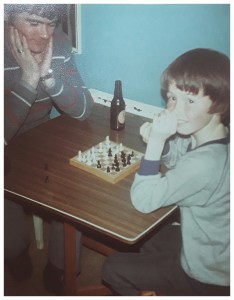
I’m either 10 or 11 here
1982, myself versus Brian from Sunderland.
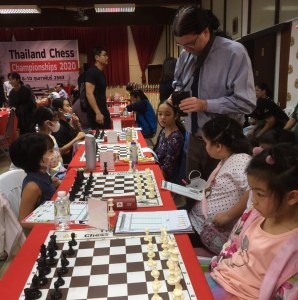
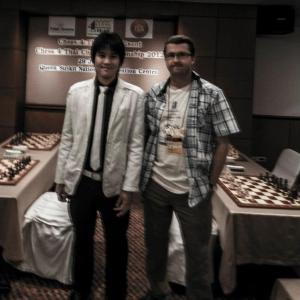
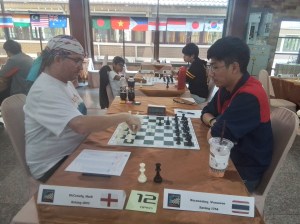
At the Thai Junior chess championships. My daughter of course.
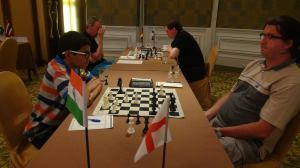
Pattaya 2011
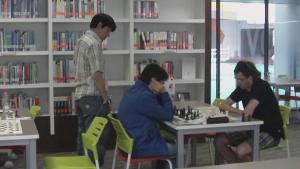
2011
Thai Junior Championships
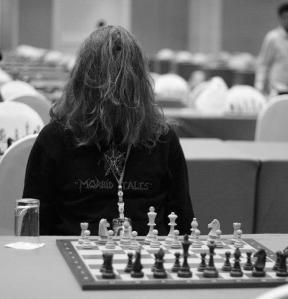
2008
2011
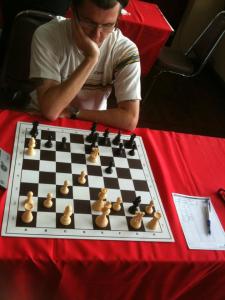
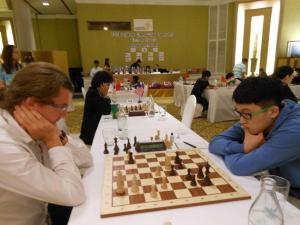
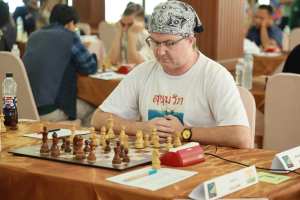
Around 2011
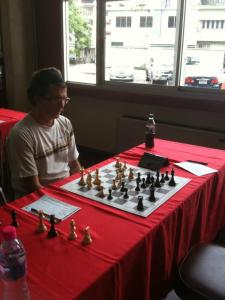
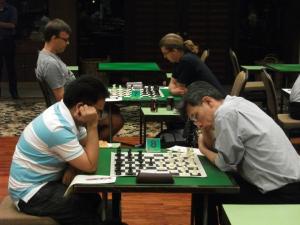
2011
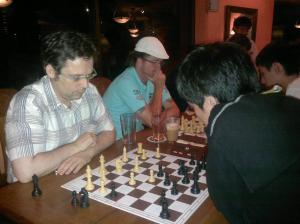
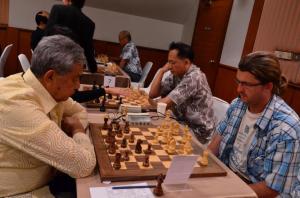
Pattaya 2009
2011
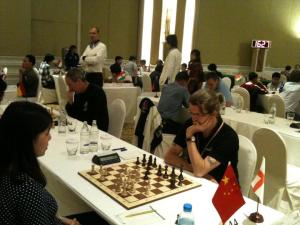
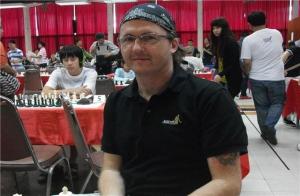
Kuwait 2008
2012
2012
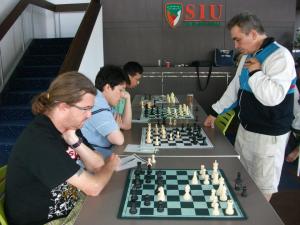
2011 BKK Chess club
2011
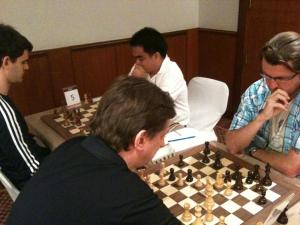
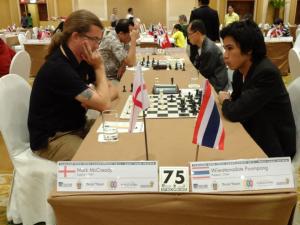
2011 Thai Open
2011 Thai Open
2013 approx
Around 2014
2010
2012
Around 2011
2011
2011
2013
Around 2011
Around 2011
2020
2011
2008
2011
2013 or thereabouts
2010
2017
2014?
2010
2024
2024
2024
To add comments, please see the bell at the top of the page.




















































































 McCreadyandChess