






















Posted in History of Bedfordshire Chess from 1980-2000 on May 10, 2024| Leave a Comment »
Posted in History of Bedfordshire Chess from 1980-2000 on May 3, 2024| Leave a Comment »
Courtesy of Tom Sweby, some background information can be found here. Some advice -do not attempt to solve that puzzle!


Also from the oftentimes resourceful English Chess Forum.

MJM
Posted in History of Bedfordshire Chess from 1980-2000 on May 1, 2024| Leave a Comment »
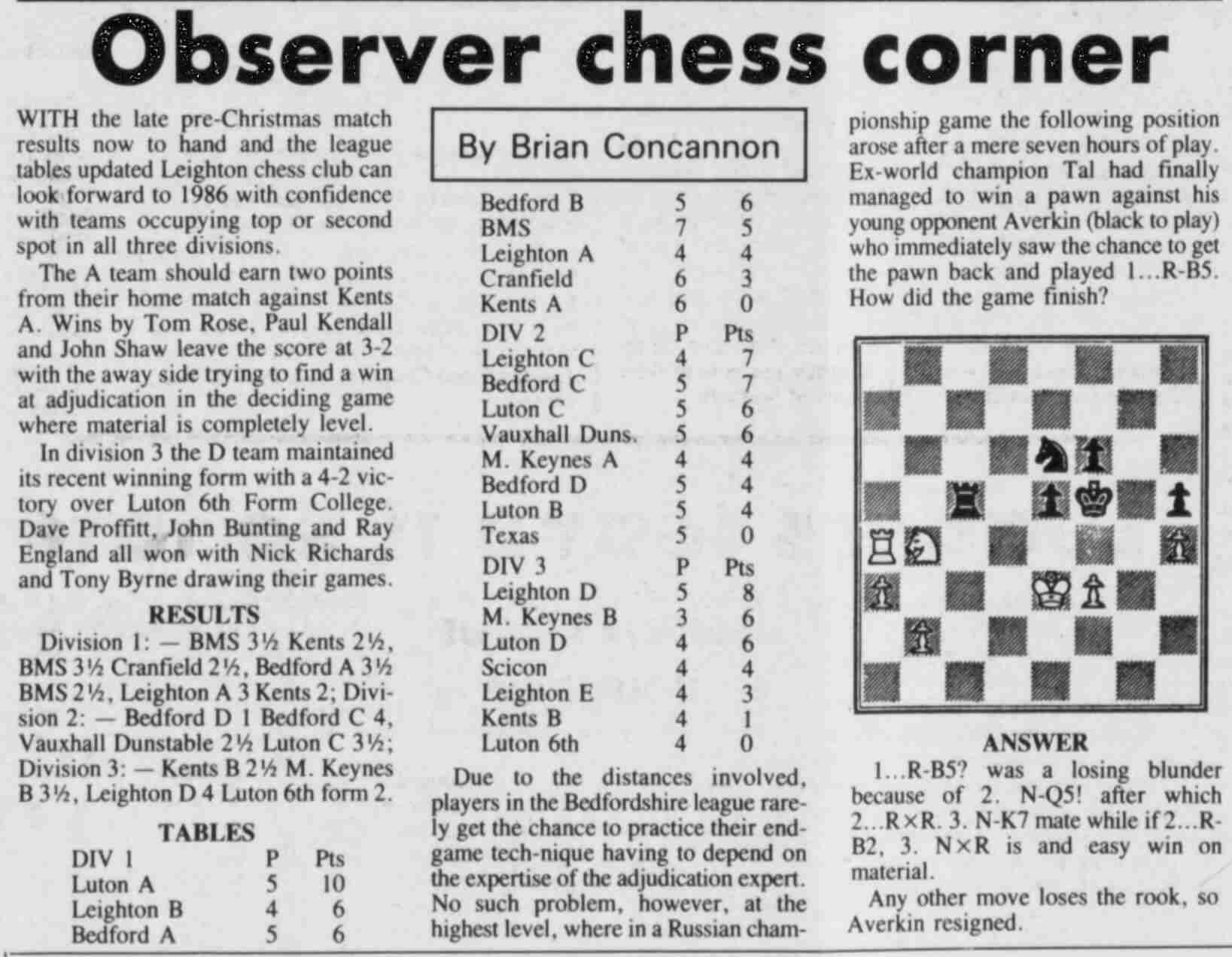
Wednesday December 31st 1986, The Luton News and Bedfordshire Chronicle



Thursday, November 27th 1986, The Luton News and Bedfordshire Chronicle

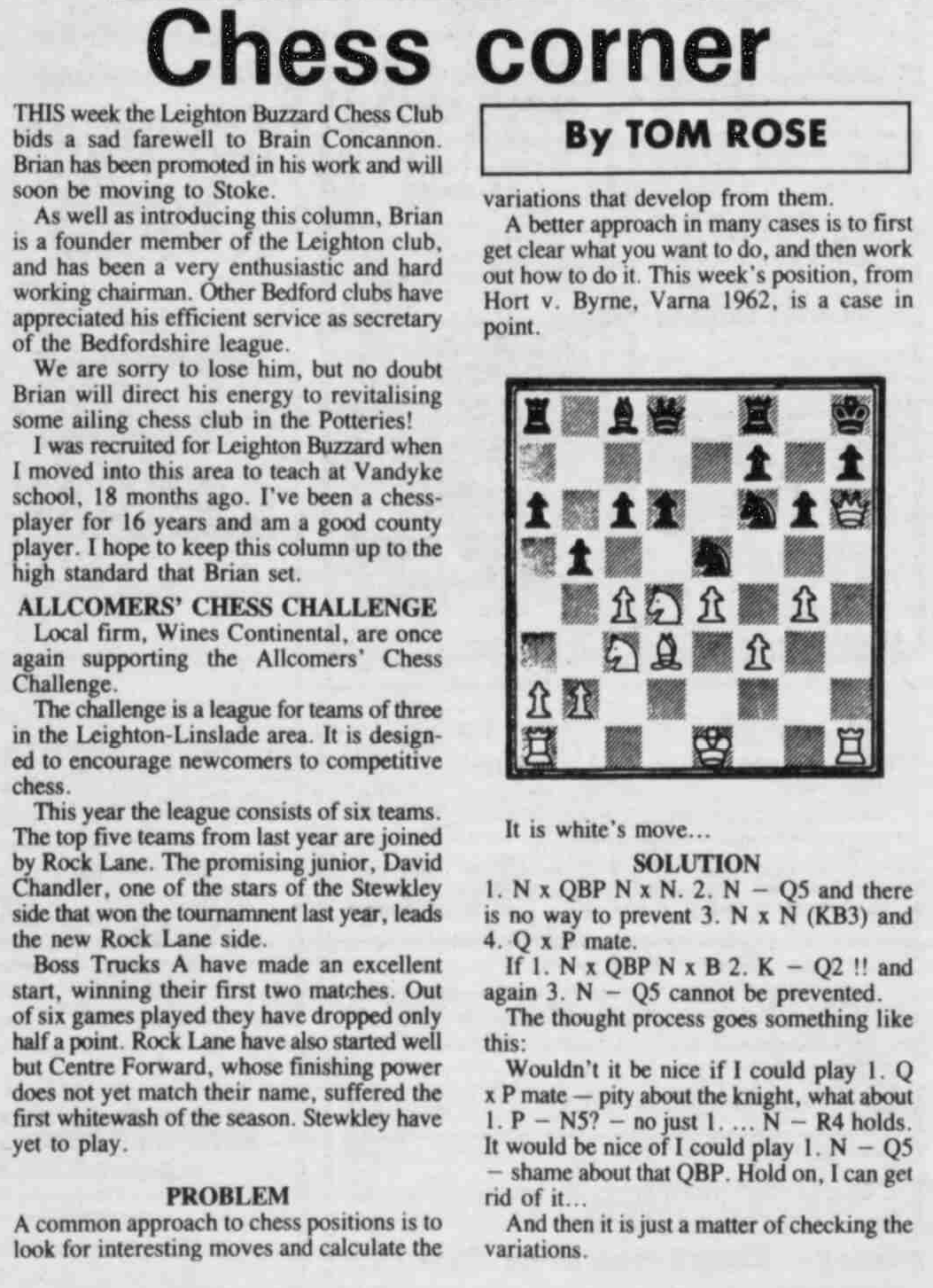
Thursday, November 6th, 1986, The Luton News and Bedfordshire Chronicle
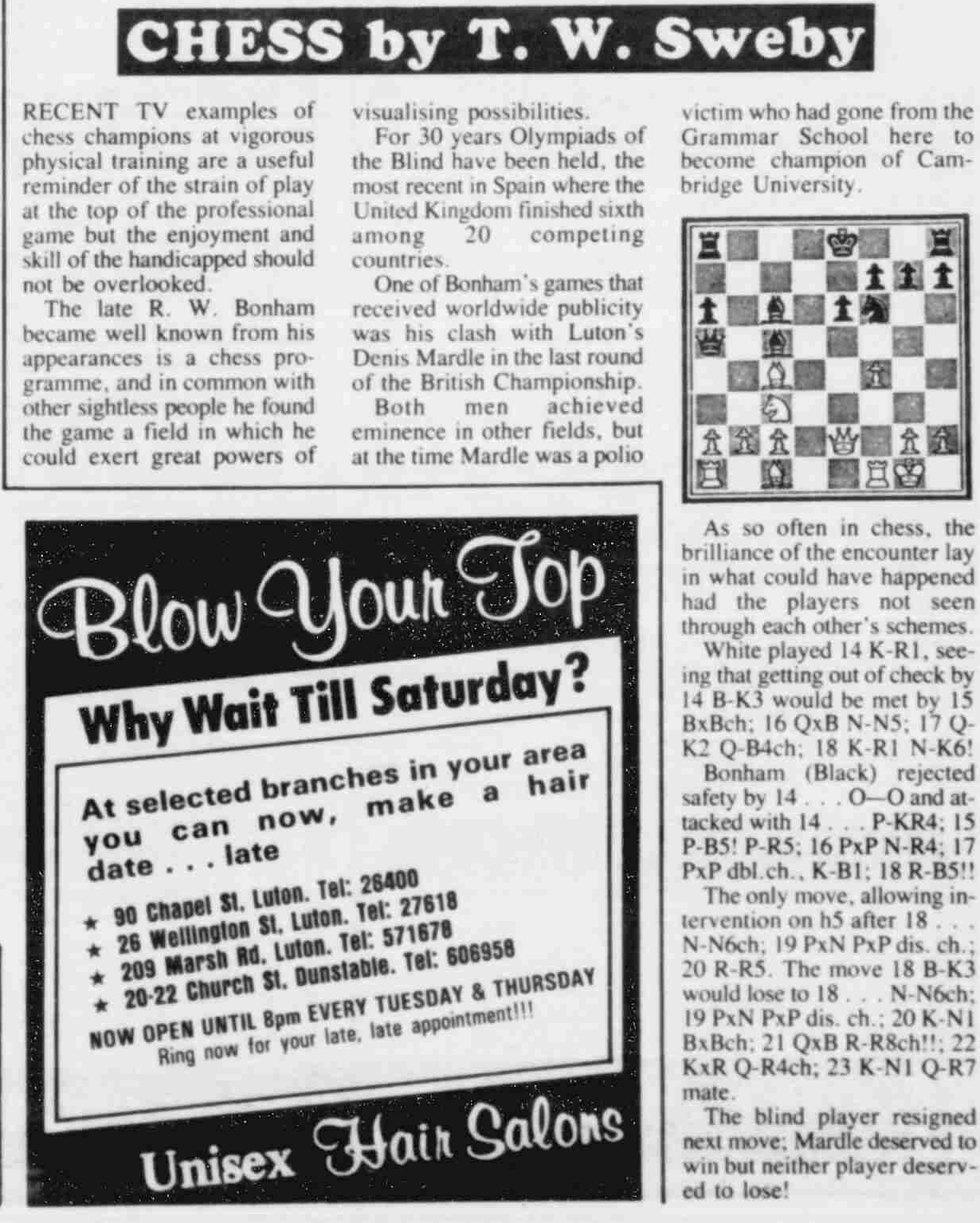

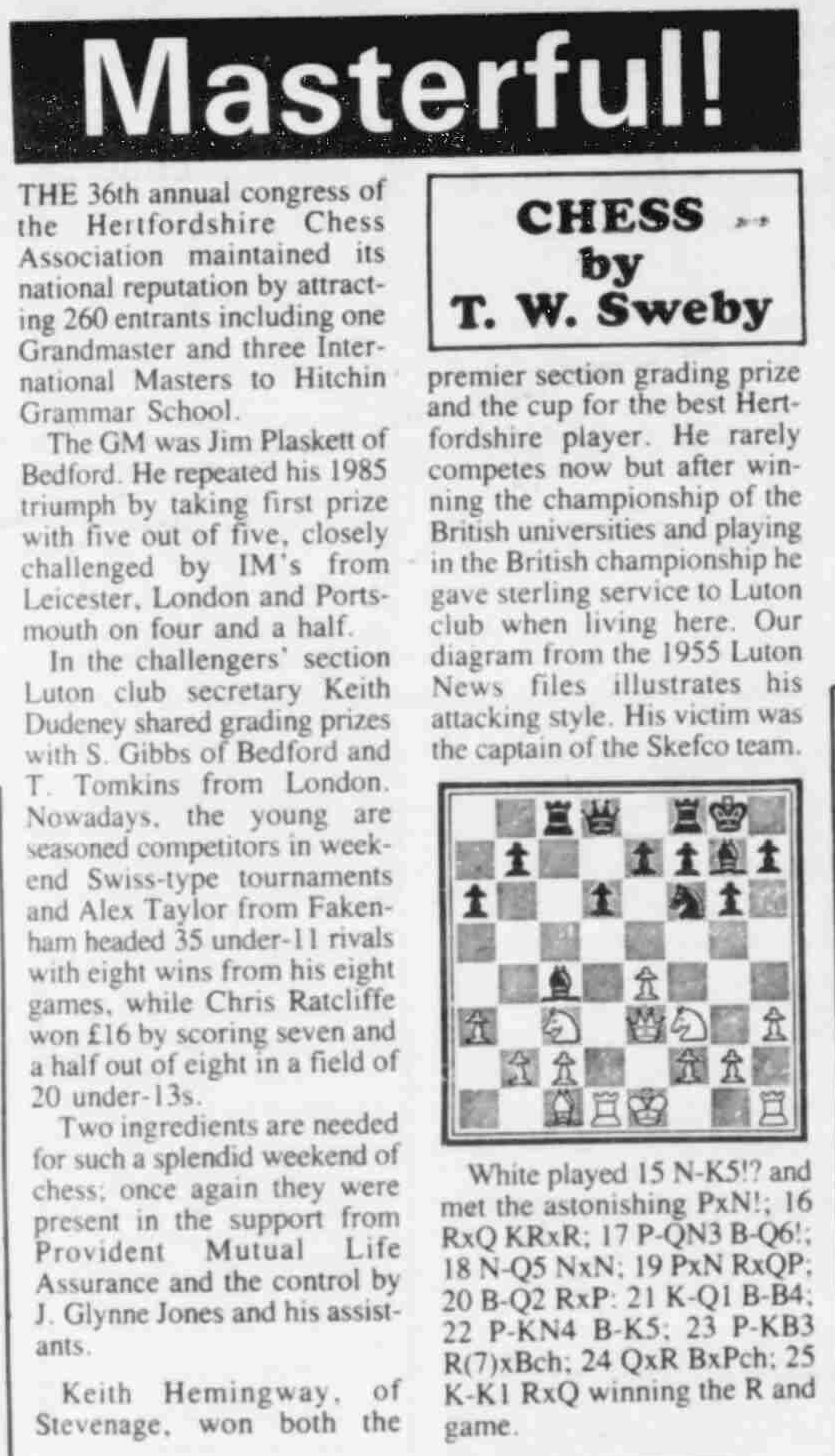
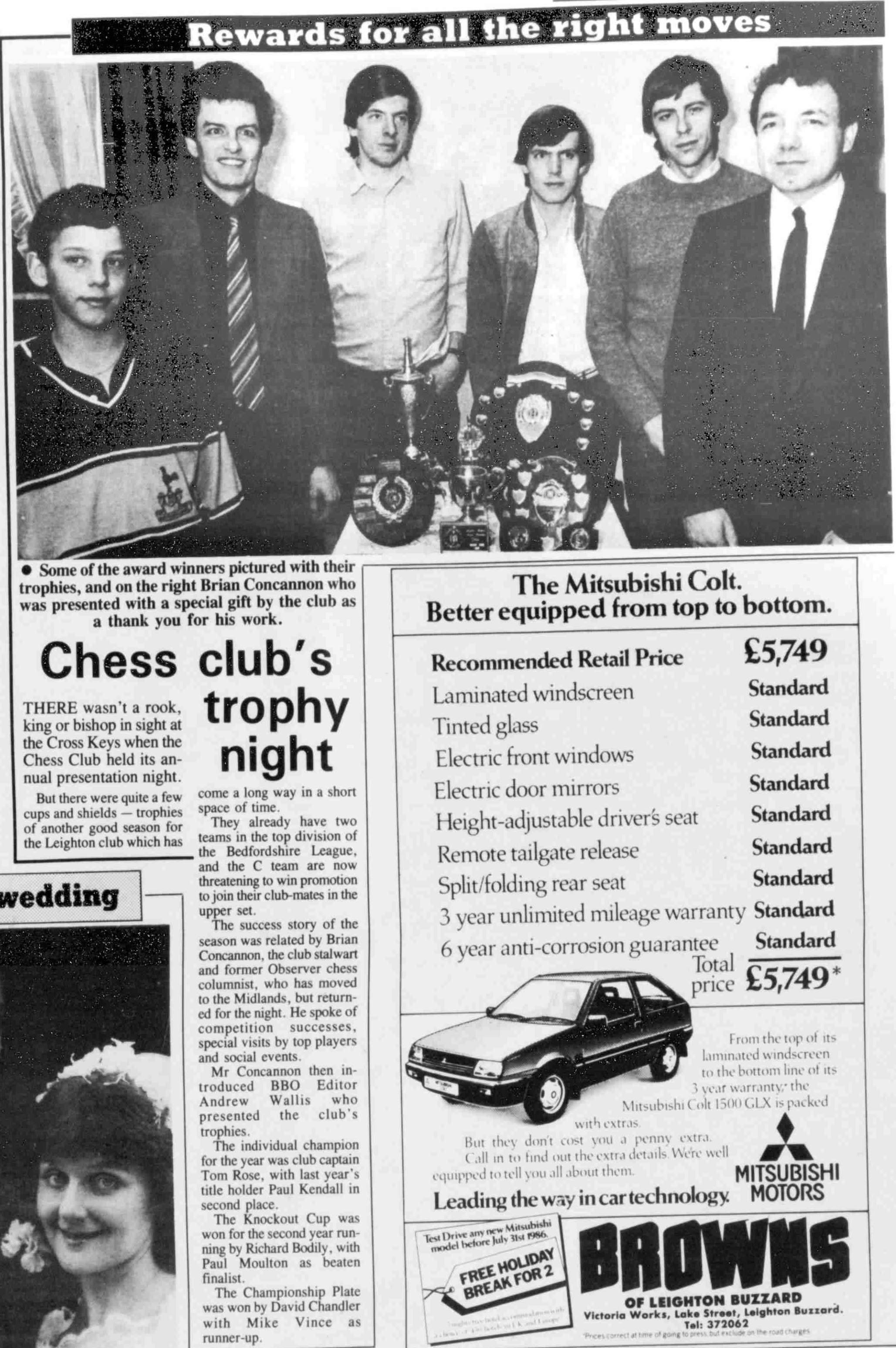
Thursday, October 16th 1986, The Luton News and Bedfordshire Chronicle
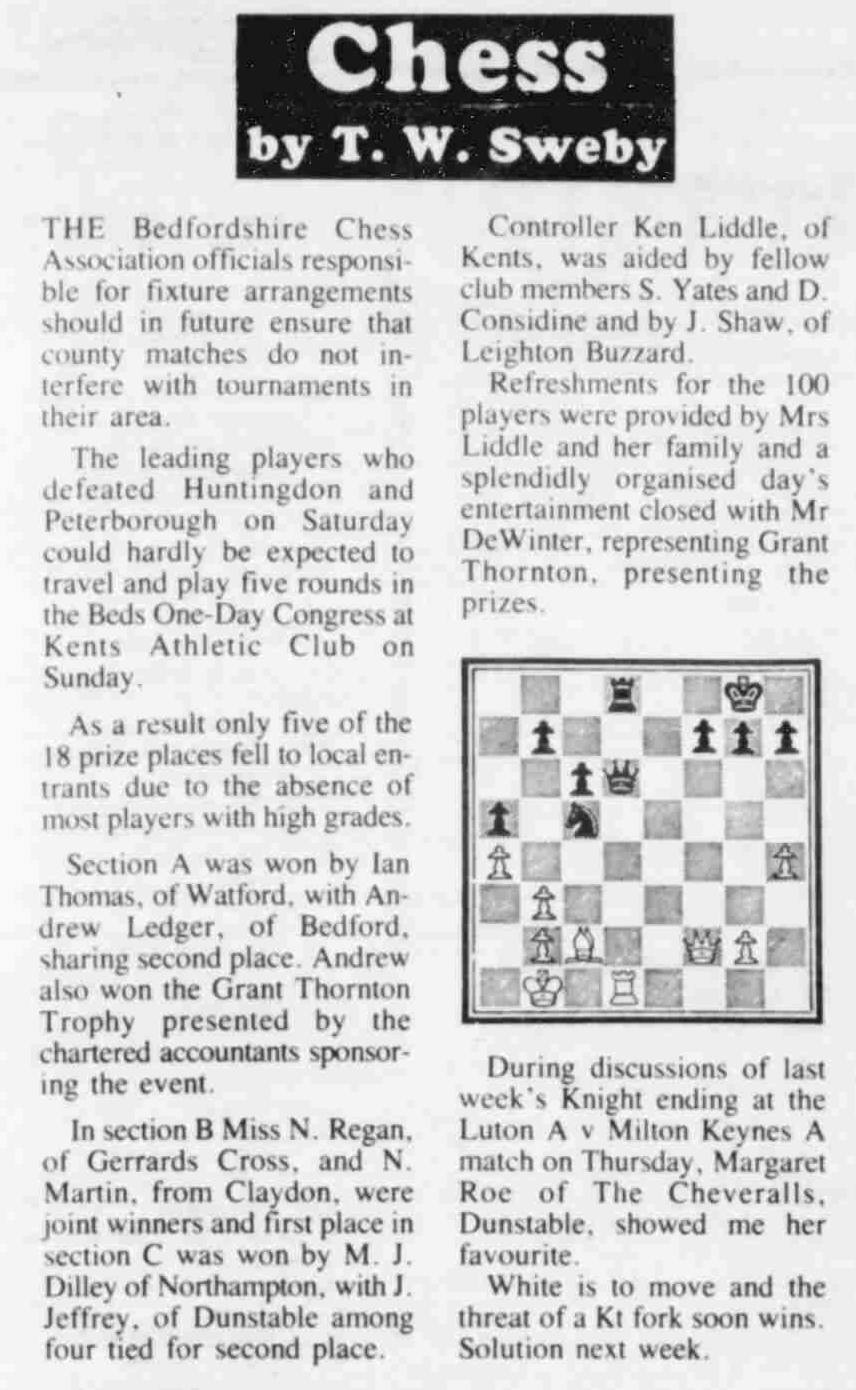
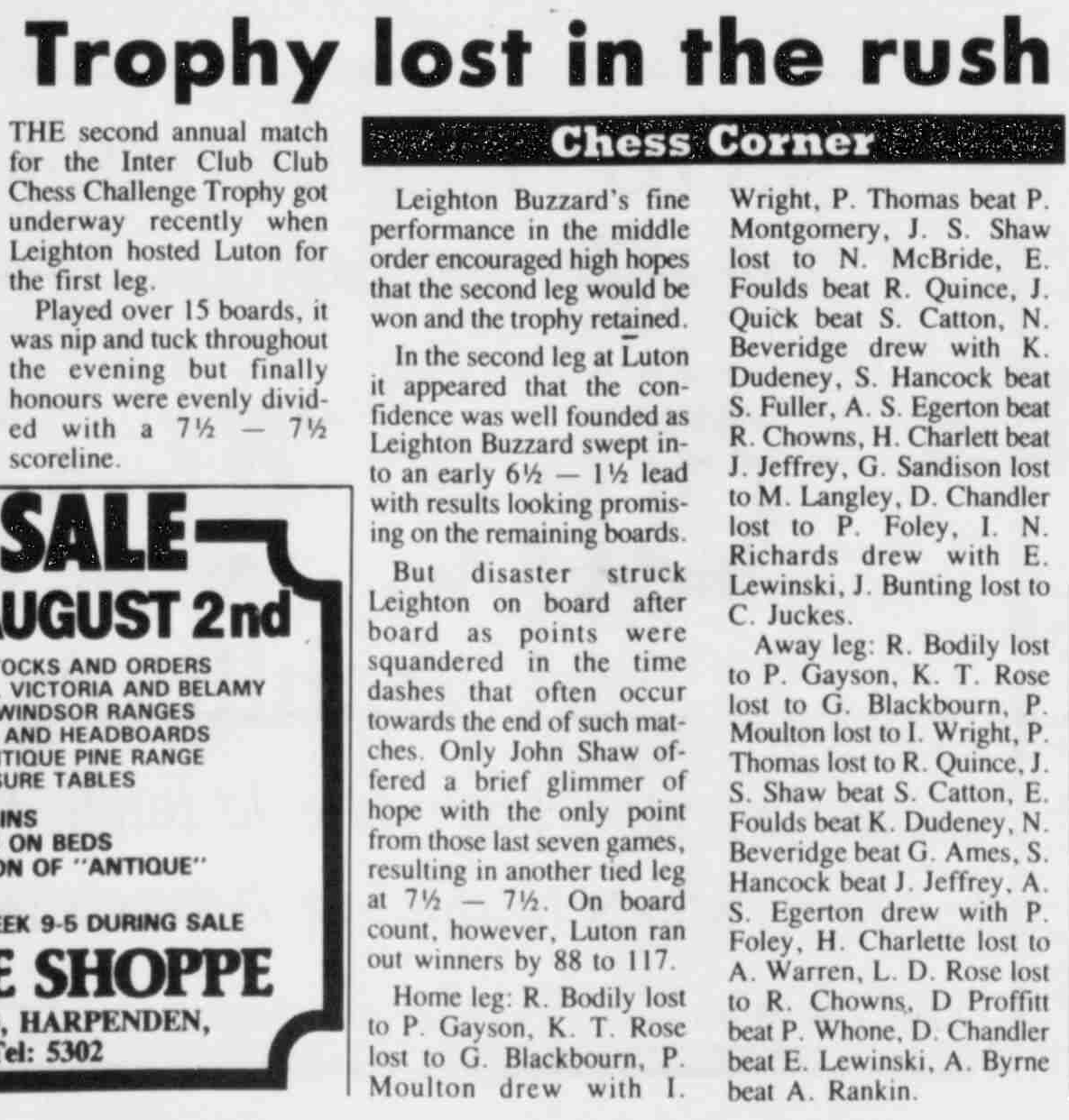
Thursday, September 25th 1986, The Luton News and Bedfordshire Chronicle
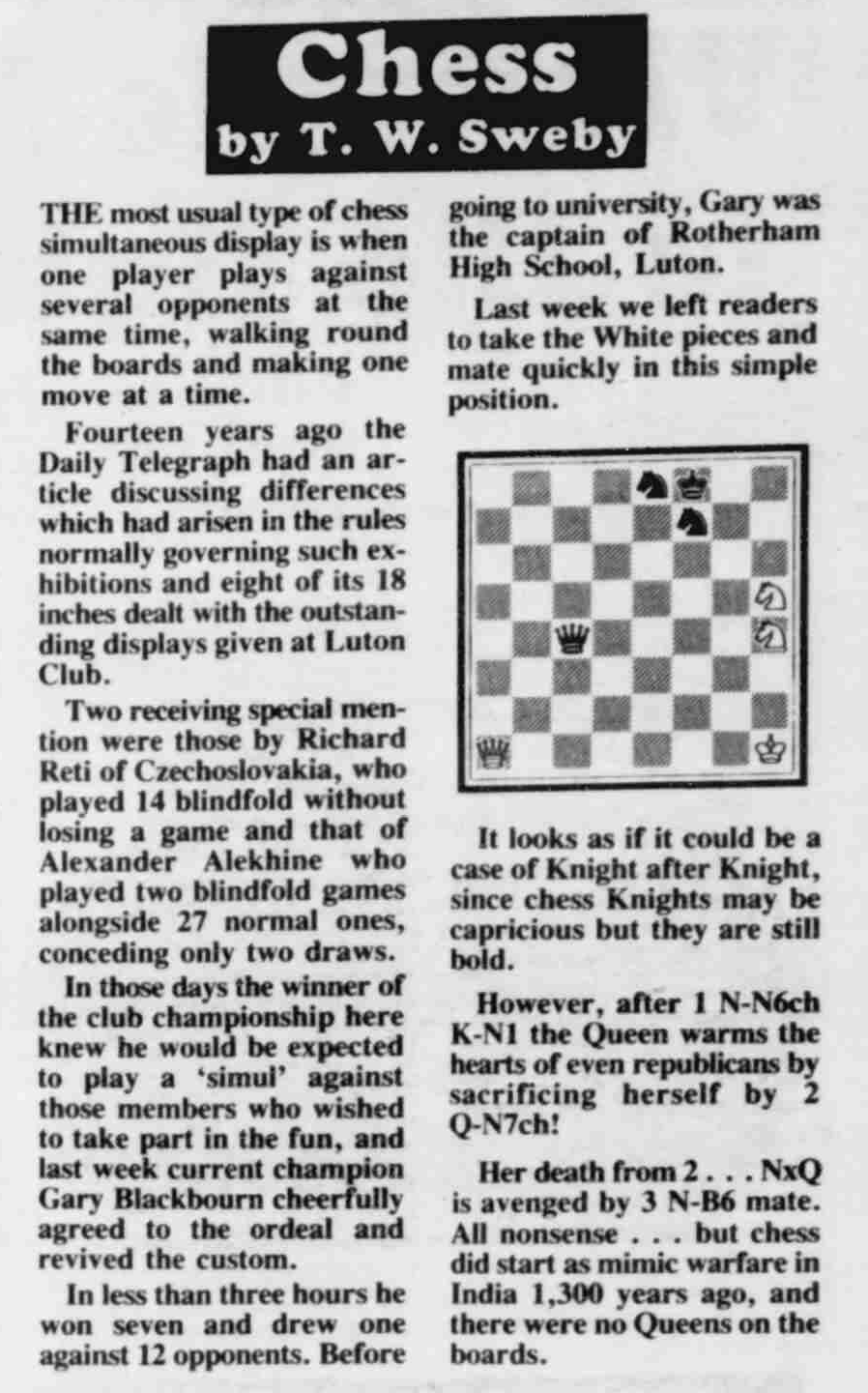


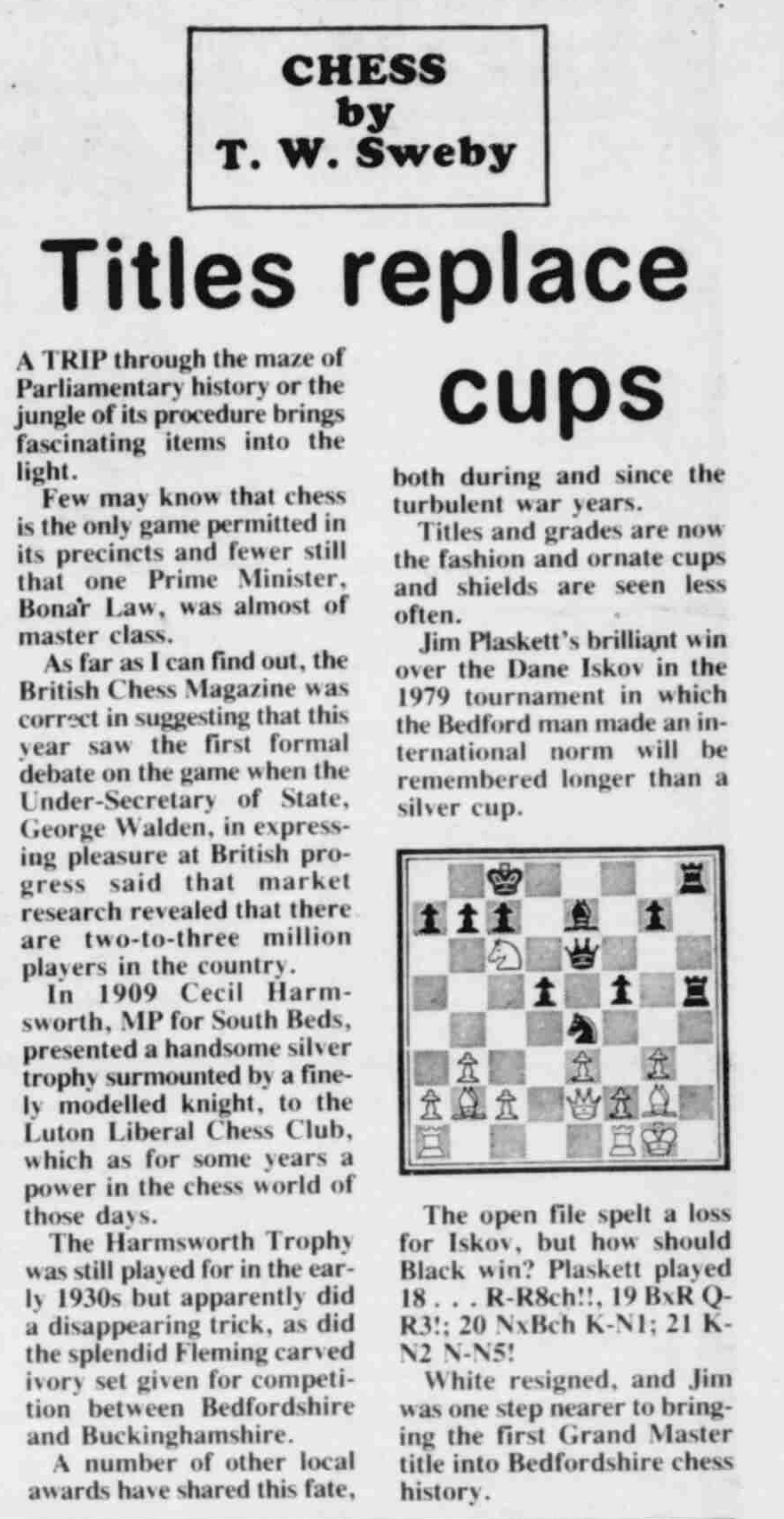
I feel obliged to comment here due to a lack of clarity. As Mr. Sweby knows all too well since he reported on him numerous, GM Sergio Mariotti played in the Beds. league in the 70/71 season. He was an IM at the time and went on to become a GM 4 years later. James Plaskett also was not a GM when he played in our league and became one afterwards in 1985. But since GM Plaskett developed as a player in Bedfordshire and played in our league for many years as well as play for Bedfordshire, he is perceived as homegrown talent. But strictly speaking, the first person to play in out league and go on to become a GM later was in fact GM Sergio Mariotti.





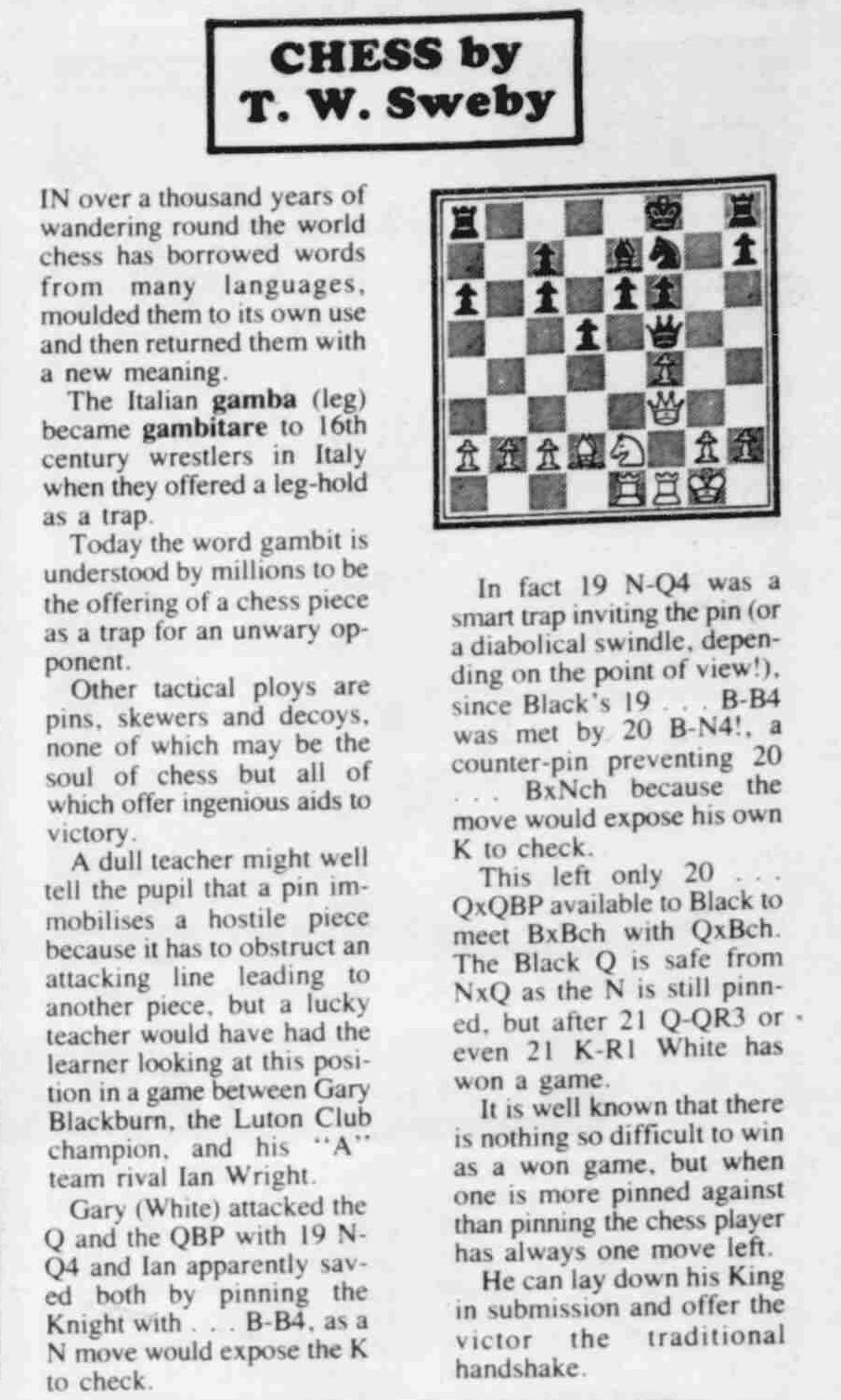







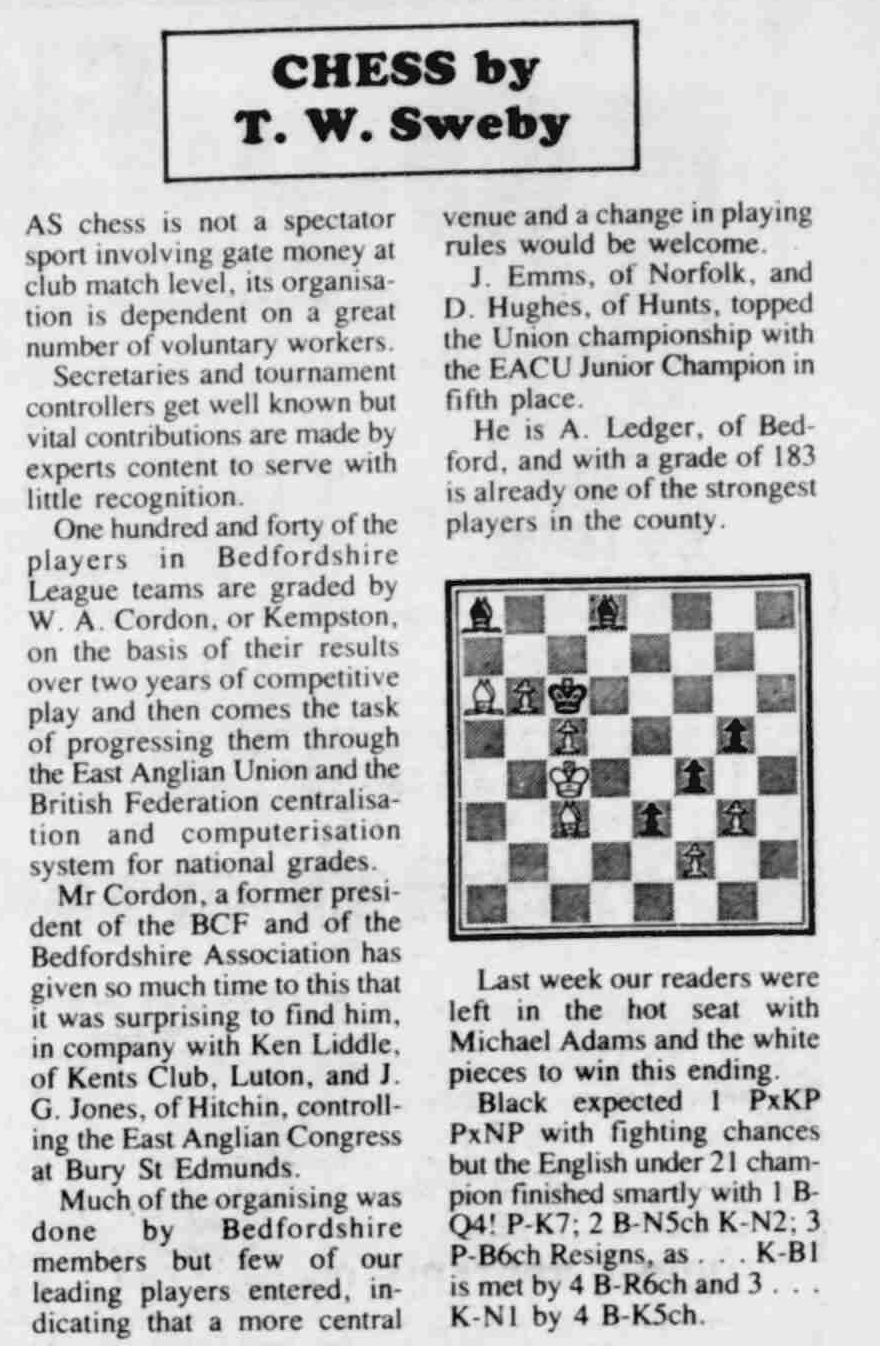


I have to comment here. As this website shows, no one but no one has put more effort into preserving Tom Sweby’s column than I have -not one single person on this planet has done more than I. Yes of course I used to know him personally and even called him up to borrow books once. Close friends were taught by him also. I know what his style is and what his limitations are. I hate to say it but he is sloppy as a writer and frequently lacks precision. In attempting to draw attention to great players who preceding those present I am quite sure Tom has made a rather embarrassing mistake. If an Irish champion had played for Luton before, I would already know. I have since done research and been in contact with more than one chess historian over the matter. There is no evidence anywhere to suggest this is true and Sweby never mentioned this before ever also. We had a Welsh champion yes, Donald Curtis. Why would he mention an Irish champion but then leave out a Welsh champion, whom he has reported on and knew personally? I suspect Tom simply got mixed up during the writing process and I can assure you, it was not the first time that happened, nor the last for that matter.



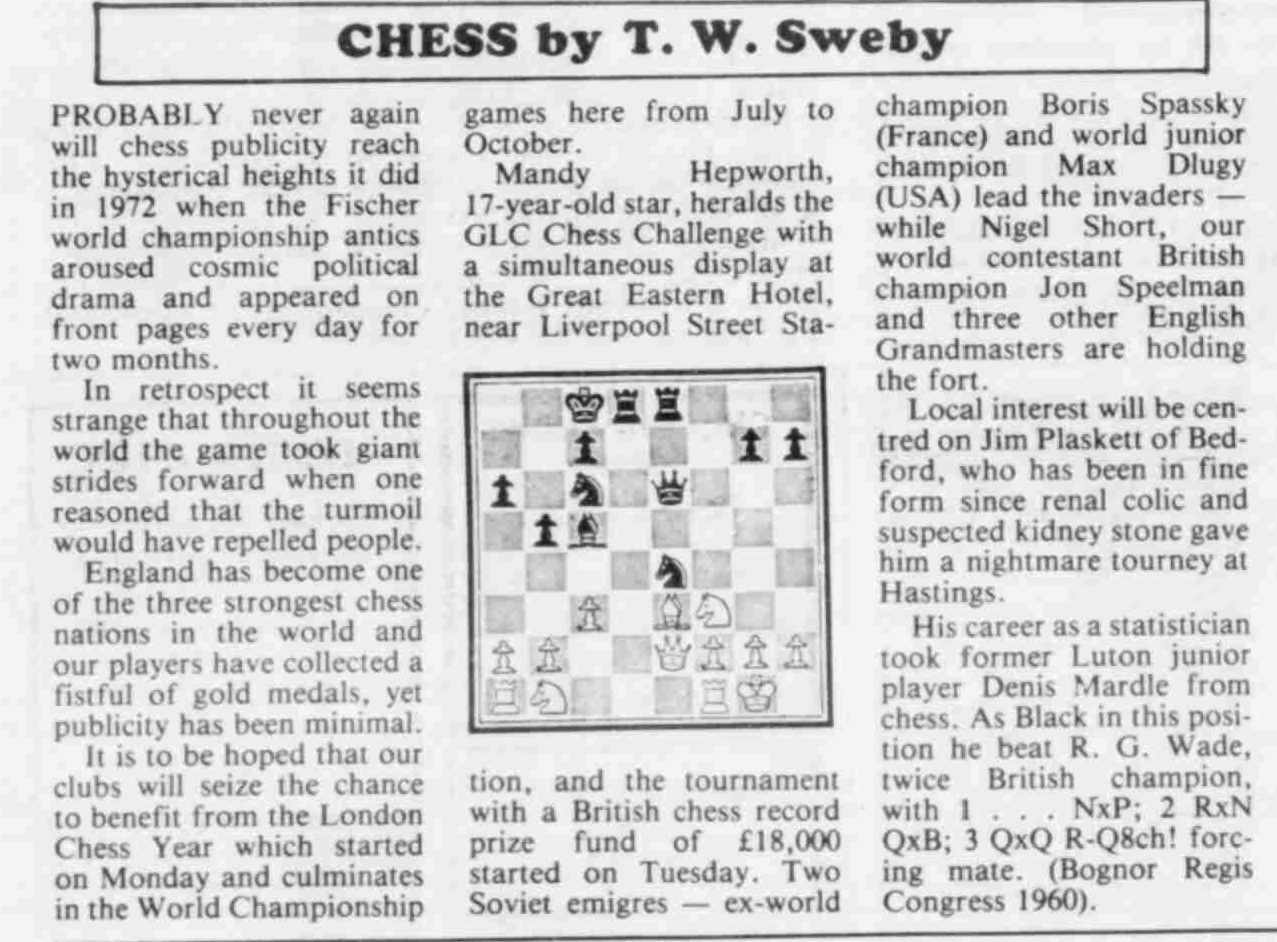


Posted in History of Bedfordshire Chess from 1980-2000 on April 26, 2024| Leave a Comment »
Back in the 2000/2001 season, Bedford proved they are the best in the land. They beat the more fancied Wood Green in the final of the National Club Championships, with the Ledger brothers in fine form. This is of course before the 4NCL took shape. Details can be found here: https://sccu-chess.com/archive/0001/nc.htm
In addition, I am once again indebted to Mr. Paul Habershon, long standing member of Bedford Chess Club for his first hand account of the match. The text below is his response to my query.

To the best of my knowledge, this is the only instance of a club from the Bedfordshire league becoming national champions.
Mark. J. McCready
Posted in History of Bedfordshire Chess from 1940-1960, History of Bedfordshire Chess from 1960-1980, History of Bedfordshire Chess from 1980-2000, History of Bedfordshire Chess in the 19th century on March 25, 2024| Leave a Comment »
…history as a constantly moving process, with the historian moving within it…
E. G. Carr – What is history? p. 153
Within the chess world, to compare players of different generations and eras is treated with suspicion, thus deemed inadvisable and ill-judged. This is not the time nor the place to delve into the very great many reasons why. It is not my intention to do so here, however, I do wish to draw attention to the point that the tendency to evaluate players purely in terms of their rating and title can be broadened oh-so-slightly.
I have recently posted regarding the strongest players to have played chess within Bedfordshire, on a number of occasions, and thought that it may be of interest to readers who are more interested in their world rankings, with questions such as ‘Who across time achieved the highest world ranking ever?’. Generally, I am reluctant go down this path for a number of reasons, primarily because I believe narrative should remain synchronic, however, I have done it anyway. I have added sufficient information so that mistakes regarding interpretation cannot be made so easily.
Number 1 – William Ward
Recorded playing in Bedfordshire 1896.
Highest ever world ranking 56 *Classified as unofficial as FIDE did not exist then (historically estimated).
Year 19041
Rating 2418
Number 2 – GM Sergio Mariotti
Recorded playing in Bedfordshire 1970/71 (IM at the time not GM)
Highest ever world ranking 90
Year 19752
Rating 2495
Number 3 – GM James Plaskett
Recorded playing in Bedfordshire 73-80 (approx.) (untitled until 1981)
Highest ever world ranking 100
Year 1985
Rating 2495
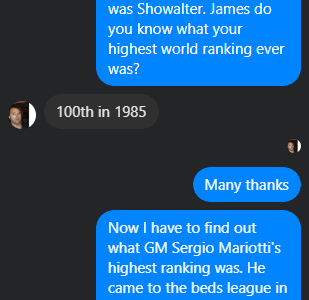
So there you have it, if you want to know who played in Bedfordshire and gained the highest ever world ranking, now you know.
The craving for an interpretation of history is so deep-rooted that, unless we have a constructive outlook over the past, we are drawn either to mysticism or to cynicism.
F. Powicke, Modern Historians and the Study of History (1955) p. 174
Mark. J. McCready
Posted in History of Bedfordshire Chess from 1940-1960, History of Bedfordshire Chess from 1960-1980, History of Bedfordshire Chess from 1980-2000 on March 15, 2024| Leave a Comment »
“The advantage of a bad memory is that one enjoys several times the same good things for the first time.”
F. Nietzsche
One day in the distant future, the times we live in will most likely be described historically as part of the 4th revolution, or the digital revolution, which shapes how we gain and store information, amongst many other things.
Even me the academic that once was, concedes we do things differently now to when I was young. Through social media and ‘chat’ I have acquired knowledge which in itself can be placed into a narrative for further discourse on the history of Bedfordshire chess -something very close to my heart.
My very own research has revealed that Dennis Victor Mardle was the first from Bedfordshire to represent England but was he the only one to do so? I contacted GM James Plaskett on facebook, this is what I sent via Messenger.

The reply James gave me was as follows:
CIR Benedict, 1979
Telex match Vs Iceland, 1981
Lucerne World Team Championship, 1985
GM Plaskett was, then, the second from Bedfordshire to represent his country, however, there is a difference. Dennis, the first, played for England in England in a national match once only whereas James, the second, represented England abroad in an international tournament, helping England to achieve the Bronze medal 1 upon his third appearance. With certainty we can say that GM Plaskett’s representation of his country is, therefore, of greater significance for our purposes. His games are documented, notably his victories for England can be found here 2 and here 3, and the tournament as a whole here 4.
Interestingly, James won both games with the Benko Gambit, the games are quite interesting.

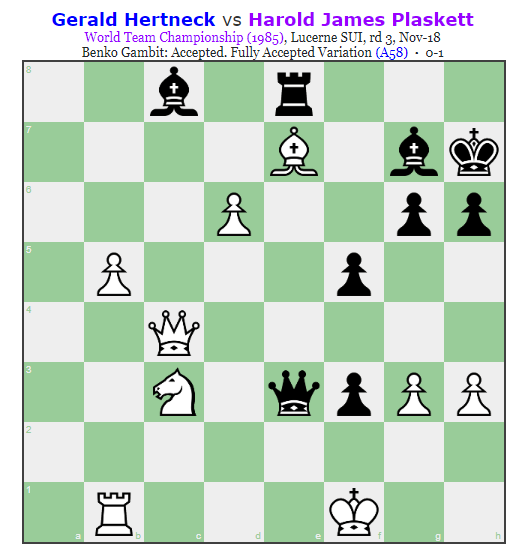
Should this not be enough to persuade you of my claims, I shall add also that as a senior, GM Plaskett went on to represent England 6 more times!
Dresden 3 times
Rhodes 1 time
Vilnius 1 time
Crete 1 time
Unfortunately, locating game information is proving tricky. I shall add when I find it… .
Mark. J. McCready, 00.05 Saturday March 16th, Al-Fursan, Dammam, KSA
Posted in History of Bedfordshire Chess from 1980-2000 on March 11, 2024| Leave a Comment »
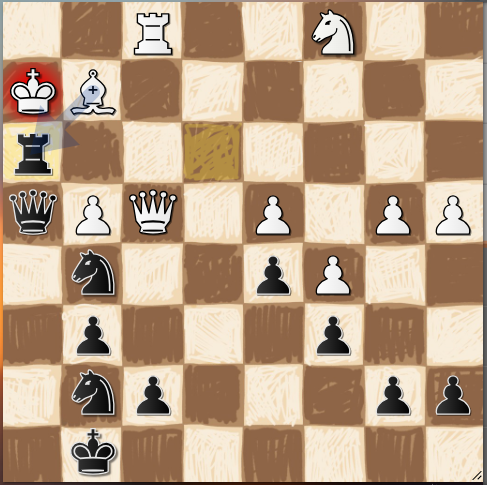
When the county first team won the minor section of the national county championships on June 20th 1992, IM Andy Ledger was on board 1 for our county. Courtesy of former team mate and county captain Kevin Williamson, I have procured his game as well as information concerning his opponent. The source can be found here 1, the scoresheet is below, it’s quite an interesting game.
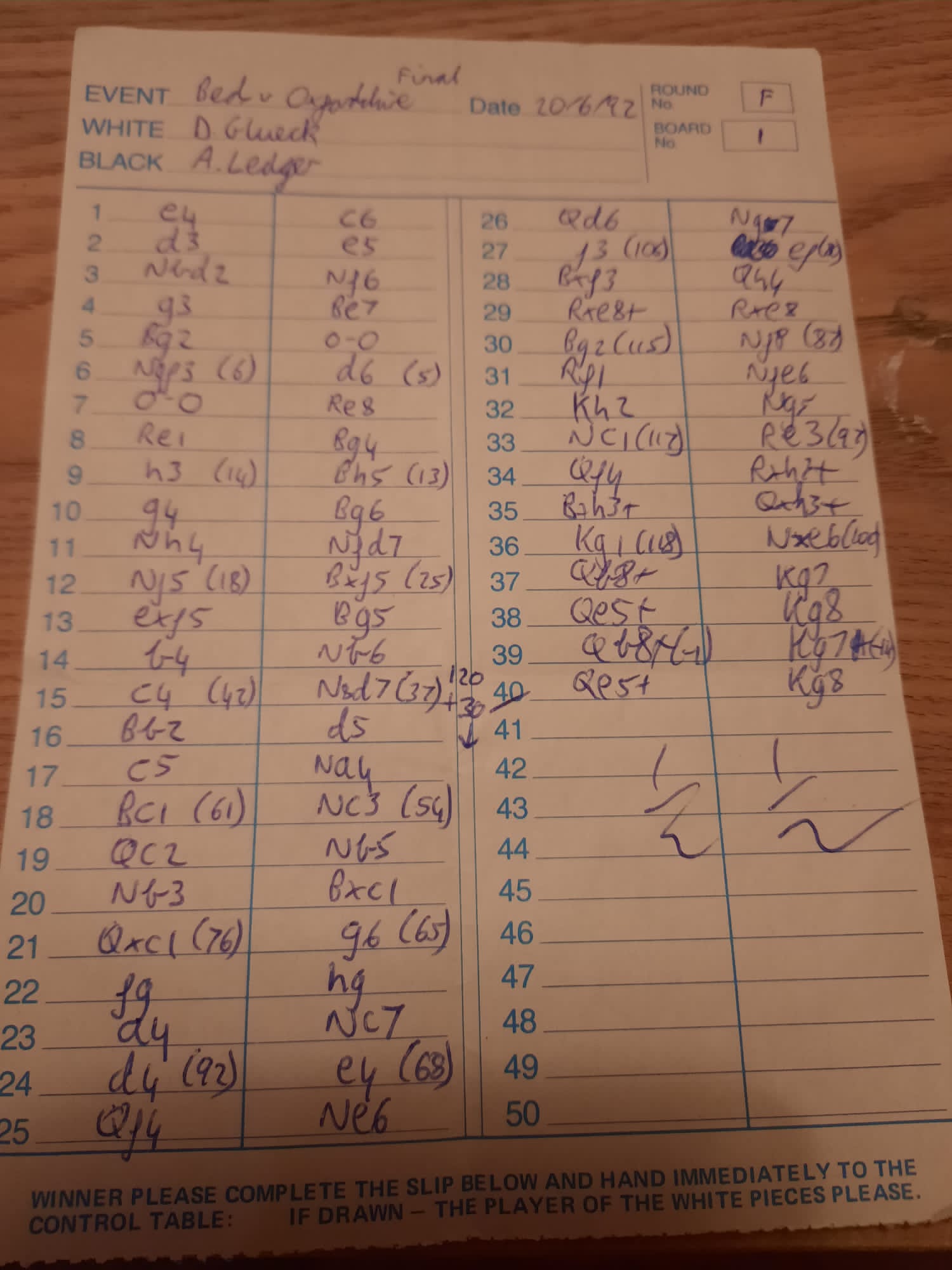
Let’s have a brief overview of a few positions:

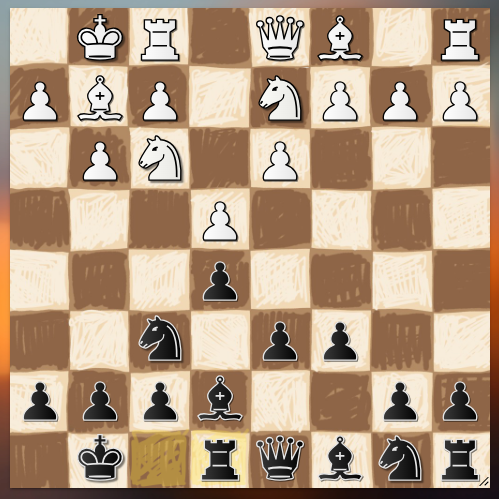
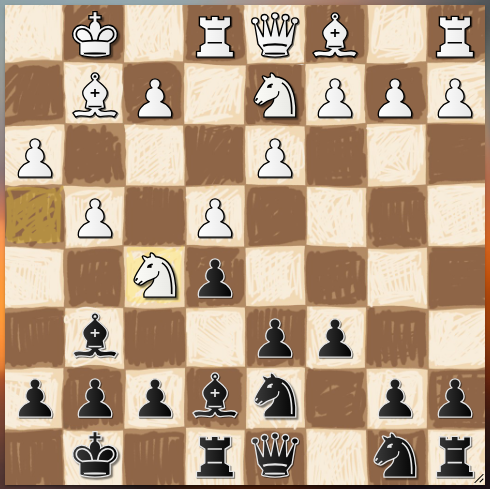

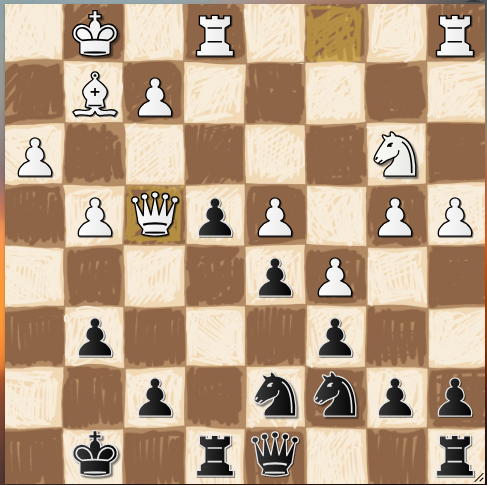

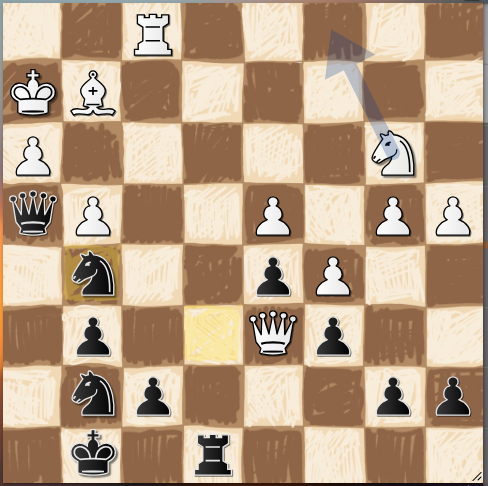

MJM
Posted in History of Bedfordshire Chess from 1960-1980, History of Bedfordshire Chess from 1980-2000 on December 22, 2023| Leave a Comment »
More than a few players who have emerged from the Bedfordshire Chess League have gone onto bigger and better things, GM James Plaskett being the most obvious example. That’s not exactly breaking news. But what about those who remained registered as a Bedfordshire based player and also achieved greatness in the modern era? Has anyone done anything of note against the very best? Oh yes indeedy.
So let’s take it from the top then. In terms of results, there is one that stands above all others. GM Michael Adams is considered to be the strongest player England has ever produced, usually because he’s won the British Championships more than anyone else (8 times), achieved a higher rating than anyone else (ELO 2761), was number 4 in the world for quite some time, and in 2004 reached the final of the FIDE World Championships, narrowly losing to Uzbek Rustam Kasimdhanov. What results do our players have against him? Has England’s very best ever lost to anyone in our league?
One GM Plaskett did beat him in a rapid in Leeds, 1986 but James wasn’t registered in our league then and had long since left it.
Two IM Andrew Ledger, whilst playing for Bedford, very nearly did in Hitchin 1990 round 2. I watched that game unfold closely. Andy was a piece up but fell into time trouble and looked visibly stressed from it to put it mildly. Sadly for us, he fell for a very clever back rank mate and lost the game.
Three FM Gary Kenworthy did beat him in a quick play in Spalding (location may be incorrect) 92. His comments on that game -courtesy of our online chat- are as follows: ‘…the won the world blitz title the month before -current BCM cover-I used the BCM to rest my scoresheet for recording the game -the title “mega bucks Mickey” he was 263 BCF, I was 213 BCF, so a rating more than 40 point difference – hence I only got +90 i. e. 303 BCF points not 313 BCF, next round – final round, I played GM J D M Nunn who was upfloated to me…he was in the world’s top 20’. Gary was participating in our league at the time for Milton Keynes, and so in terms of achievements for someone registered in our league, I don’t believe this can be beaten. I am sorry to inform you that at the time of writing Gary is unable to locate the game score. Should that change and it falls into my hands, I shall post it here.
MJM
Posted in History of Bedfordshire Chess from 1960-1980, History of Bedfordshire Chess from 1980-2000 on December 20, 2023| Leave a Comment »
Let’s go back to when chess exploded in Bedfordshire as it did across the rest of our beloved nation. Who were our top three players that decade? And just how good were they then?
In @ number 1 IM Sergio Mariotti (Vauxhall Luton)
According to Bedfordshire’s Paul Habershon, Sergio played in our Division 2 in the 1970-71 season. His brother Paolo also played in our league whilst he worked as an engineer in Dunstable. Sergio was a strong IM whilst he played in our league and became the first titled player to grace us with his presence. His tournament performances whilst in England can be found on Britbase here 1 showing he was rated ELO2520/240BCF that year. However, it should be pointed out that in the 1970/71 Grading List he is rated as 230, and ranked 3rd in the country.

In 1974 he went on to become Italy’s first GM, one year later in Milan he held world champion Karpov to a draw most impressively.2
I sent him an email some time back asking him what he remembered about his time in Bedfordshire. Sergio informed me that he was no longer able to remember anything about his life before his heart operation. None of his games in our league have survived.
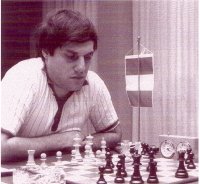
In @ number 2 James Plaskett (B.M.S)
James Plaskett was a pupil at Bedford Modern School and showed very serious talent there. So much so that when he entered the British Championship in Ayr 78 he went and finished 2nd! He drew with the winner Jonathan Speelman and even beat former British champion Jonathan Mestel along the way 3. This is the first instance of a player based in Bedfordshire at the time defeating a former British champion. By the end of the 70s James was still untitled but winning tournaments often and ranked 14th in the country. Here 4 he is rated at ELO 2410 and retained a presence in Bedfordshire still, entering local tournaments and performing simuls according to Tom Sweby.
James left our county around the end of the decade and went onto bigger and better things. In 1981 he became an IM, then in 1985 a GM. James went on to become British Champion in 1990, becoming the only player ever to emerge from our county to do so. He played amongst the very best in the world throughout the 80s and informed me that he has plus scores against the following GMs: Plus 6 Vs Wells, Plus 2 Vs Short, Plus 2 Vs Anand, Plus 1 Vs Vaganian, Plus 1 Vs Larsen, Plus 1 Vs Kamsky, Plus 1 Vs Ivkov, Plus 1 vs Sax. A most impressive win against Anand can be found here 5

In @ number 3 Michael MacDonald-Ross (Bletchley/Milton Keynes)
I asked GM Plaskett who was the strongest player he came up against in the Beds league and he informed me it was Michael MacDonald-Ross, who for the most part played for Milton Keynes (as I remember). Obtaining information on Michael has been more difficult than I anticipated, however, he can be found participating in tournaments such as the Lloyds Bank Masters in the late 70s, which show him as rated ELO 2265 6. In his youth he encountered Luton’s hotshot from the 50’s Dennis Victor Mardle at the 1965 British Championship, the result being a draw 7. Some eleven years later Michael defeated Rising star Murray Chandler at the British 8. Formidable yes and agreed upon as one of the very strongest in our league that decade by many who faced him.

So there you have it, comparative strengths in the 70s discussed. I put quite a bit more into that than it may appear and had to consult several prominent figures within our county to get answers, so I think I got it spot on. Many thanks to Paul Habershon and GM James Plaskett for their assistance.
MJM
Posted in History of Bedfordshire Chess from 1960-1980, History of Bedfordshire Chess from 1980-2000 on November 21, 2023| 2 Comments »
Bedfordshire chess history has greater depth than most, if not all, think. This is, primarily because its medium is oral history, and those who propagate that are usually uninterested in distinguishing factual content from mere gossip. Oral history, which pervades most counties in England is more entertaining than it is reliable, and of course, it will forever remain an anachronism. Our county has previous members who were prominent in their day. It’s not quite correct to say they have been forgotten about, its more so that no one has written about them. Well, that’s my job. One of those is a certain Colin Garwood. On a national level, he first established himself at the British Chess Championships in 74 as a junior. It would be approximately correct to describe as one of those who emerged out of the English Chess Explosion, which due to an uncritical attitude towards journalese, was mightily impressed and influenced by nut job Bobby Fischer. If we understand Colin in terms of the movement he was a part of, it should not be surprising to find that he is never written about, despite the fact that he was exceptionally strong. How strong was he? Leonard Barden arranged a simul in 1982 where the top 20 juniors in England got to play the then world champion Karpov, Garwood was one of them, rated approximately 200. Given the nature of chess culture in England, he was mostly overlooked and not considered exemplary in anyway. But for those of us from Bedfordshire, this game is significant because its the first encounter of one of our own against the reigning world champion in the modern era.
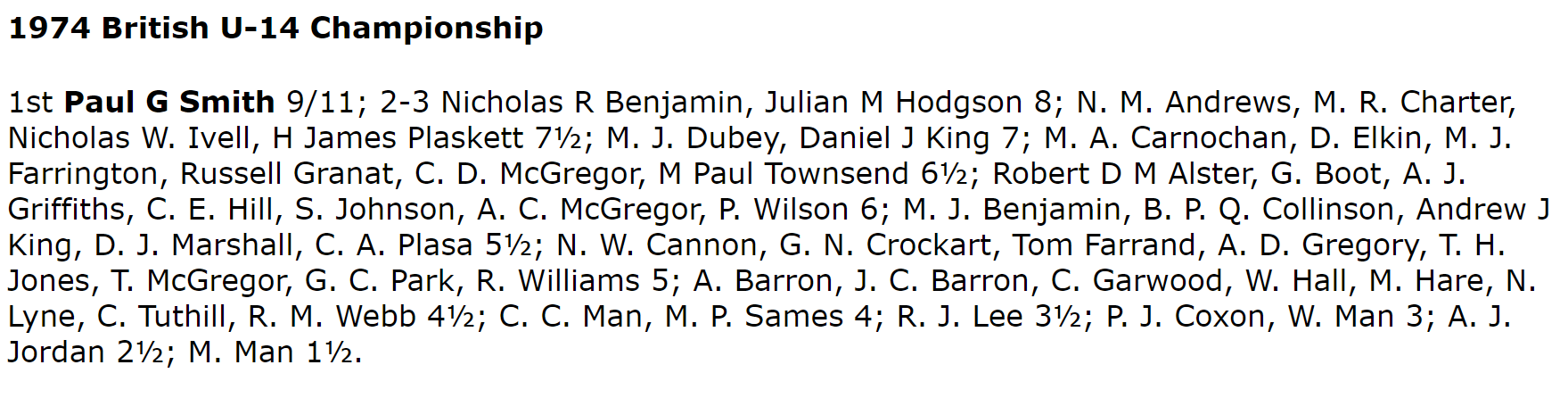
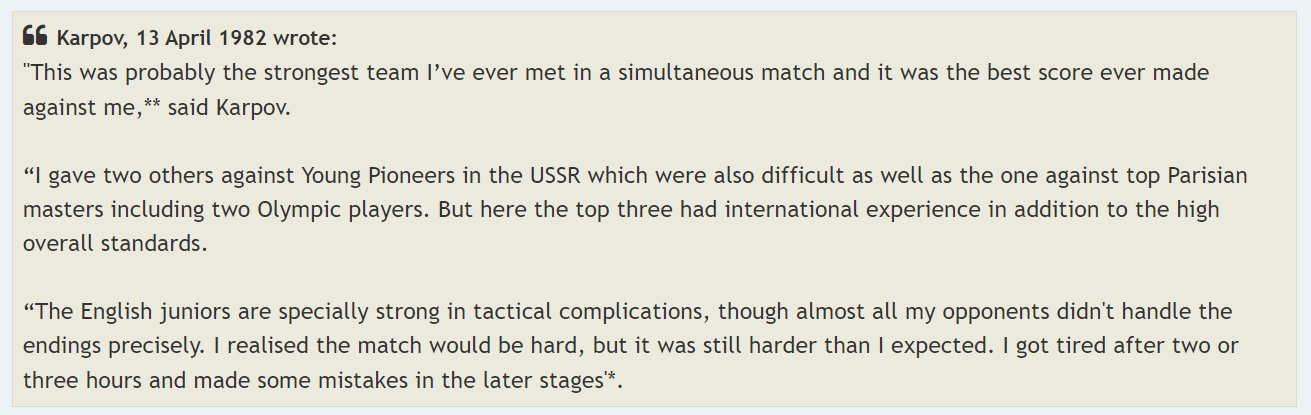

With regards to Dunstable based Colin Garwood he held his own but when only a few players were left, having to move much more quickly put him under pressure and as a result he made a mistake in the endgame. Well that’s my interpretation, here’s his:


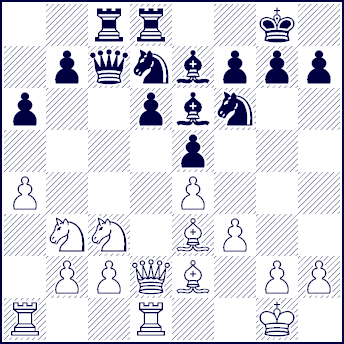
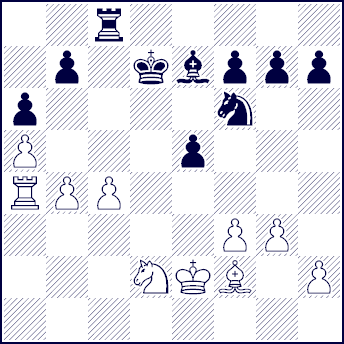


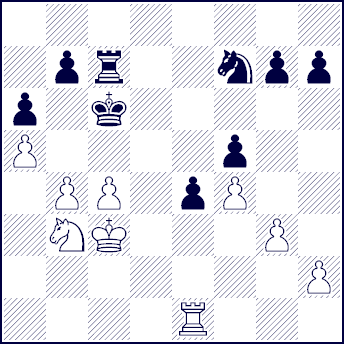
Colin informed me that he one of the last few to finish, reportage of the simul can be found below.


A side note on how to read old Tom Sweby's columns
Not perhaps, but quintessentially, Old Tom Sweby is best thought of as a passionate devotee to the newspapers he wrote for. He was well read and knowledgeable of the Bedfordshire chess scene and well beyond, given that he was the president of the S.C.C.U. once upon a time. He was generally well-respected and rubbed shoulders with many, if not all, of those eminent within British chess circles. It would, however, be a critical mistake to see his column is primary source material entirely. That it is not. You will also find secondary source material quoted too, and the reliability of that is not quite as Tom hoped. Given that he wrote for decades, this is to some degree inevitable, and after all we are all prone to error whether we realize it or not. Thankfully, with regards to old Tom Sweby, they are infrequent and for the most part old Tom continued to document events and developments in the Bedfordshire league from the get go as best he could but, of course, everything lies open to interpretation. Despite this, and generally speaking. this does indeed make him informative and thus worth reading. Dare I say his columns constitute a narrative describing the latest developments, match reports and changing nature of the Beds league...he knew his audience and wrote according. This manifested itself over decades but brevity was always in play courtesy of the restictions imposed by writing a column. Should you wish to read a in instrumental figure of the Beds' league post WW2, you are quite welcome to peruse what has been posted here... . :-) I should, however, point out that as the decades wore on he gradually moved on away from narratives concerning the Bedfordshire league towards affairs both historical and international. The reasons for this are multifarous, old age was a predominante factor presumably, however, the bottom line is with regards to how the Bedfordshire chess scene developed post WW2: old Tom Sweby is your go to guy. He wrote more about chess in Bedforshire than anyone else did but given he was a Lutonian and writing for a Luton newspaper there is both bias and greater coverage of his hometown than the rest of the county.
















To add comments, please see the bell at the top of the page.

