Archive for the ‘Quaint Chess History’ Category

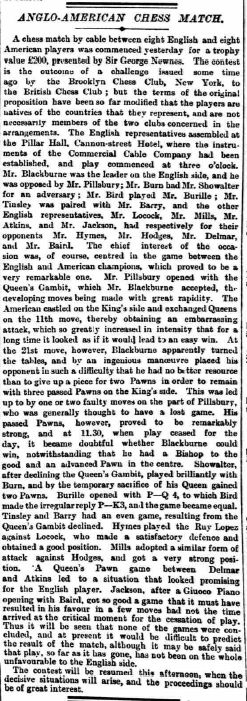
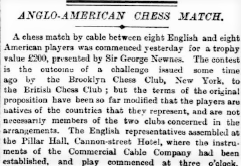
As I am learning, the Anglo-American cable matches which began at the end of the 19th century and lasted for fifteen years or so are much more of a challenge to research than I first thought. Cable matches were well in place by the time they started, and the original idea begun with developed significantly by parties on both sides of the Altantic and remained a source of constant revision throughout. It’s a thesis in itself and I’m sorry to say but I can’t dedicate myself to something of that size. What I can do is post some of the preliminary findings, which should give a sense of how news of it was handled in its day. Although I’ve established how the cables were laid and consisted of, that’s a separate topic altogether so I won’t be going into that. I thought it best to go to the source and establish how it began in the first place. It would appear there was a benefactor in place from the outset and that he was a distinguished and larger than life character, his name was Sir George Newnes. Although information can be found about him on wikipedia, it is inadvisable to refer to that for it is inaccurate and erroneous on a number of important points. It is safer to read the article on him in the Oxford Dictionary of National Biography if you can.

To begin with, the reportage below is from The Morning Post March 14th 1896.
MJM
Read Full Post »

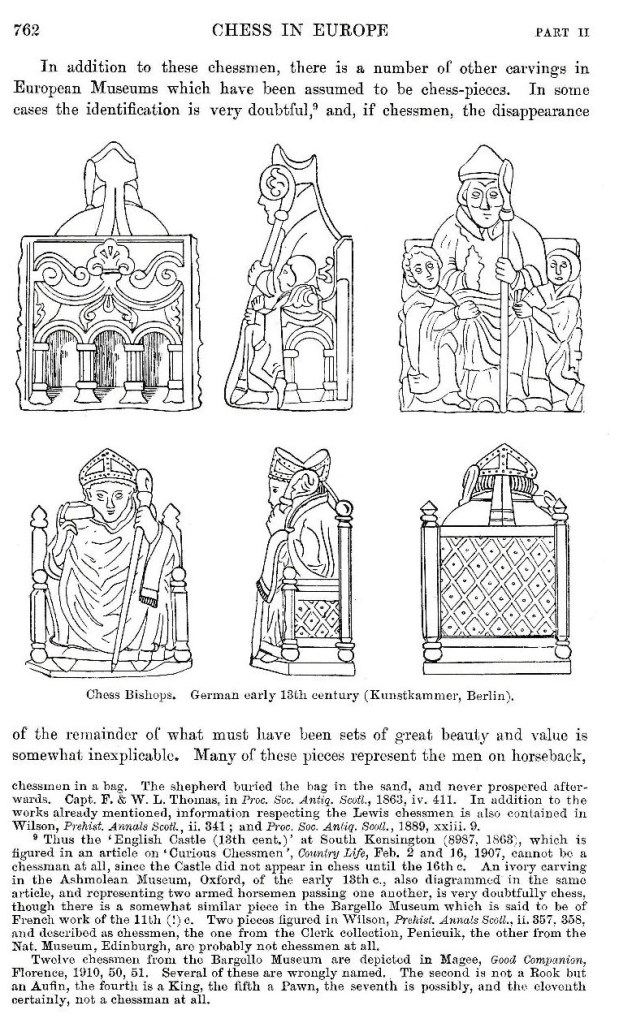
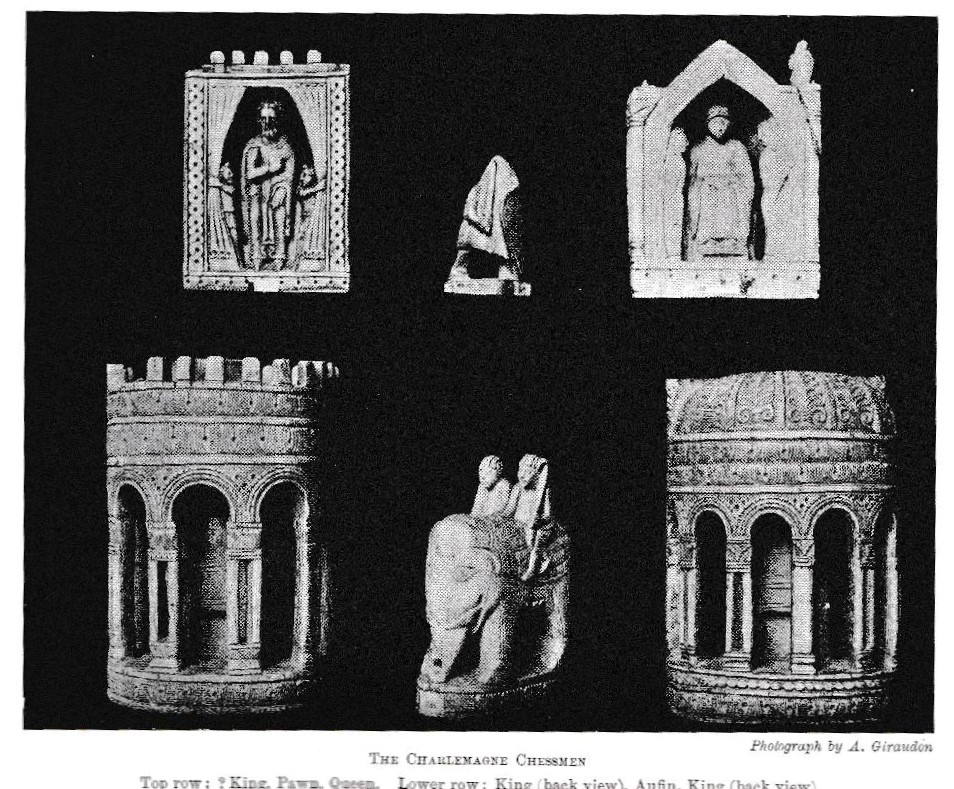
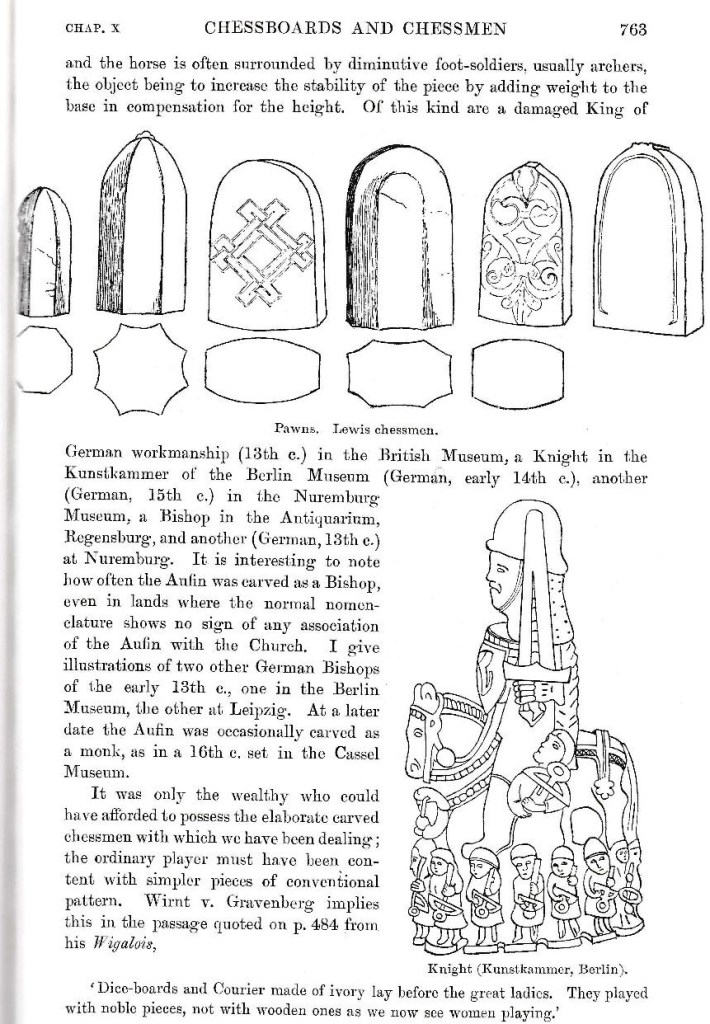
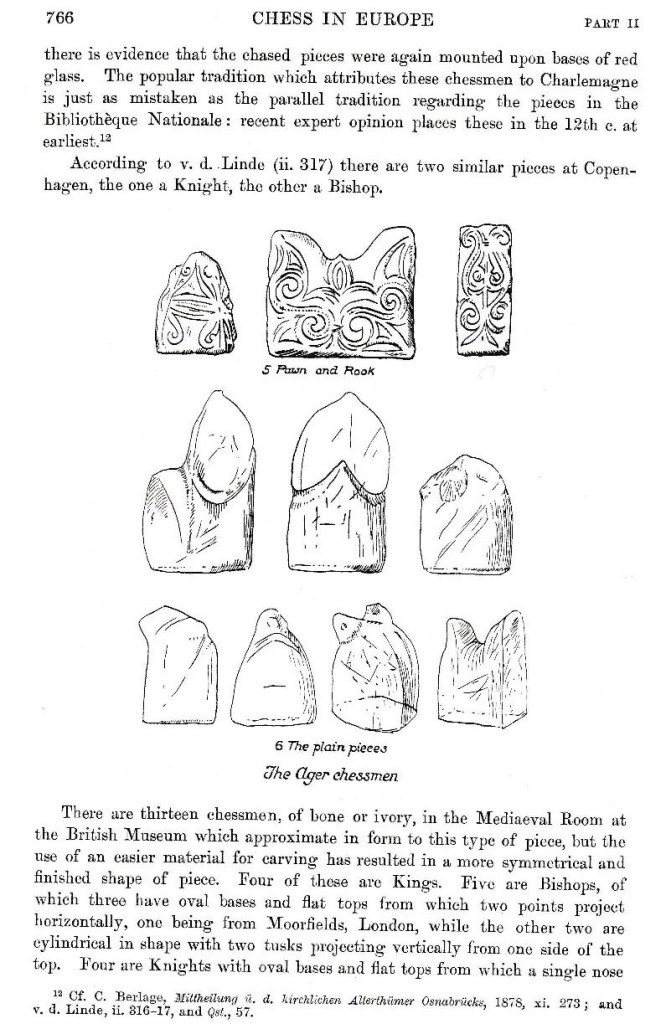
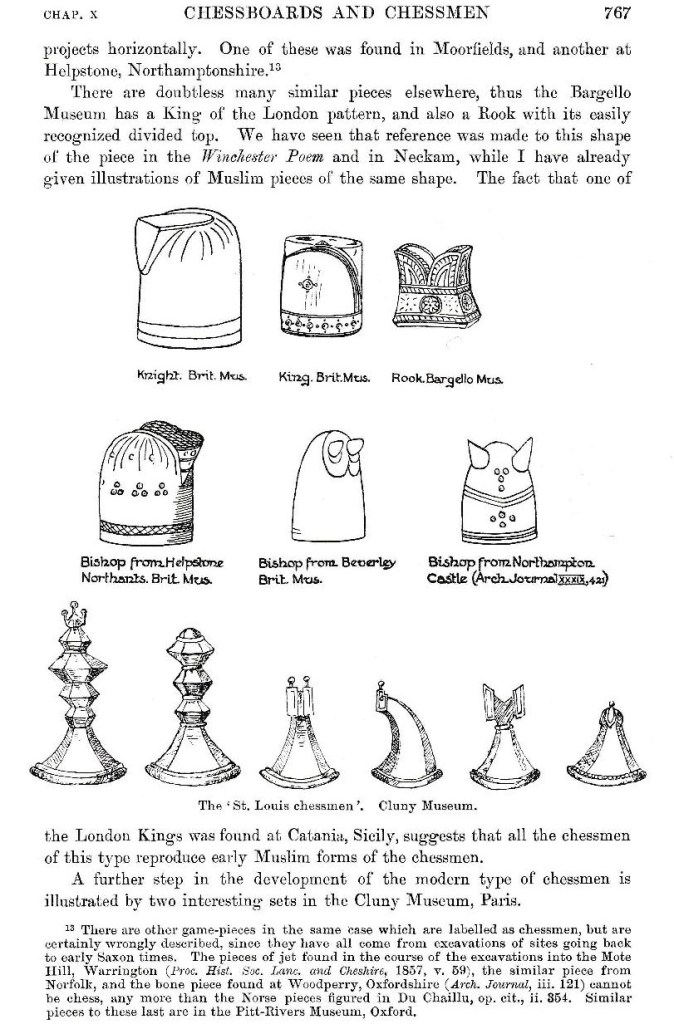
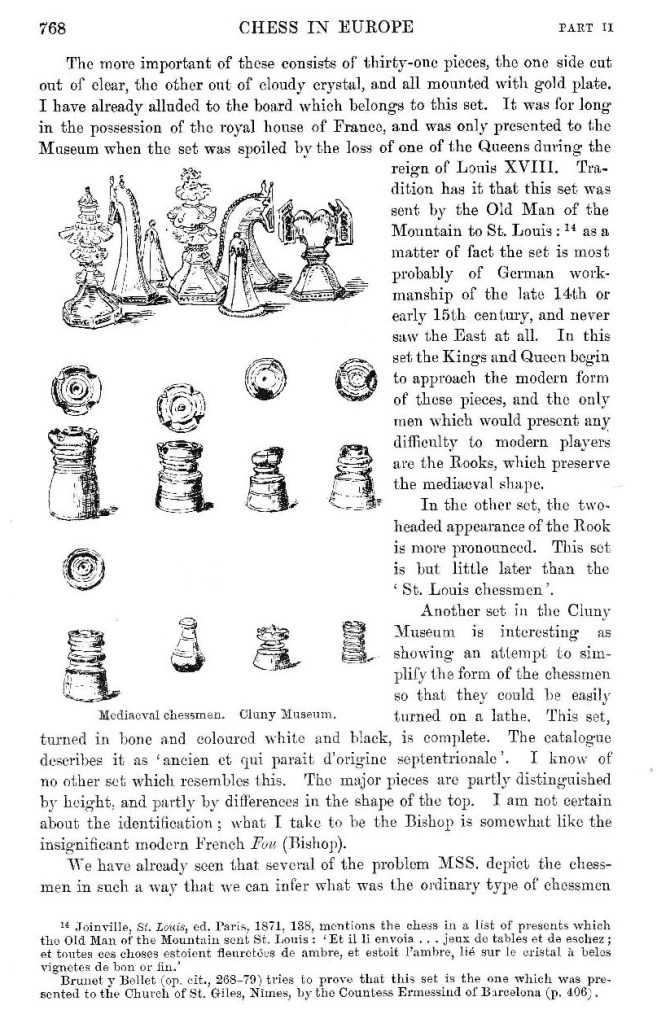
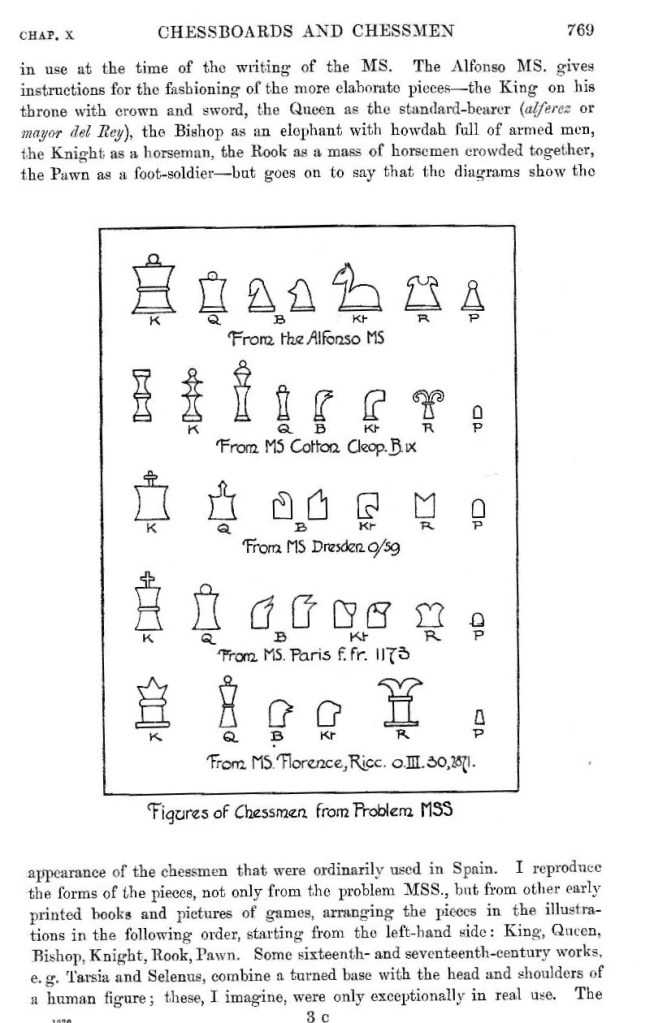
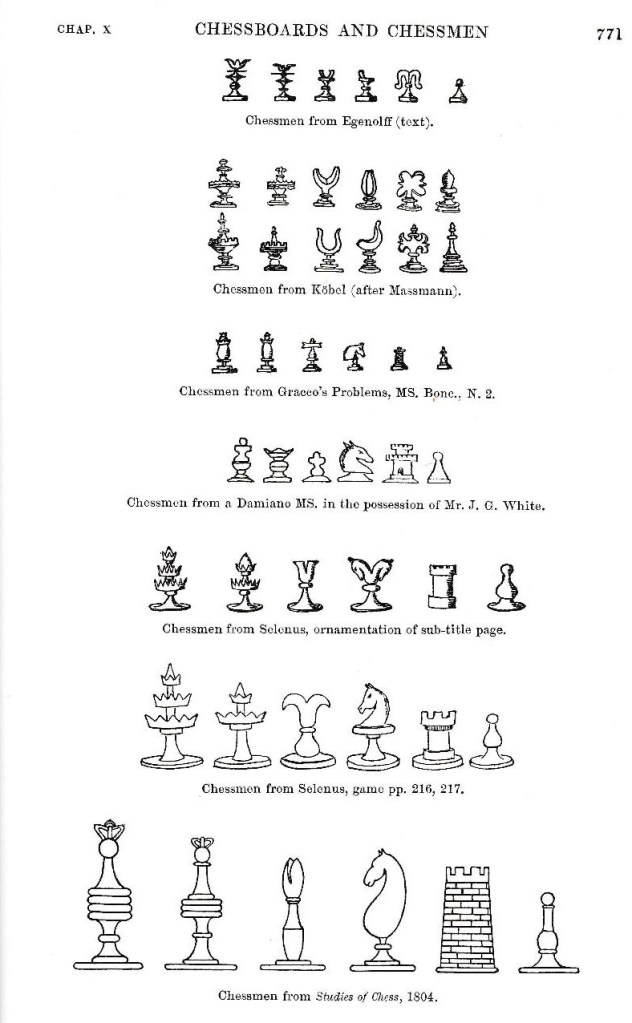
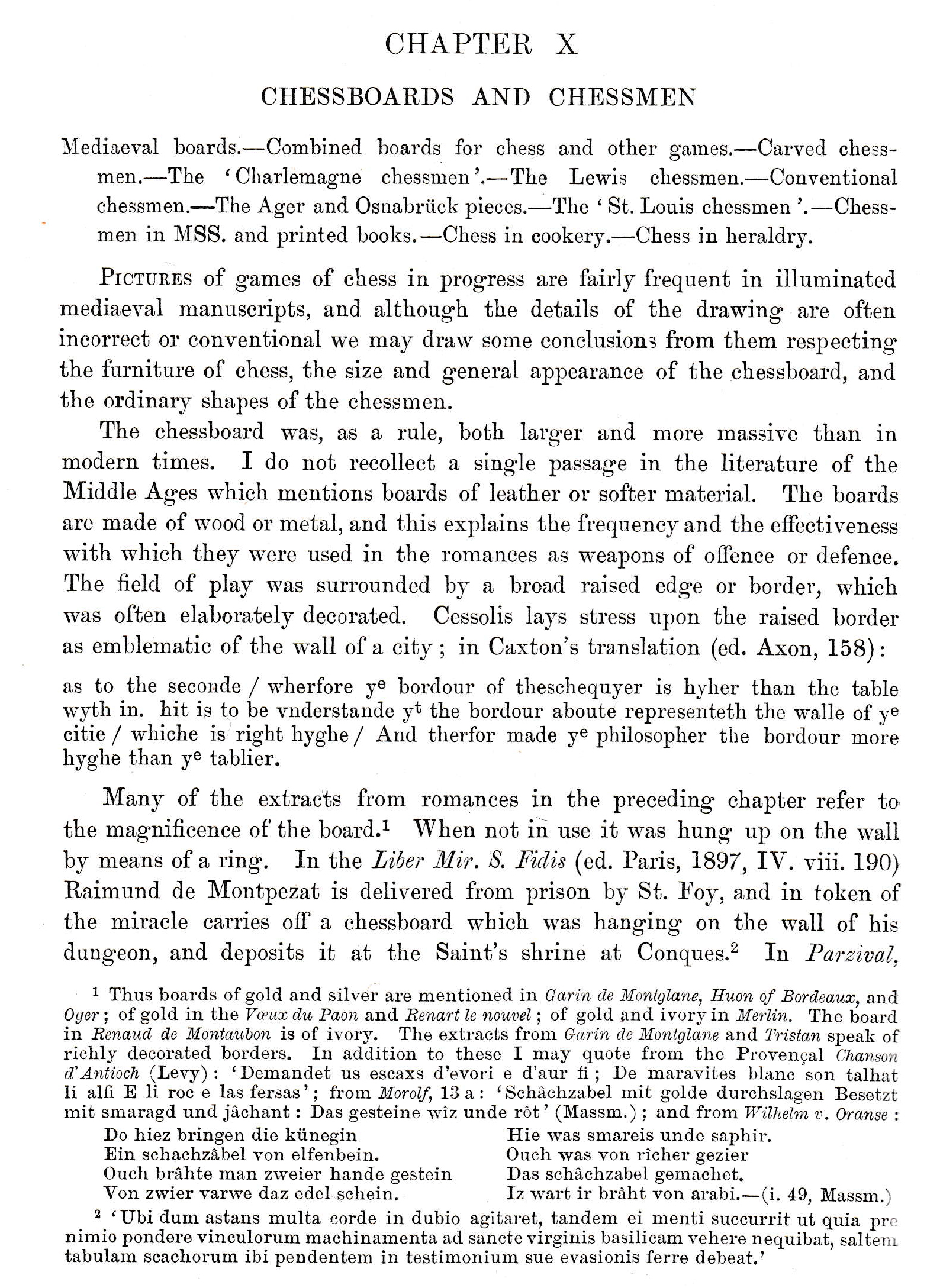
Rather antiquated? Yes. Rather difficult to read critically? Yes. Rather inconclusive in places? Yes. Rather lacking in methodological procedure -most certainly. Rather interesting in part -indeed. Here’s Chapter ten from H.J.R Murray’s ‘A History of Chess.

Murrarychap10-1

123s su

Read Full Post »

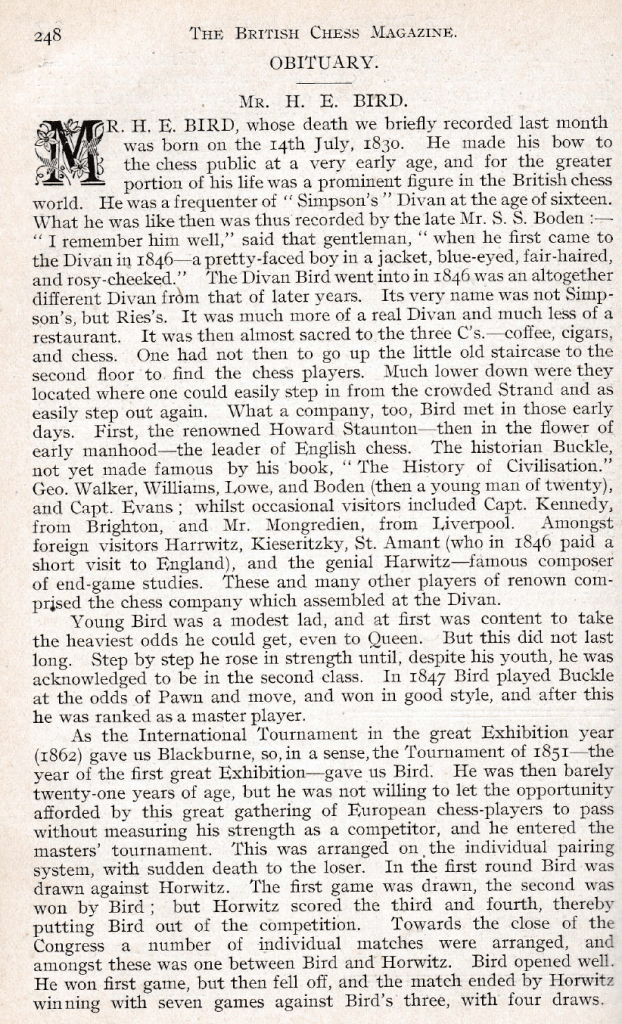
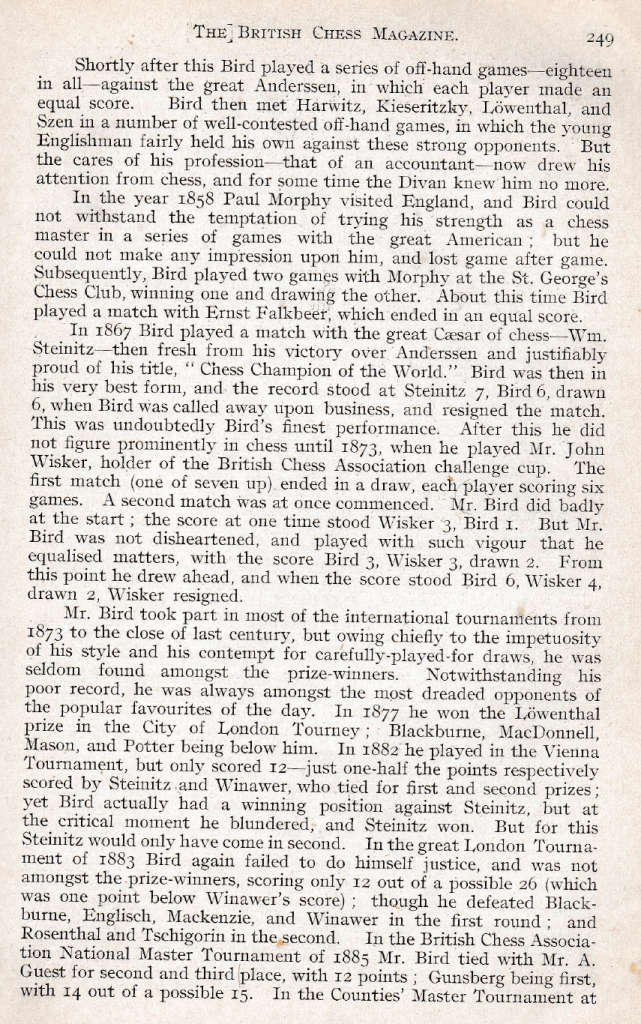
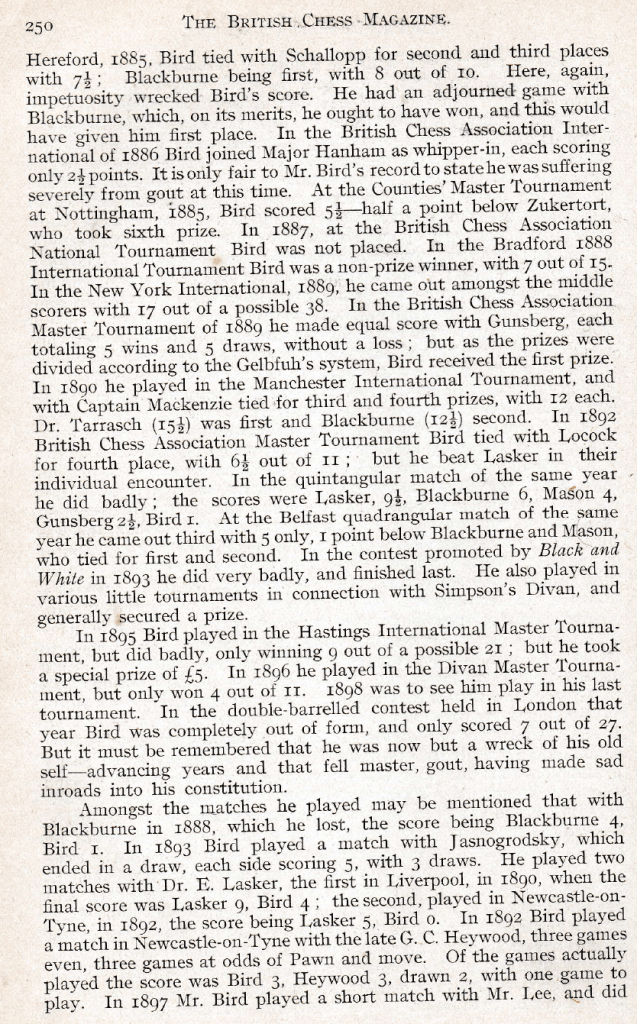
H.E.Bird

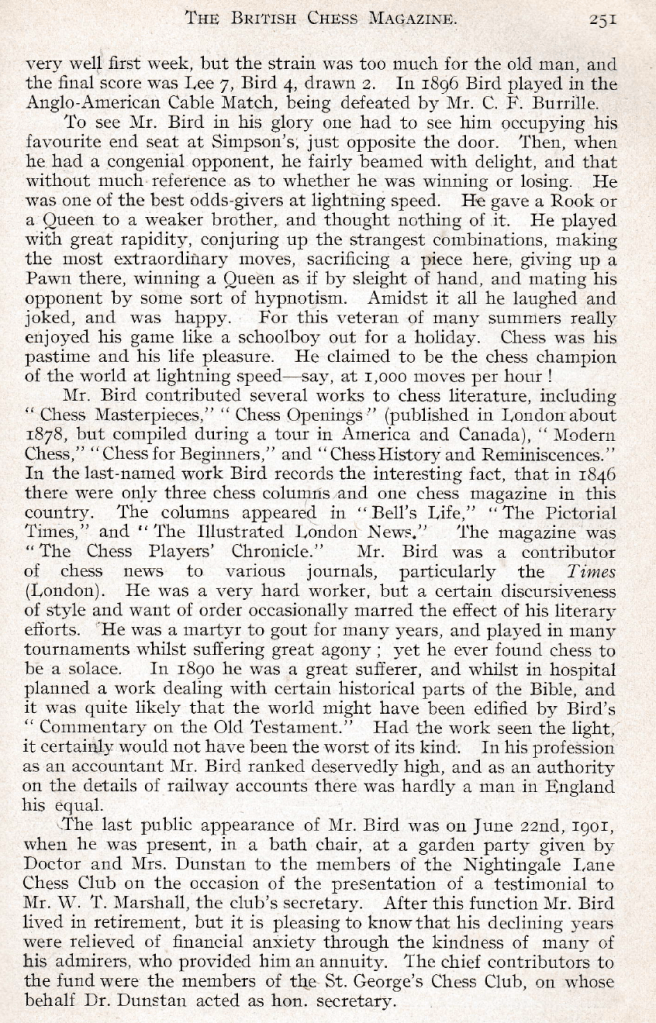
What is an obituary: it is a composition of achievements written for the profit of the publication it it sold in. As you would expect, before academia began professionalizing itself, the history of the deceased here offered is threadbare and has an unpleasant otherworldly charm about it. The death of H.E.Bird can be found here in the 1908 version of The British Championships.

Why do we repost obituaries? Sentimentality? Yep, I played 1. f4 for most my life and even played Bird’s line in the Lopez. That man means more to my own opening repertoire than any other player, and most certainly more than whoever wrote that archaic trollop which says almost nothing about his life and character as a human being, as the magazine’s readership requested.

Henry Edward Bird. Born July 14th 1829, died April 11th 1908…so it is claimed.

‘Jürgen Habermas’ (and his) obituary to friend and philosopher, Richard Rorty

One small autobiographical piece by Rorty bears the title ‘Wild Orchids and Trotsky.’ In it, Rorty describes how as a youth he ambled around the blooming hillside in north-west New Jersey, and breathed in the stunning odour of the orchids. Around the same time he discovered a fascinating book at the home of his leftist parents, defending Leon Trotsky against Stalin. This was the origin of the vision that the young Rorty took with him to college: philosophy is there to reconcile the celestial beauty of orchids with Trotsky’s dream of justice on earth. Nothing is sacred to Rorty the ironist. Asked at the end of his life about the ‘holy’, the strict atheist answered with words reminiscent of the young Hegel: ‘My sense of the holy is bound up with the hope that some day my remote descendants will live in a global civilization in which love is pretty much the only law.
― Jürgen Habermas

Mark.J.McCready

Read Full Post »

F. Dickens who co-authored the only book ever written about chess in Bedfordshire is always described as a Schoolmaster from Kensworth. I cycled through there last weekend and took a picture of the only school it has, and what was his place of work during the 1930’s.

Read Full Post »

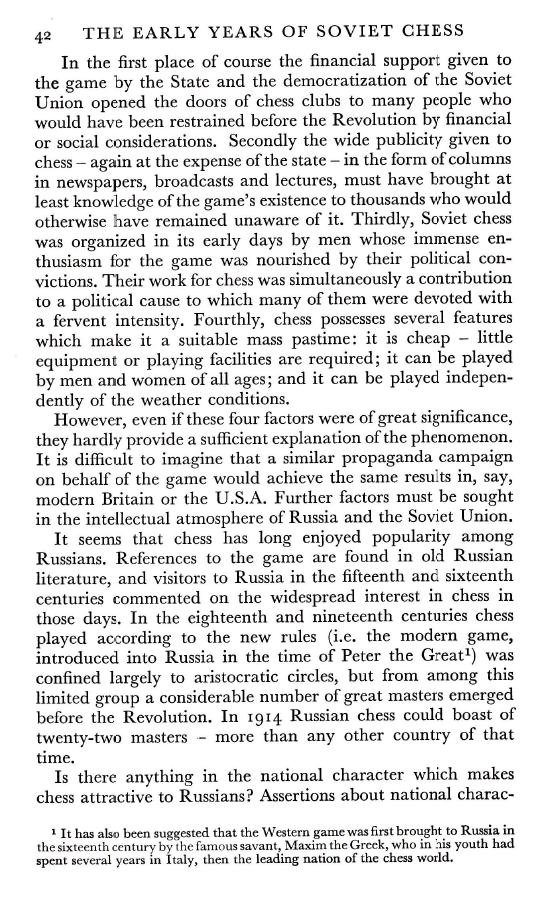
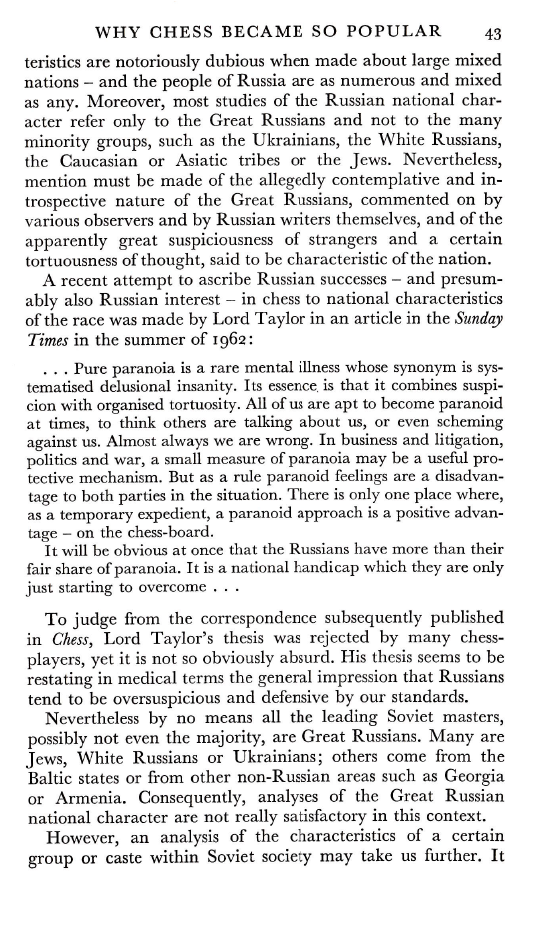
According to D. J. Richards in his noted text ‘Soviet Chess’ (1965), whose presented mode of history would not stand up in our post-modern world, there are two things we can jot down regarding Soviet chess history in the early 50s but don’t ask me which is more surprising: more than ‘100,000’ ‘from the countryside’ competing actively or that chess was not part of the national curriculum in schools (up to time of publication of course).

richards8

Page 89

richards9

page 90

richards10

Page 91


Read Full Post »

I could cycle from Bedfordshire top to bottom inside an hour with ease (and that’s with a break in between) before heading into Hertfordshire and beyond at my fittest.

In the forties, after the war there was little chess action until the Bedfordshire League resumed in 1945. Its a bloody good thing that upon its a resumption, the teams in the Beds. league were from Bedfordshire. Bletchley, who in 1975 would become Milton Keynes, were thankfully decades away from thrashing joining us still. I’ve just seen the team they fielded against poor old Oxford University, As you may know during WW2 the codebreakers working for the government were employed there, several being former British champions. The official line was that Britain’s greatest mathematicians were in great need to save our nation against the supposed ‘terrible threat of the nazis’.

Unofficially, the chess playing collective sat around all day playing blitz and smoking cigars, then at the day’s end they would take a quick glance at a few Japanese ciphers before wandering off to the nearest drinking establishment where they would consume too many pints of ale and punch a policeman on their way home, as was customary in those days (and today too come to think of it).

A dumbed-down British attempt to document Bletchley Park came out recently called ‘The Imitation Game’…I couldn’t watch it all so can’t comment but I did notice it exuded a level of flatness and mediocrity that British films typically suffer from, and the exemplification of the code-breaker machines was laughable to say the least.

The Bletchley team on the 2nd of December 1945.

1. C.H.O’D Alexander 2. H. Golombek 3. Dr J.M. Aitken 4. Dr I.J. Good 5. N.A. Perkins 6. Sgt. Jacobs (US Army) 7. Sgt. Gilbert 8. M.A. Chamberlain 9. P.J. Hilton 10. W.R. Cox 11. D. Rees 12. Lt. A. Levinson (US Army)

I suspect it would have reemed whitewashed every Bedfordshire team of its day and kindly asked to find alternative arrangements.

Read Full Post »

The American Rex Sinquefield, courtesy of his untold riches, has made St. Louis, Missouri the chess capital of the USA world according to the BBC http://www.bbc.com/news/magazine-36257742. How long that will last we don’t know (probably not long) nevertheless for the time being he is certainly making things happen.

We all enjoyed the Kasparov Blitz Challenge and whilst on youtube I noticed that a channel dedicated to the efforts of our American friends has appeared with some lovely content. All-round nice guy GM Yasser Seirawan, who as well as being a great player is also a great commentator, lectures for us. His history is solid enough in its employed role and the chess, as you would expect, is there to be enjoyed. I took great pleasure in watching the following, having just read Botvinnik’s ‘Achieving the Aim’. If you want to see how much chess has changed at the very top level since the 50s, this makes for good viewing.

Read Full Post »

The ideas of the ruling class are in every epoch the ruling ideas: i.e the class which is the material force of society, is at the same time its ruling intellectual force. The class which has the means of material production at its disposal, has control at the same time over the means of mental production, so that thereby, generally speaking, the ideas of those who lack the means of mental production are subject to it.

Marx and Engels, The German Ideology, quoted by A. Giddins, The Class Structure of the Advanced Societies, London, Hutchinson, 1981 p.29

richards7

D. J. Richards, Soviet Chess, pg. 13, 1965, OUP

richards6

D. J. Richards, Soviet Chess, pg. 17, 1965 OUP

With some relief I am enjoying D. J. Richards’s (the former Exeter champion from the 60s and Russian lecturer at Exeter University) engaging narrative on Soviet Chess. When a publication is out of print for so long it can be a trifle difficult to establish why and whether the book is worth a read. But Richard’s Soviet Chess is considered by the informed few to be a seminal publication, and rightly so.

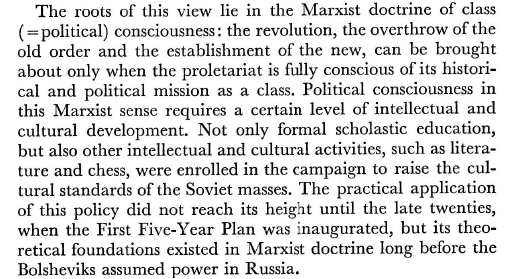
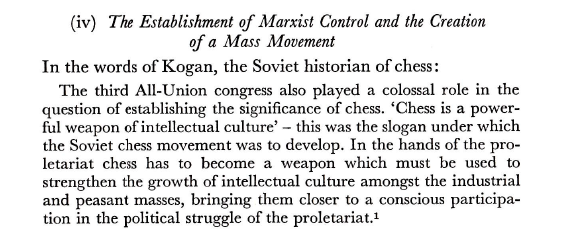
Here’s an example of his writing. I do need to add that it is the conclusion to the first chapter, and is hence an elucidation of points previously made. At present I have every single book ever written in English on Soviet Chess, and many of the biographies and autobiographies of its most noted practitioners too, Richard’s detailed account of Soviet Chess in the 1920s presents a more persuasive account than anything I have read so far.

richards1

richards2

richards3

richards4

richards5Lastly, to understand the cultural and political developments that the Soviet Union underwent in its early years as a nation, you must of course, go beyond chess literature. I don’t recommend that you watch one of the many documentaries for help as they are often superficial and pummel you with glossy oversimplifications. I suggest that you start with the talented American Scholar Dr. Mark Steinberg his publications are all rich in insight. Also, it goes without saying that you must consult Noam Chomsky, and to do this you need only go to his great site https://chomsky.info/.


Read Full Post »

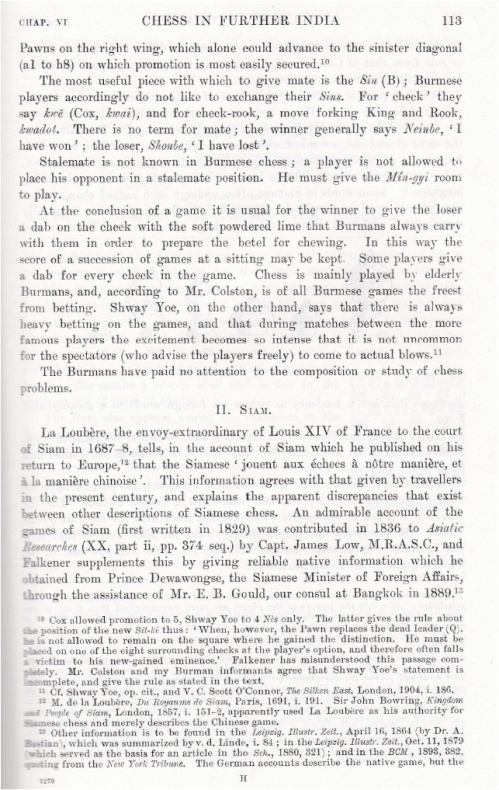
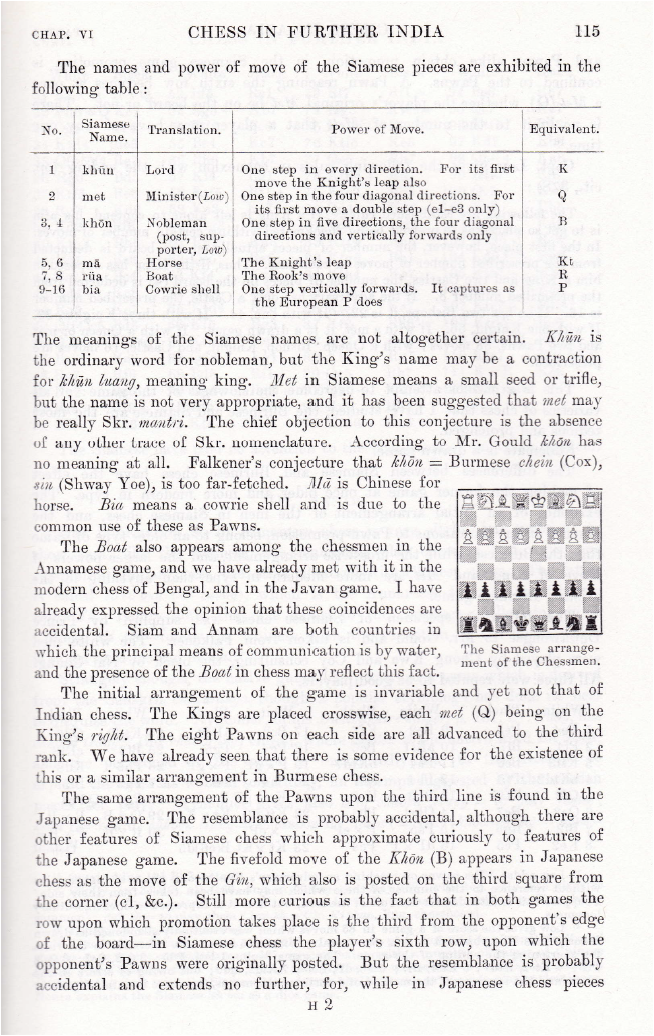
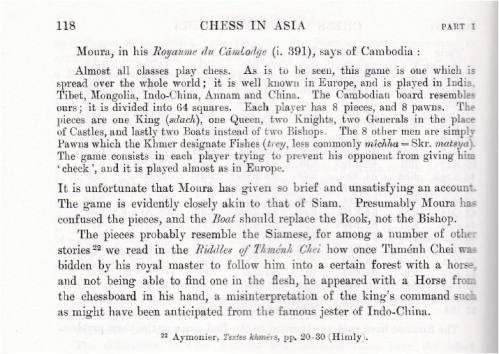
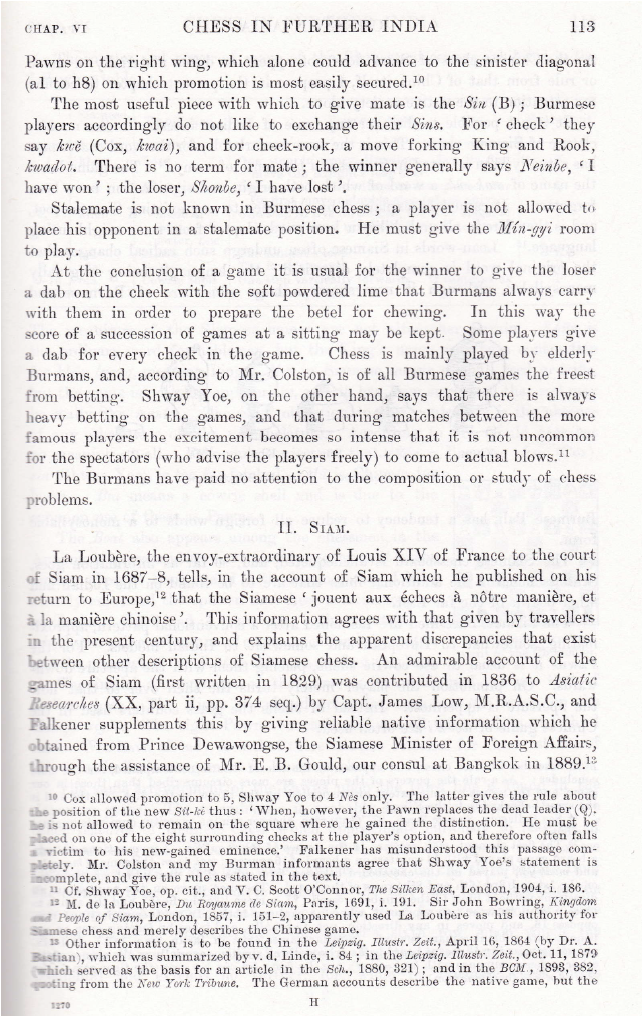
Here is H. J. R. Murray’s account of Thai chess in his 1913 publication A History of Chess. It is brief but well-researched. I can’t comment, however, if any changes have occurred in Thai Chess since publication 103 years ago.

thai2

thai1
thai3

thai118

thai4

thai5

Read Full Post »

I bought this recently.

IMG_20160428_0001

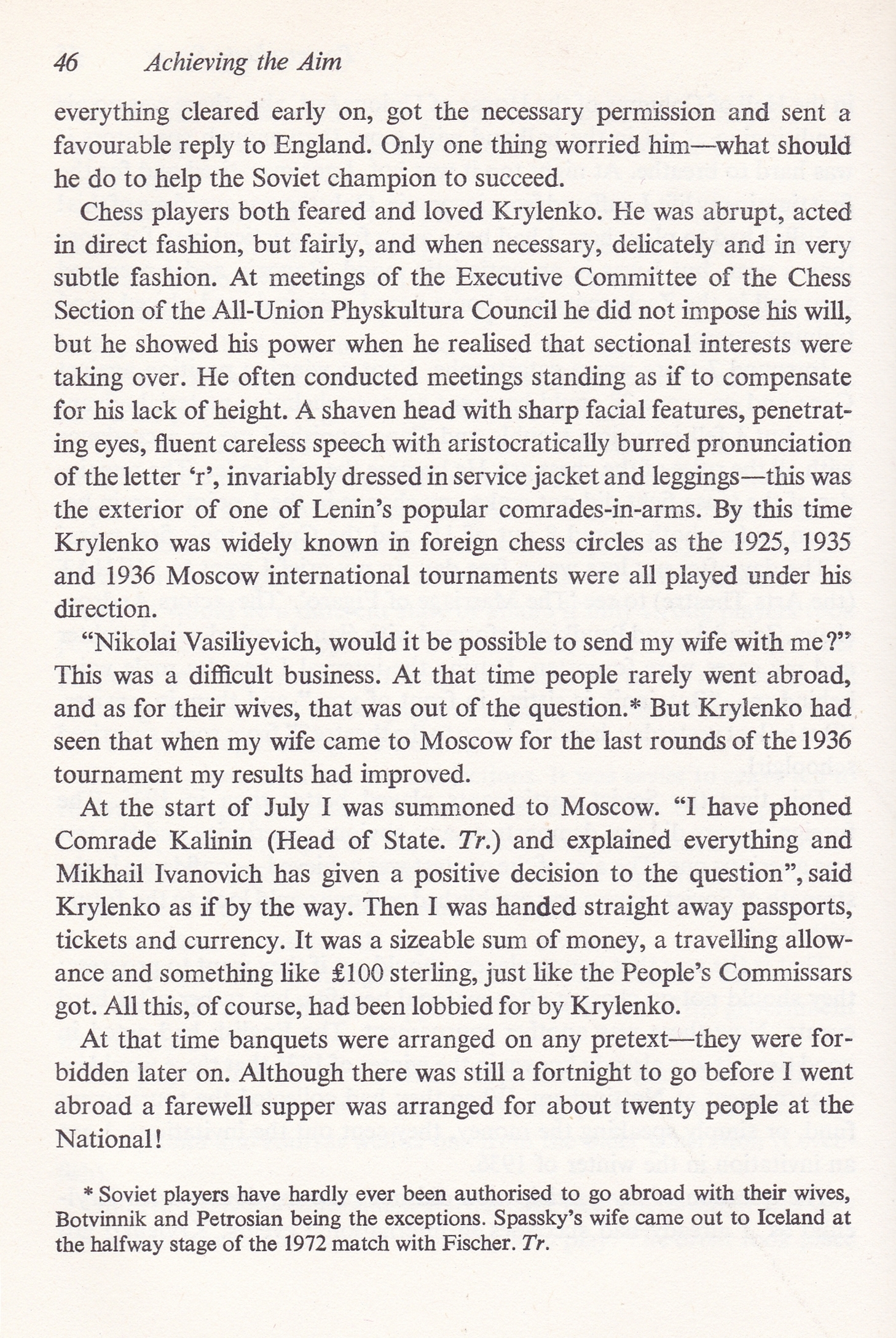
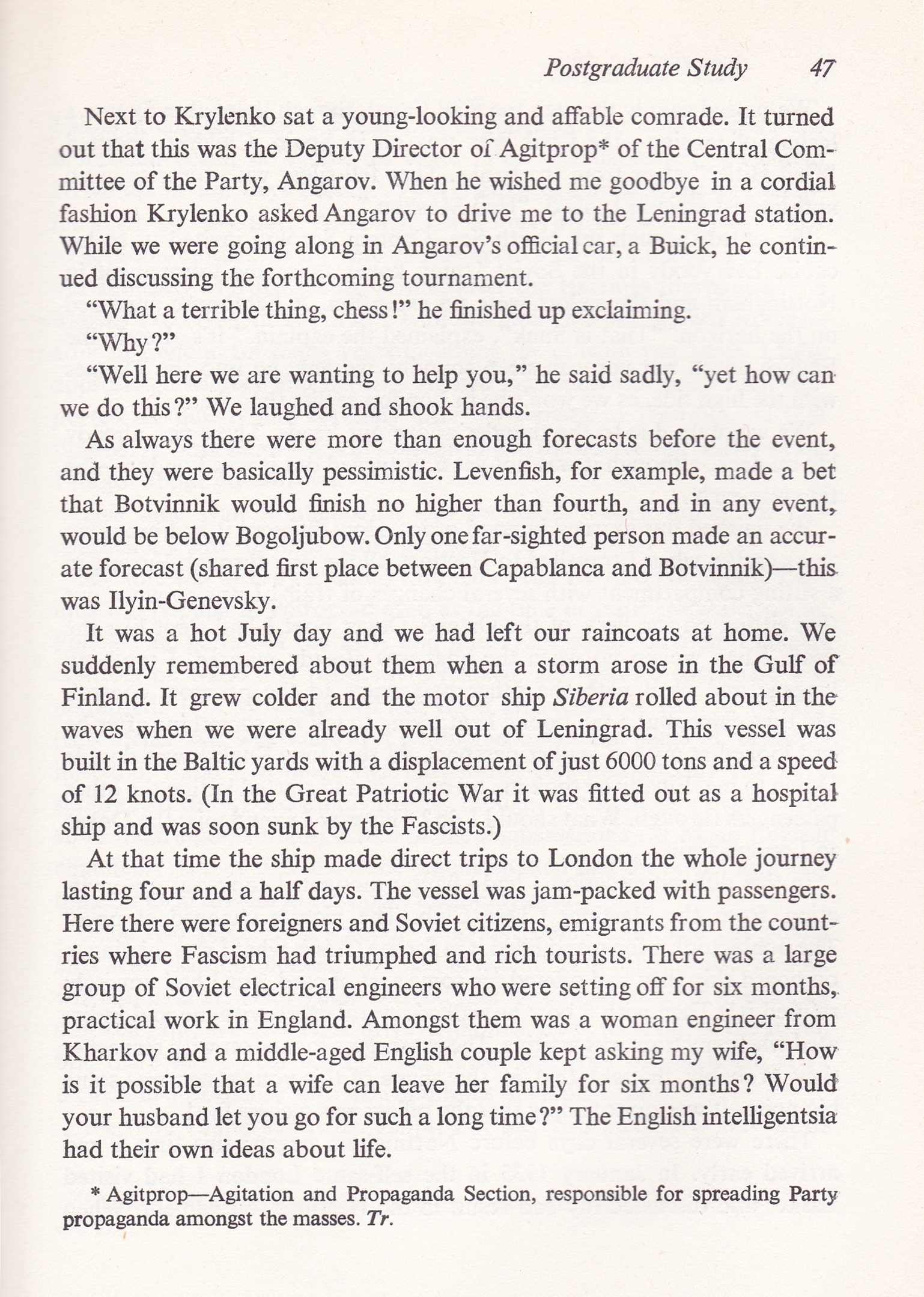
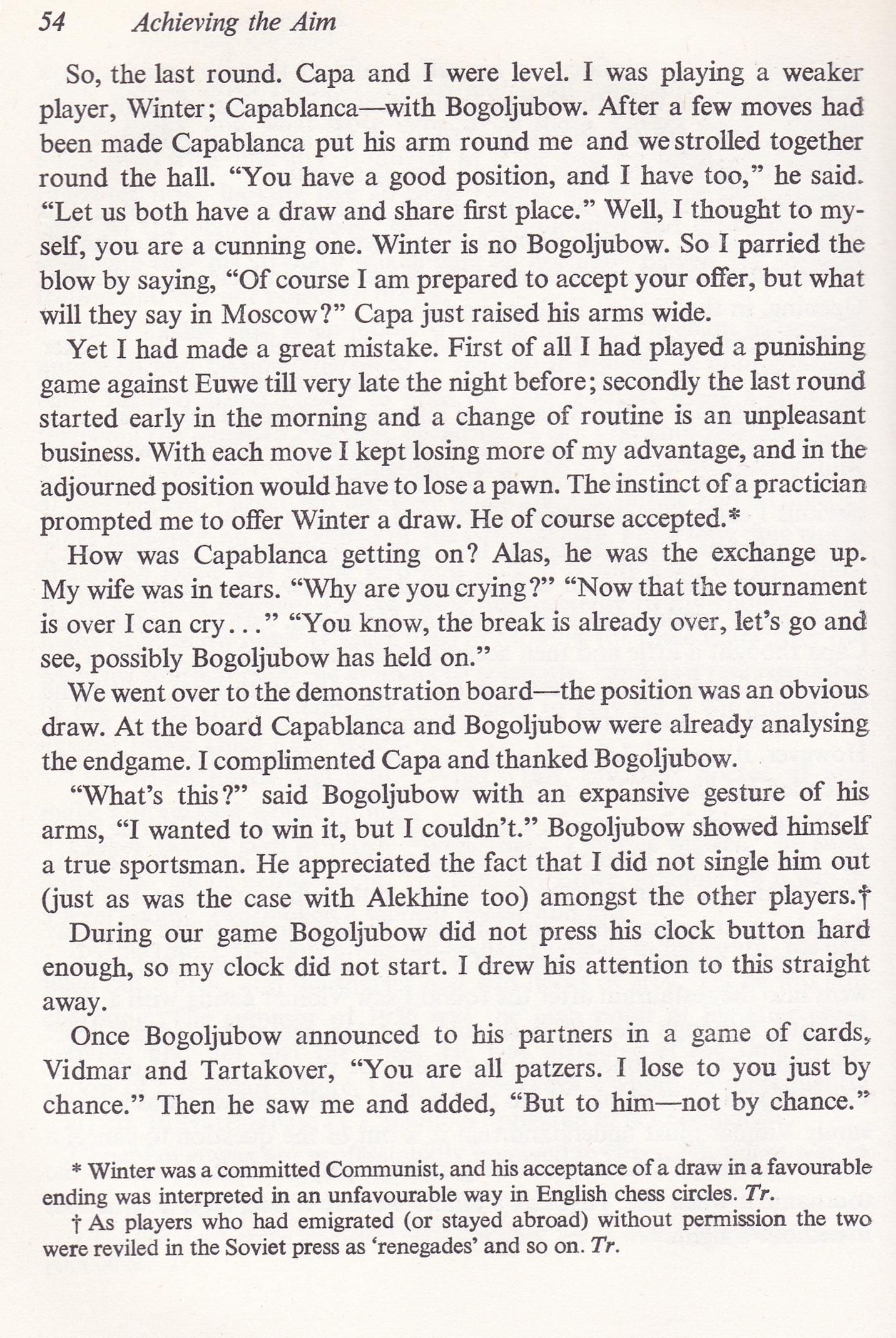
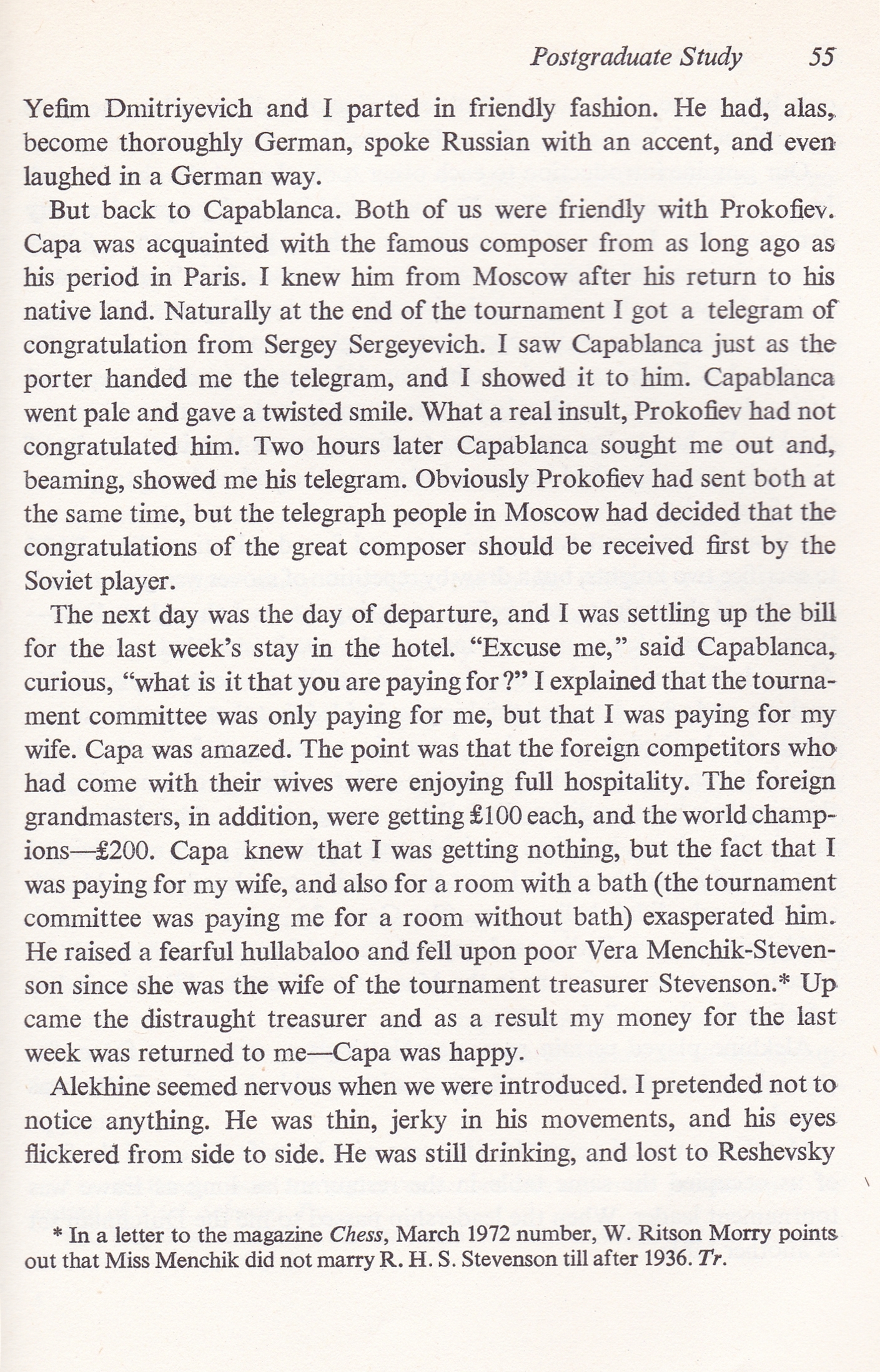
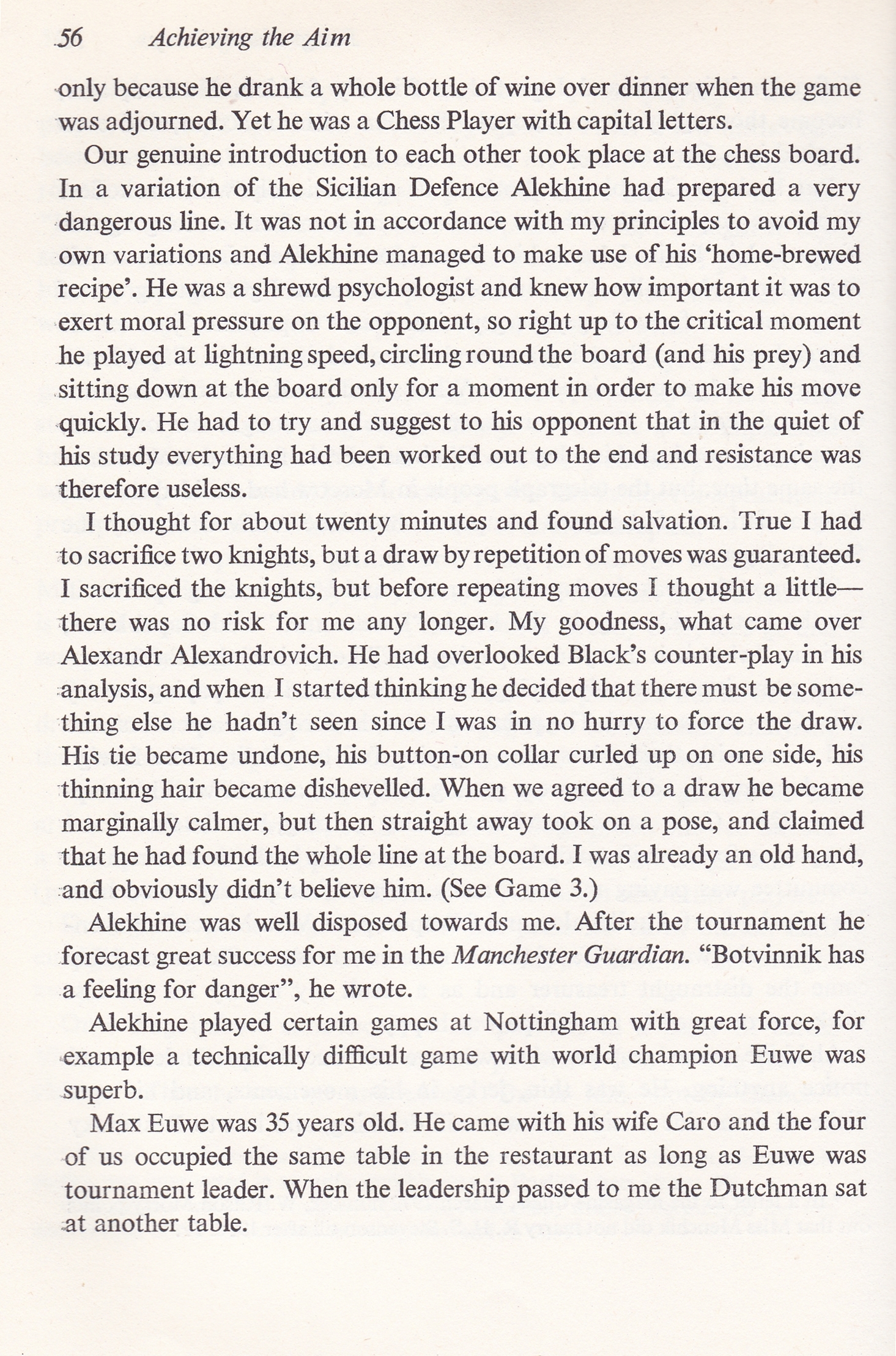
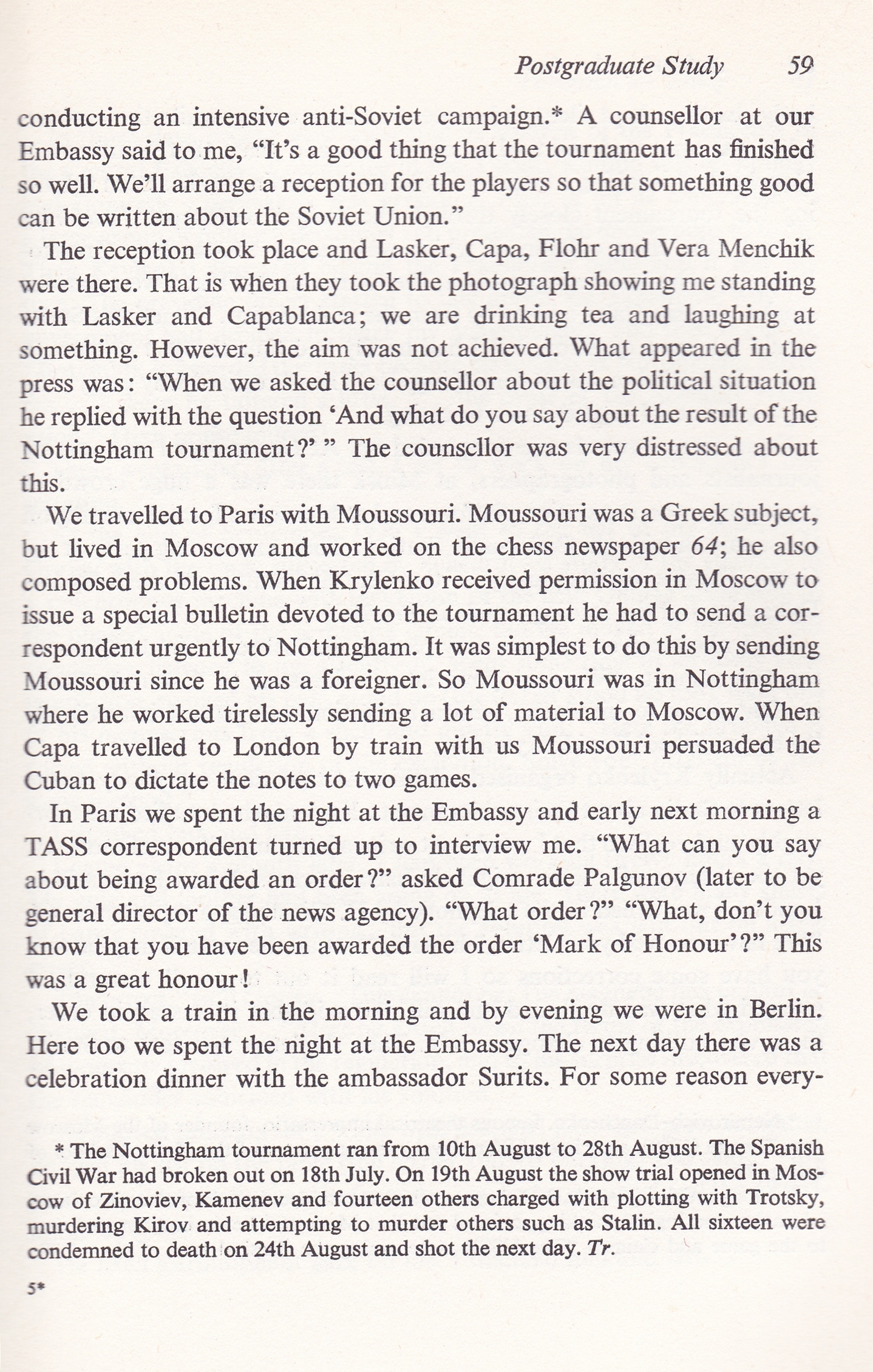
And find it engaging. Perhaps due to his success, Botvinnik plays with a straighter bat than most ex-players when it comes to chess history; he doesn’t blatantly use artistic license like his former opponent Sossonko does, nor does he try to convince you with amazing feats of memory like Averbakh unfortunately tends to. I offer his account of Nottingham 1936 (see historian Edward Winter’s fine site for photos: http://www.chesshistory.com/winter/extra/nottingham.html), which makes for an interesting read in itself. It does, however, need to be remembered that he was writing 40 years on, the extent to which the text can be considered a reliable primary source is thus in question -as it must be.

How much easier it is to write reminiscenes, all you have to do is think what should be published, what not!

Botvinnik, Achieving the Aim, pg. 87

IMG_20160428_0002

IMG_20160428_0003

IMG_20160428_0004

IMG_20160428_0005

IMG_20160428_0016

IMG_20160428_0007

IMG_20160428_0008

IMG_20160428_0009

IMG_20160428_0010

IMG_20160428_0011

IMG_20160428_0012

IMG_20160428_0013

IMG_20160428_0014

IMG_20160428_0017

Read Full Post »

« Newer Posts - Older Posts »