Archive for the ‘Quaint Chess History’ Category

The altruistic John Saunders has delighted the members of the English Chess Forum once more with his efforts, supplying the 1961 rating list, which can be found here: http://www.saund.co.uk/rgs/pdfs/viewer.html?file=1961gradinglist.pdf

My former county teammates should note that several Bedfordshire players can be found in it, including Mr.Cordon from Bedford.

Read Full Post »

MemoryChess (found on facebook) is at it again, and has posted yet another wonderful image for us all to drool over. Note Alekhine’s dress: I will add more info when I get it.8273_1016119075142888_8211414190249792967_n

Read Full Post »

…tsk…another boring evening of studying chess history beckons 😦

1000798_478171005604367_226362993_n


998895_478172032270931_1963830062_n

Images courtesy of MemoryChess (on facebook) who acknowledges Leslie McAllister as the photographer http://www.lesliemcallister.com/.

Read Full Post »

Most of us can remember objectionable matches from yesteryear where playing conditions were, shall we say, less than perfect? For me it was a drafty church hall in a geriatric village named Warboys near Peterborough one winter morning long, long ago. But no matter how terrible the worst of the very worst playing venues may have been for you, I doubt whether they can compete with the conditions on offer for those playing in Russia just after the revolution.

Courtesy of Tony’s Bookstore http://www.chessbooks.co.uk/  I’m reading Ilyin-Genevsky’s ‘Notes of a Soviet Master’. For those who don’t know who he is, Ilyin-Genevsky is generally accepted by historians as an instrumental figure in the promotion of chess after the revolution and is described by some as an unsung hero of his generation. As was common for his time, his life was tragic but untypically long for a soldier; he joined the army on May 15th, 1915 and soon after was gassed by the ‘Germano-Austrian’ forces near Warsaw, then within two months he was severely shell-shocked on the front-line by a mortar near the village of Peski, in the Kholmaskaya Guberinya region. He was paralyzed in the legs and arms, had lost his sense of feeling, hearing and memory: even though he was already a strong chess player at the time, during his lengthy treatment, he had to be taught how to play chess once more. Upon his relocation to Moscow after his recovery he went in search of chess players. His long city-walks were often in vain but in uncovering the clandestine Moscow chess circle, he then wrote an account of the conditions he had to play in on July 10th 1919.

15. The Match with N. D Grigoriyev and Moscow Competitions

…it is interesting to dwell on the mundane circumstances of our match. The games were usually played in the evening, and once it began to go dark, we had serious difficulties. Due to the general destruction of that time, the electricity came on and faded quite arbitrarily. Sometimes the owner of the flat, Berman, happened to have some poor quality candles. In that case, the trouble was mitigated. When there were no candles at all, Grigoriyev and I moved over to the window ledge and then on to the stairs where there was a large window. When the light through this window failed, we were in a real mess. In such cases we had almost to play blindfold since the board and pieces could hardly be made out due to the darkness. I can remember, for example, one such case. During one game, it became so dark that we could distinguish nothing at all. Fortunately Berman happened to have a box of matches (a very valuable thing in those days) and he magnanimously sacrificed them for our benefit. We arranged matters in this fashion: when it was one player’s turn to think, the other player would light a match and hold it between his fingers until one of his fingers was almost burned (after all, every small speck of light was so valuable to us). When the match had burned out, darkness prevailed until the next match could be struck. It was under such circumstances that we had this curious mishap. ‘Check to the king,’ announced Grigoriyev to me. ‘Excuse me, Nikolai Dmitriyevich,’ was my answer, ‘but your king is already in check.’ In fact I had given check with my last move, which he had missed due to his excitement and the darkness. Hence the winning combination which he had been relying on proved impractical and the game ended in a draw a few moves later.

…my best success of this period was the share of first place with Grigoriyev and Grekov in a Moscow tournament for first category players. It is interesting to point out under what difficult conditions we had to play in at that time. Berman’s flat was not heated due to the lack of firewood, and in the winter the temperature inside the flat was several degrees below freezing. We had to play in our outdoor coats and galoshes (rubber boots) but even this did not keep out the cold. The players’ noses, hands, and particularly, feet started freezing, so they had to dance the polka-mazurka with their feet under the table in order not to get stiff with cold while thinking about their next move. Yet our love of chess was so great that nobody complained, and we just sat there quietly night after night enjoying the tournament games.

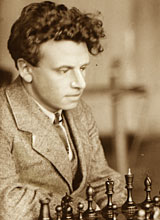
Ilyin-Zenevsky_(1927)

Ilyin-Genevsky (of Geneva where he studied -so his name implies). Taken in 1927 apparently.

warboysclocktower

Warboys. A cold, lifeless village where, after refusing a second draw offer, I once misplayed a rook ending whilst playing for Bedfordshire.

And these gentlemen certainly thought they had it tough!

Read Full Post »

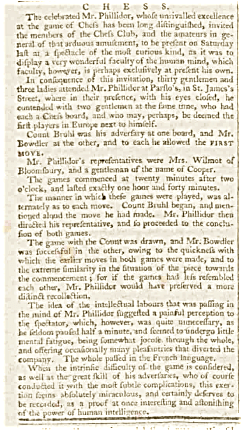
I’ve gone and lost the date but we can safely assume that since Philador is making the news, the following excerpt was printed some time ago!

phil1


Read Full Post »

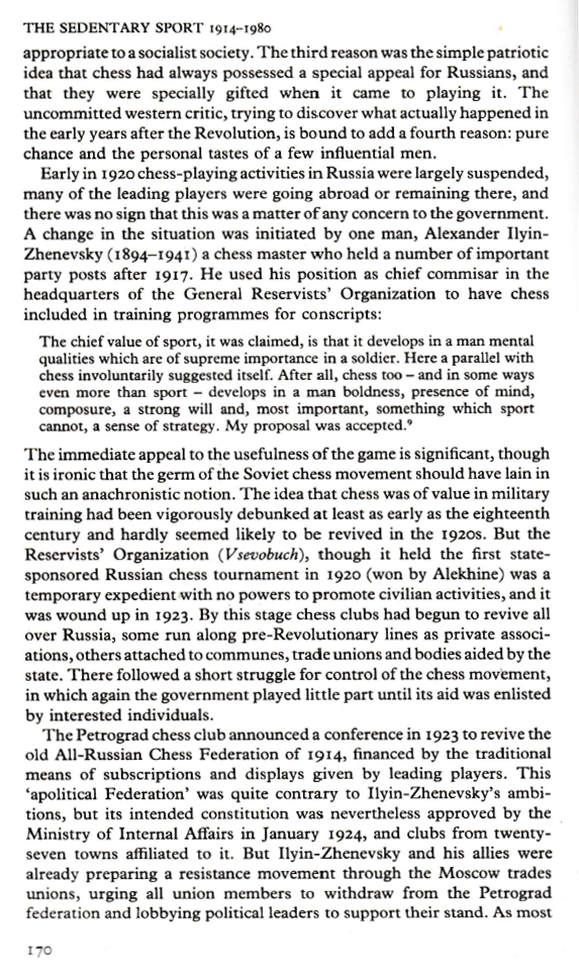
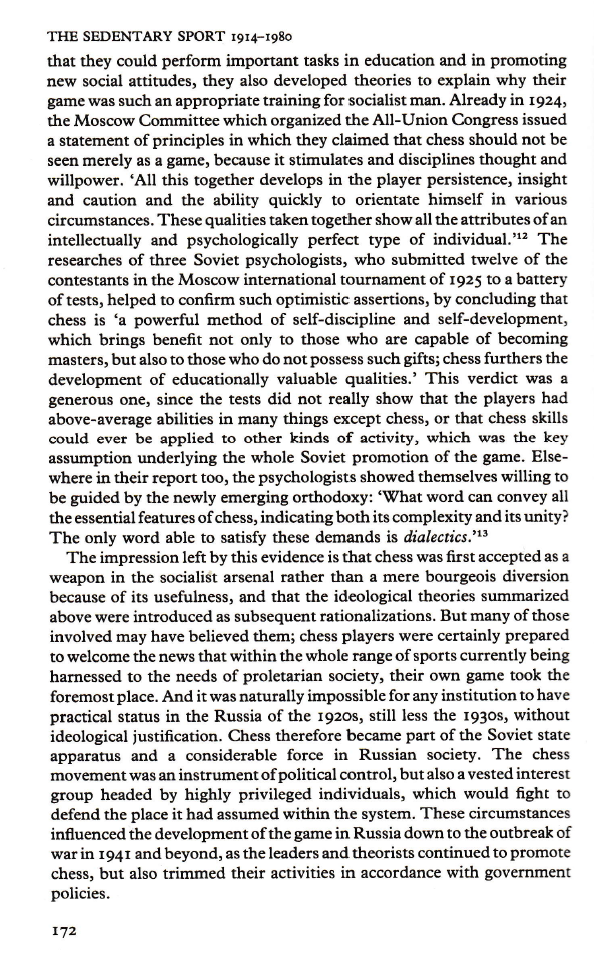
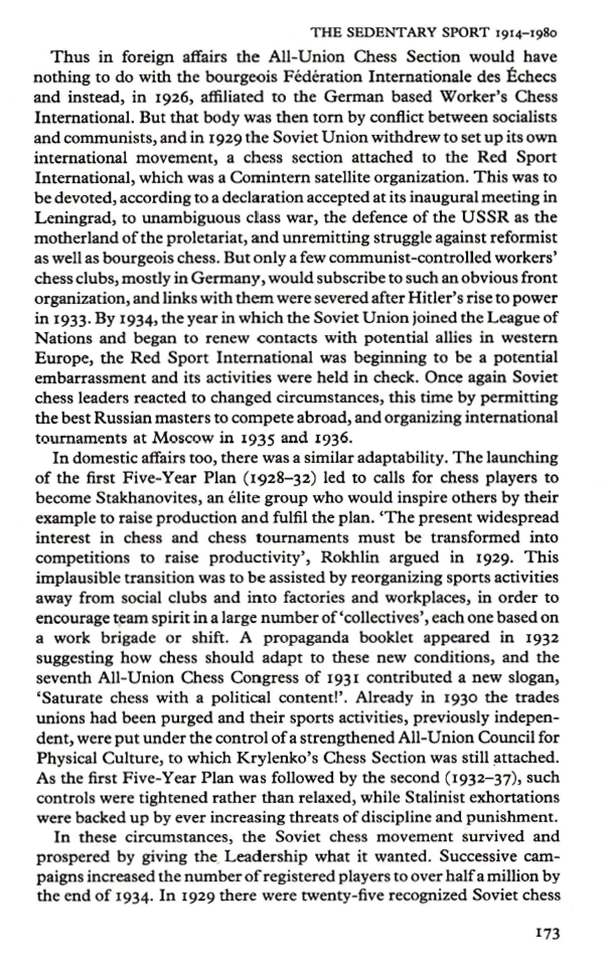
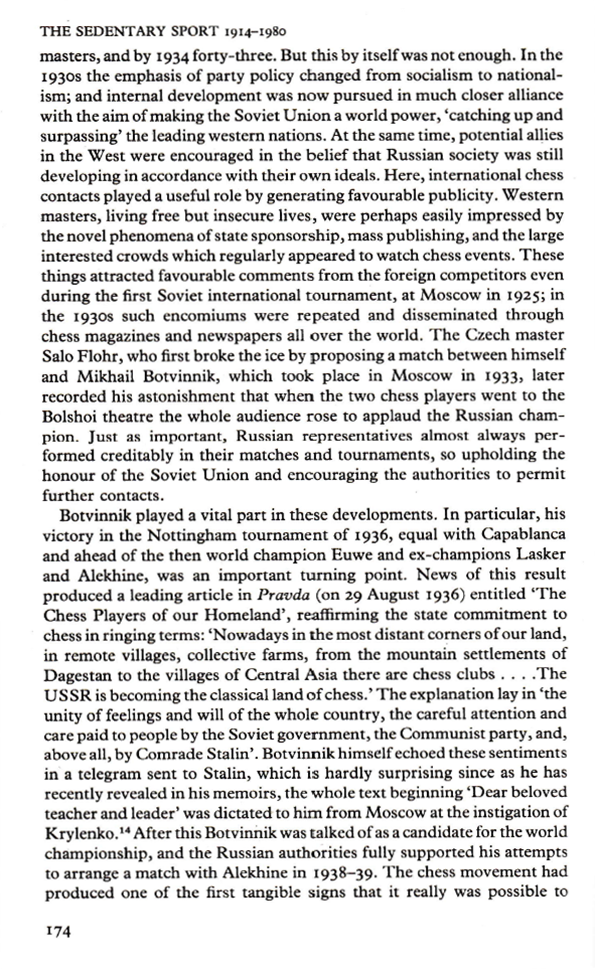
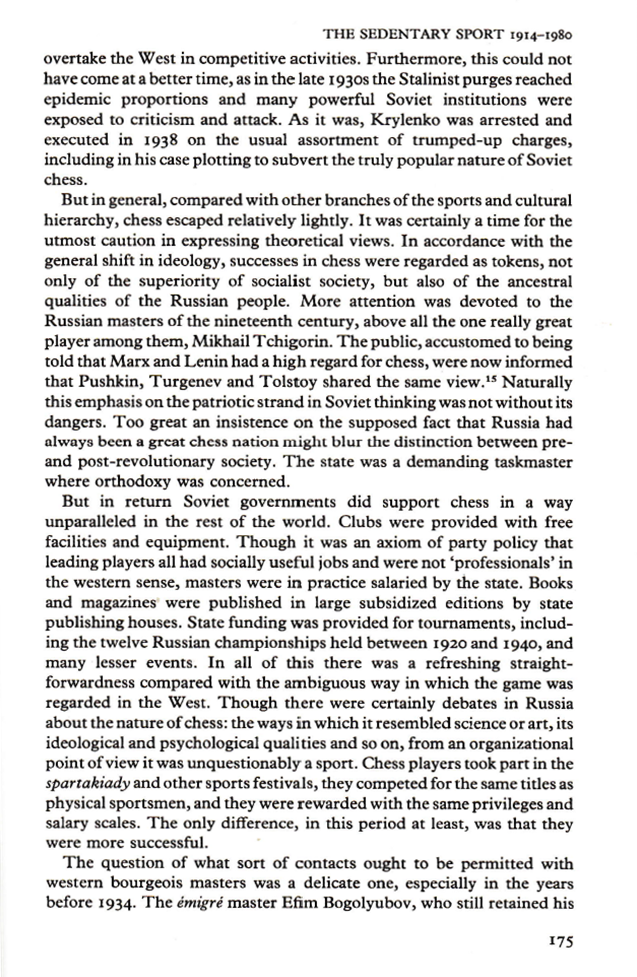
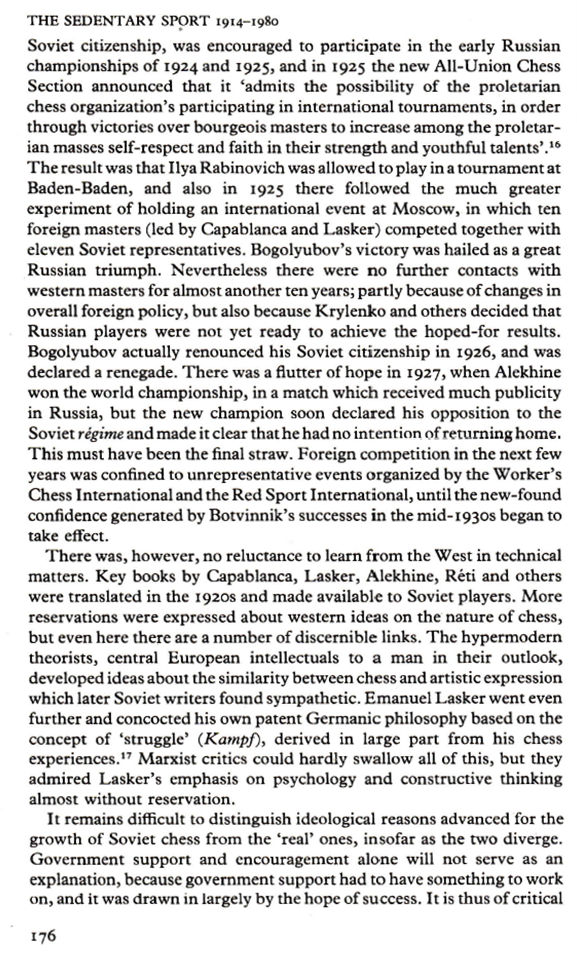
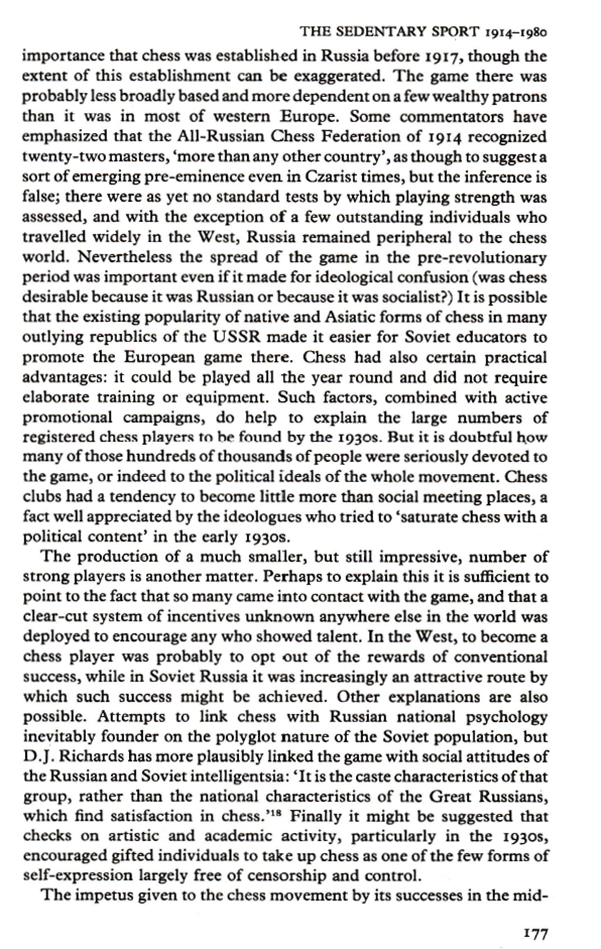
Here is historian Eales’s account of the Soviet chess phenomenon. It’s an engaging and insightful narrative but bear in mind that ten pages is obviously not enough to cover such a period in any detail, hence it should serve as an introduction to the topic -and it is a very good one at that.eales1 eales2 eales3 Eales4 Eales5 Eales6 Eales7 Eales8 Eales9 Eales10

Read Full Post »

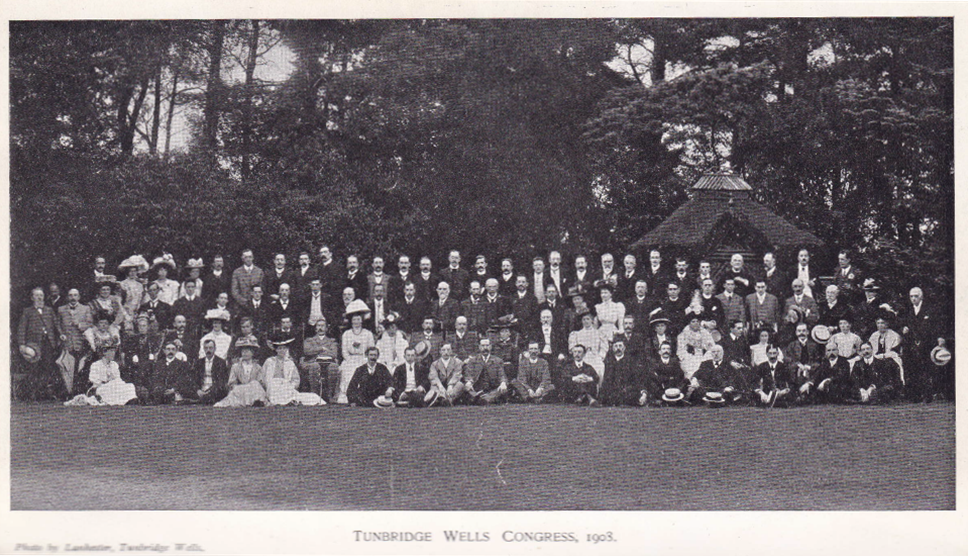
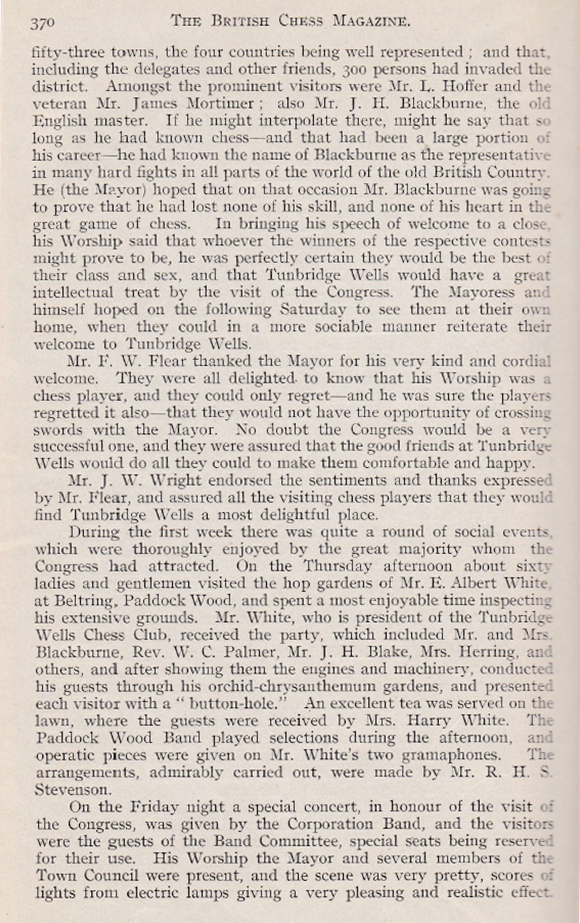
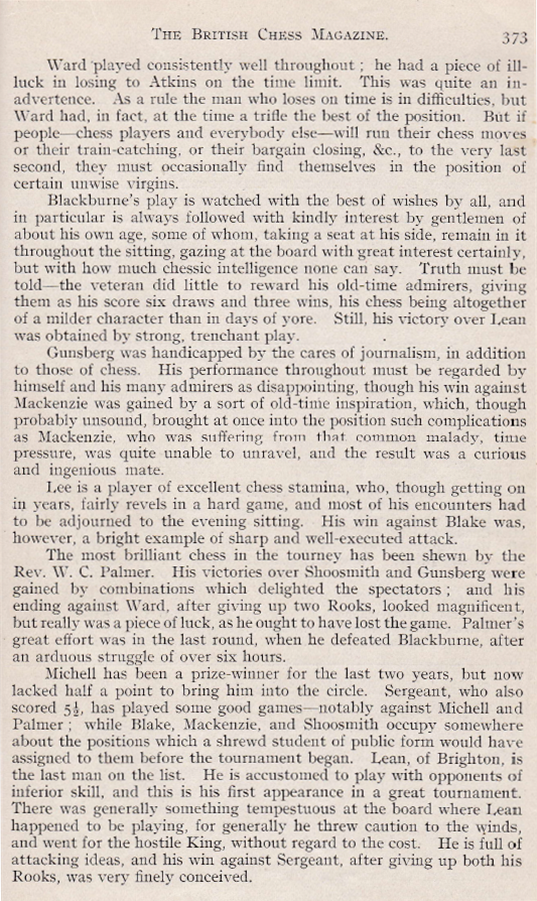
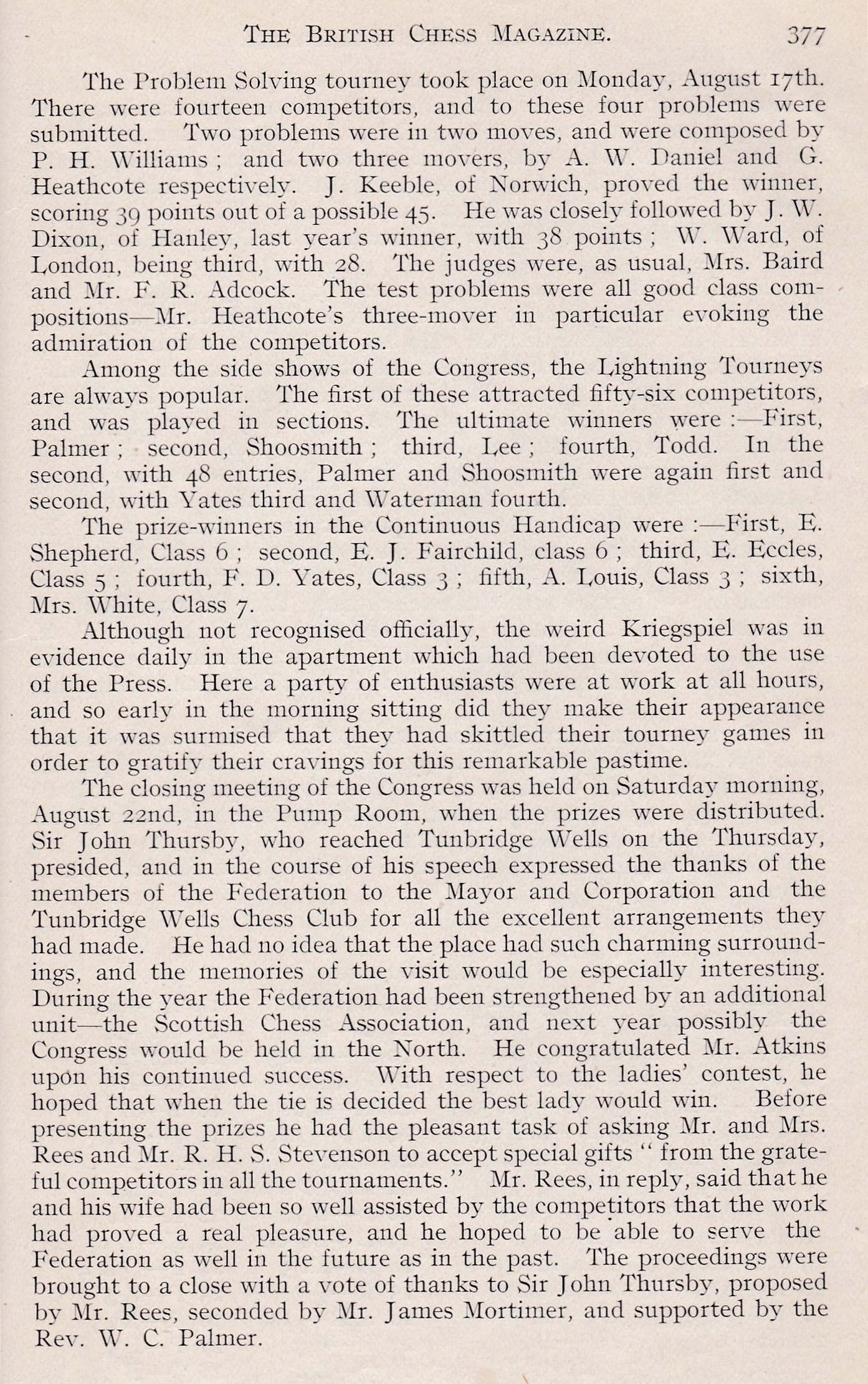
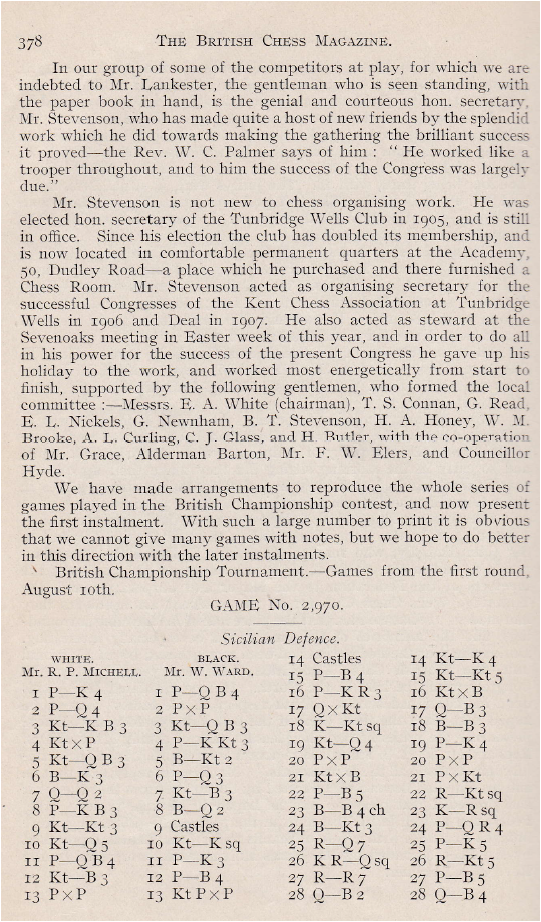
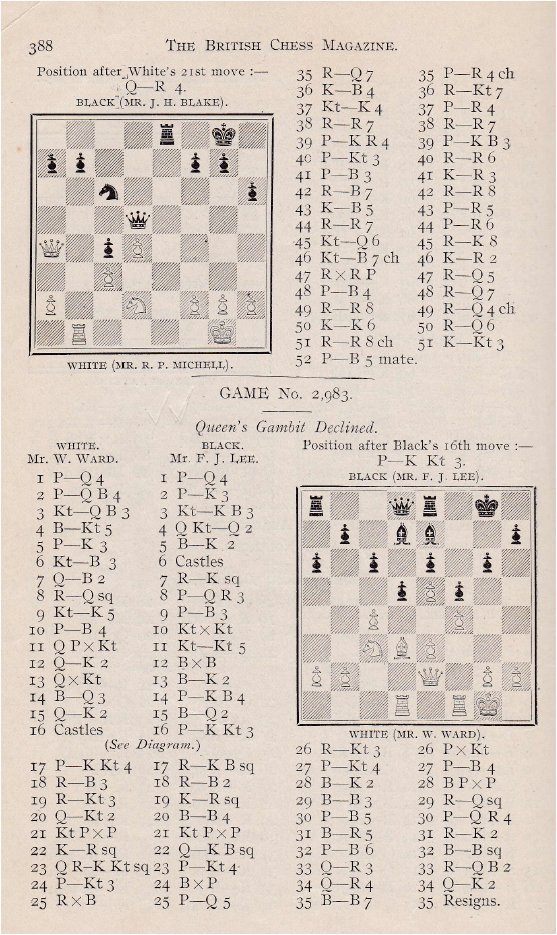
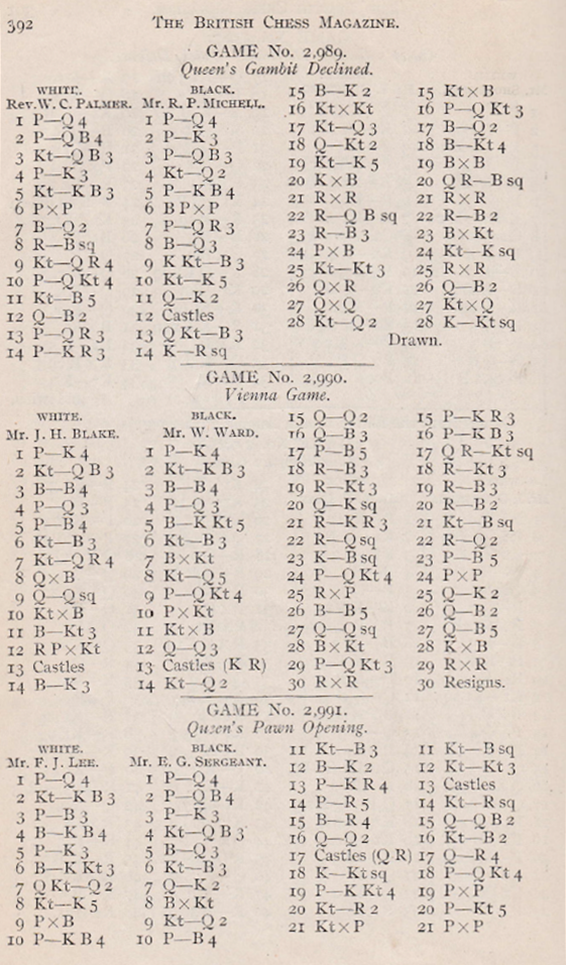
Here is an account from the British Chess Magazine. The games provided are William Ward’s.

Picture1

Picture1a

Picture2

Picture2a

Picture2b

Picture3

Picture4

Picture4b

Picture5

Picture5b

Picture6

Picture6b

Picture 6c

Picture7

Picture8

Read Full Post »

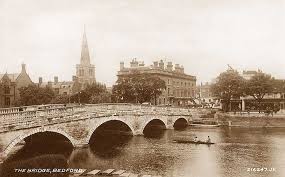
Victorian times in the home counties -a gentleman cycles across rural Bedfordshire to participate in a chess match but ends up in prison -how quaint?

bullies

download

The gentleman’s destination.

Read Full Post »

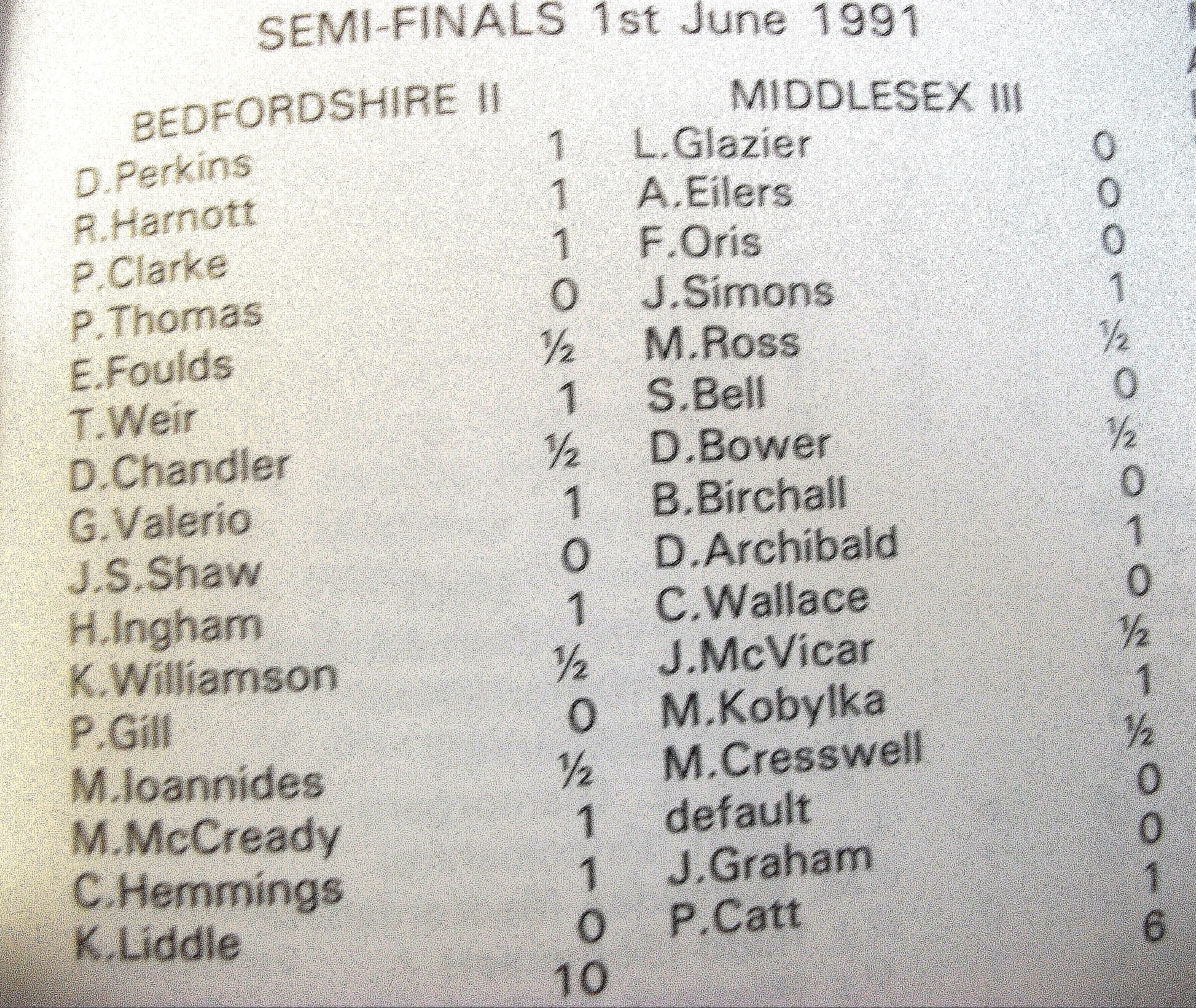
En route to becoming county champions of England for the first time, Bedfordshire received help from yours truly on more than one occasion. Just look at this…this amazing effort below kindly sent on by author Richard James.

BedsSF01-06-91

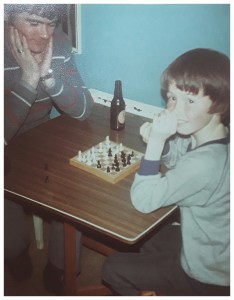
I remember that match quite well, it was played one sunny afternoon at The Purcell School in Bushey, Watford on the B462. We took an early lead as I was left to wander around for ages in my green puma jumper, making jokes with teammates that the opposing side had brought ‘criminal types’ to the match (see board 11), not knowing if my opponent would arrive. Here’s the position when I won on time, I was black.

4

A stunning victory in which I played no bad moves, Bedfordshire then went on to make history.

Read Full Post »

Courtesy of Glynn’s Bookstore http://www.biblio.com/bookstore/glynns-books-norwich , G.H. Diggle’s Reminiscences of a Badmaster Vol I & II arrived via airmail last week. (Badmaster was a title awarded to Diggle by C.H.O’D. Alexander in a Christmas Card after Diggle lost a game in 7 moves). You can find more on O’ Donel Alexander here https://en.wikipedia.org/wiki/Conel_Hugh_O%27Donel_Alexander

IMG_0423

I began reading it whilst keeping an eye on my daughter as she played in a nearby Kidzoona, yet another example of Japanese ingenuity, but had to stop reading pronto as I attracted far too many concerned stares from other waiting parents who perhaps wondered if I were a bit mad -I could not contain the ensuing paroxysms of hilarity!

Diggle writes satire with an abundance of both pause and panache, the likes of which I have never encountered before. He is immeasurably entertaining and has a style that is unmistakably his. Though he was not the strongest chess player of his time, I strongly suspect he is by far the most gifted writer ever to have graced the chess board in its long, long history.

Those from my home county Bedfordshire may wish to take note that Diggle once played for Bedfordshire (scroll down to 7223. for evidence http://www.chesshistory.com/winter/winter85.html ) and was acquainted with our leagues senior figures of the post-war period. Here’s an excerpt from the BM (Badmaster)

12. The BM’s finest hour

The Badmaster always regards the year 1945 as ‘his finest hour’. The war was just over -no one had been demobbed or seemed to be doing any work – plenty of chess was going on in London, and best of all there was no ‘grading’ and ‘grandmaster’ nonsense in those days, and chess impostors like the BM could put their name down for any tournament they liked. A huge ‘mixed bag’ of 128 players entered for the London championship; these were reduced by four ‘knockout’ rounds to eight; three well-known ‘seeded’ players were added, and the resulting eleven then played ‘American’ in the final. Believe it or not, the BM (through the vagaries of the draw) survived to be in the last eight; and for a glorious ten days he was in the news, competing with people like Sir George Thomas, Dr. Aitken, Dr. List, G.Wood and other experts.

The tournament was won by G.Wood (though not everyone had backed him to do so); the Badmaster came bottom of the poll (and here every forecast was right). But, as the argumentative boy in the scripture class pointed out in defence of ‘he that is least in the kingdom of heaven’ – ‘ANYHOW, HE GOT THERE!’ Moreover, to this day, the BM refuses to attribute the result to the superiority of his opponents, he lays the blame fairly and squarely, on harassment by the chess press, who frightened him out of his wits. Every round, they adopted the following horrible procedure. Headed by the bearded bohemian William Winter, they came nosing round after the first half-dozen moves to see what was cooking. Like those ungodly persecutors in the 59th psalm they ‘wandered up and down for meat.’ Then the great Winter, after glancing for an awful moment over the petrified BM’s shoulder, would instantly recoil with a hissing intake of the breathe, scribble some doomridden fragment in his notebook, and pass on to the next victim. Then the whole pack would troop off to a neighbouring bar. After they’d gone, the BM would recover his nerve and make some brilliant combination which only just lost, and which the Press ought to have been there to report to the World. But as soon as his game was in the last throws they would all come back. ‘And at evening’, to quote the psalmist once more ‘they will return, grin like a dog, and run about the city’. The experienced Winter always gazed at the ruin of the BM’s position with a lacklustre but logically satisfied eye, reminding one of Lear’s favourite limerick:-

‘There was once an old man with a beard

Who said ‘It is just as I feared!’
download

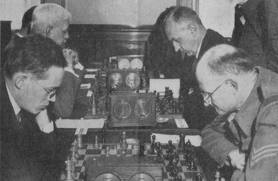
Diggle is to the right and at the front.

Read Full Post »

« Newer Posts - Older Posts »