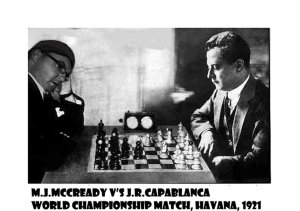
“Education is teaching our children to desire the right things.” Plato

One platitude I ascribe to is ‘Home is where the heart is’, and although I am so very proud of where I am from, unintentionally or otherwise, it stopped being home a long time ago; partly because year twenty-four of not living there is rapidly approaching, and partly because priorities change as we age whether we like it or not.

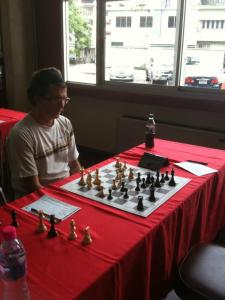
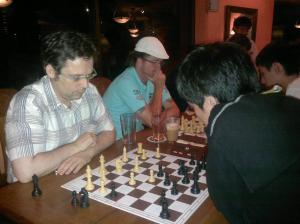
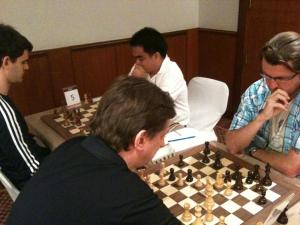
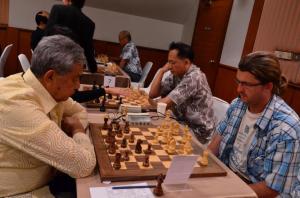
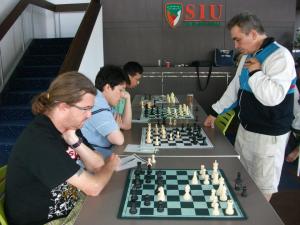
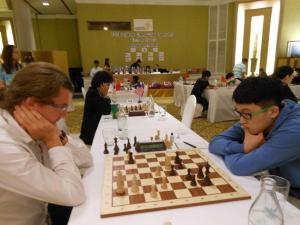
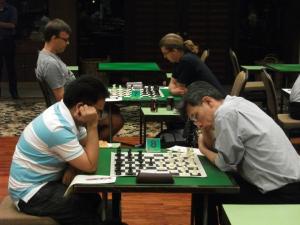
Chesswise I am most certain more years as an active member of Bangkok Chess Club (10-20 on & off) than Luton Chess Club (around 10) have now amassed. With many more friends based in Bangkok than its predecessor, I do see its chess club as my home club, and have done so for quite some time…you could say ‘somehow it just went that way’. Being housed in a pub is always an improvement as you can’t beat a cold pint of cider or six whilst you play OTB.
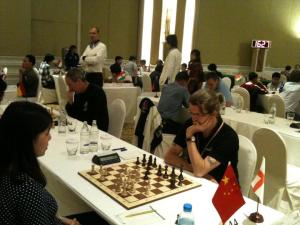
It’s been 6 months since I last played chess -no I don’t miss it. Online chess has been outlawed then got slapped with a lifetime ban. Yes I have even thought about stopping completely and giving the game up again, just like I did back in the 90s. But it is my every intention to take my daughter to Bangkok Chess Club on the fifth day of the next month. I want to see friends and socialize with them, and the more exposure my daughter has to chess the better. Most probably I will play her to see how much she remembers, as she has lost interest and become inactive. It might be the case that I just hang out, drink some cider, chat with friends and play no more than the odd game or two. However, I may elect to play in a blitz tournament though, and most probably will.

So I shall not go 7 months of no chess but its the overall experience of being amongst old friends that is important, and as mentioned, reacquainting my daughter with the game too: it has got nothing to do with wanting to play chess, which is not in play this time around. The arbiter, and old friend, who runs the club and organizes the Bangkok Open is the same person who employed my ex-wife -that’s how we met. He was instrumental in us hooking up, our child was soon to follow – and visit her in hospital when she was born he did. Had he not given me her mother’s details when I asked who she was at the chess club, there would be no Grace McCready. And that very place we played in then, is the same place we play in now. My heart is with my daughter and home is where the heart is -so I shall break my 6-month duck @Bangkok Chess Club, and my daughter gets to go to the very place where her father asked about her mother for the first time, and was given her contact details as a result -the rest is just history. Pics, videos and report to follow.
Garwood V Karpov

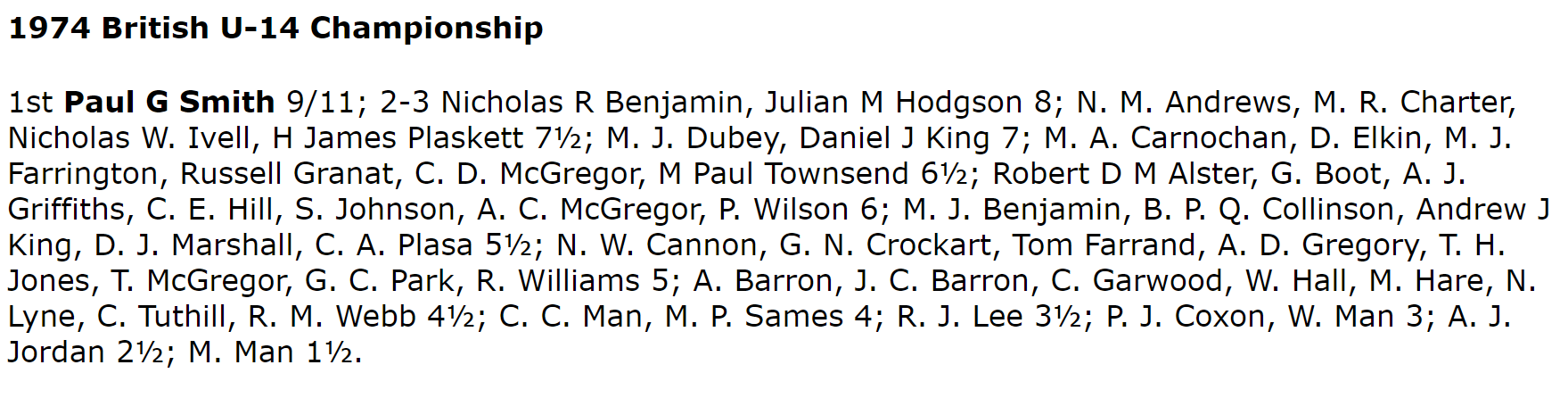
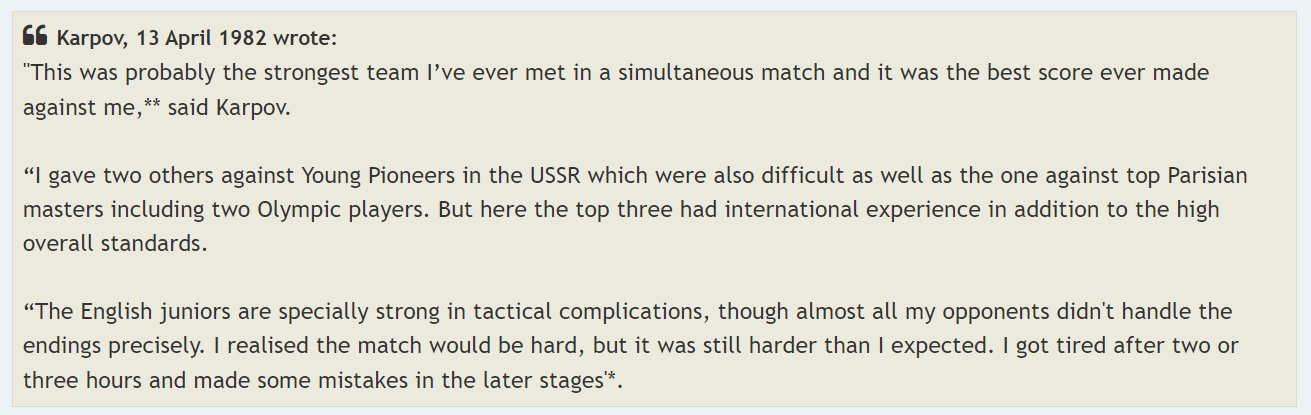
Bedfordshire chess history has greater depth than most, if not all, think. This is, primarily because its medium is oral history, and those who propagate that are usually uninterested in distinguishing factual content from mere gossip. Oral history, which pervades most counties in England is more entertaining than it is reliable, and of course, it will forever remain an anachronism. Our county has previous members who were prominent in their day. It’s not quite correct to say they have been forgotten about, its more so that no one has written about them. Well, that’s my job. One of those is a certain Colin Garwood. On a national level, he first established himself at the British Chess Championships in 74 as a junior. It would be approximately correct to describe as one of those who emerged out of the English Chess Explosion, which due to an uncritical attitude towards journalese, was mightily impressed and influenced by nut job Bobby Fischer. If we understand Colin in terms of the movement he was a part of, it should not be surprising to find that he is never written about, despite the fact that he was exceptionally strong. How strong was he? Leonard Barden arranged a simul in 1982 where the top 20 juniors in England got to play the then world champion Karpov, Garwood was one of them, rated approximately 200. Given the nature of chess culture in England, he was mostly overlooked and not considered exemplary in anyway. But for those of us from Bedfordshire, this game is significant because its the first encounter of one of our own against the reigning world champion in the modern era.

With regards to Dunstable based Colin Garwood he held his own but when only a few players were left, having to move much more quickly put him under pressure and as a result he made a mistake in the endgame. Well that’s my interpretation, here’s his:

1. e4 c5 2. Nf3 d6 3. d4 cd4 4. Nd4 Nf6 5. Nc3 a6. 6. Be2 e5 7. Nb3 Be7 

Nb3 in the Sicilian Najdorf is considered to be the positional way to play it, which is in keeping with Karpov’s style.

 8. O-O Be6 9. Be3 O-O 10. Qd2 Nbd7 11. a4 Qc7 

12. Rfd1 Rac8 13. f3 Rfd8 

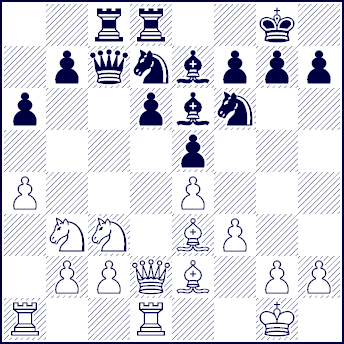
The position is imbalanced, white may opt for utilising his spacial advantage on the queenside.

14. a5! d5 15. ed5 Nd5 16. Nd5 Bd5 

17. Qd5 Nf6 18. Qc4 Rd1 19. Rd1 Qc4 20. Bc4 Rc4 21. c3 Kf8 22. Kf1 Ke8 23. Ke2 Rc6 24. Bf2 Nh5 25. g3 Nf6 26. Nd2 Bd8 27 Ra1 Kd7 28. c4 Be7 29. Ra4 Rc7 30. b4 Kc7

31. Bb6 Kc6 32. Nb1 Nd7 33. Be3 Kd6 34. Nd2 Kd6 35. Kd3 f5 36 Kc3 Bf6 37. Kb3 Rd8 38. Kc2 Nf8

39. Bb6 Rd7 40. Ra3 Bg5 41. Be3 Ne6 42. Bg5 Ng5 43. Re3 Nf7 44. Kc3 Rd6 45. Re1 Rd7

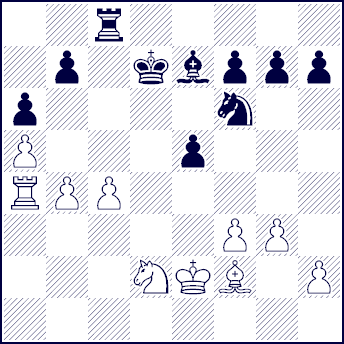
An endgame with equal chances

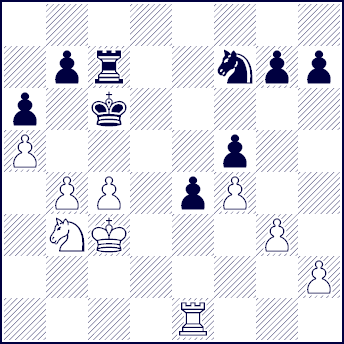
46. Nb3 Rb7 47. f4 e4?

47. …e4 was a losing blunder.

(47…g6!) 48 Nd4 Kc7 49 Nf5

Colin informed me that he one of the last few to finish, reportage of the simul can be found below.

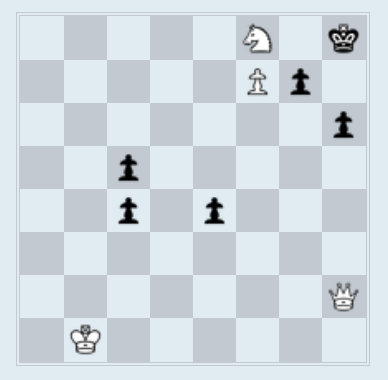
Can you find the mate in three? It’s not so easy.

Television has a role in modern western society which is being decentralized by the internet and the so called digital revolution we are, apparently, undergoing.

Nonetheless, important it remains and compelling it may be too…especially when Bedfordshire’s finest chess players appear on it. Who might they be and what was that all about then?

1 (The man who failed to beat me with the King’s Indian Attack)

The first was Bedford’s Dave Ledger, who appeared on the Channel 4 daytime show Countdown around 1993 (apologies for my imprecision). I did ask him about his experience on the show once, and he informed me that it (Countdown) was far less glamorous than it appears on tv! Dave did win on his debut it, I remember watching him, and gave a good account of himself. https://wiki.apterous.org/Episode_1571 . It is also claimed that Dave appeared on a show called Brainteaser but I have no evidence of this.

2 (The man who dismantled my Bird’s opening far too quickly)

Staying with Bedford, second was Paul Habershon, who also appeared on countdown some eleven years later, and like Dave, won in the first but lost in the second show. Further information can be be found on the Countdown Wiki here. https://wiki.apterous.org/Paul_Habershon

3 (The man I never met over the board)

Third in line was Bedford’s James Plaskett, who famously appeared on Who Wants To Be A Millionaire in 2006, and in all probability, won more money on a gameshow than any other chess player in history.

4 (The man once rated 200+ who once saw me off with with his Catalan)

Forth comes Dunstable & Luton’s Colin Garwood, who recently appeared on University Challenge and did rather well for himself.

5

The exclusion of the fifth element! Mr. M. J. McCready once appeared as an extra in the film Whoops Apocalypse in 1986, and then appeared on tv many times thereafter in the crowd at Luton Town football club. I’ve also appeared on tv in Saudi Arabia and Azerbaijan. But I’m not linking any of that nor should I include myself. All appearances were fleeting and I never said very much. Additionally, I’m both shy and rubbish at chess, which makes my inclusion rather unnecessary and quite unjustifiable!

MJM

As a young chess player, stories about Luton chess club and the Bedfordshire league were told and retold many times over the years by various club members, as you might expect. But I distinctly remember the man who beat me in the final of the 92 Luton Chess Championship once told me that ‘Luton used to have its own league once!’ whilst we drove in the dark along country lanes to another club match together. What records have survived do not show this to be true but then not all divisions in the Bedfordshire league were published in The Luton News by Tom Sweby on a yearly basis -and that is the only primary source material in play here. What Grandmaster slayer Mr. P. Montgomery may have meant instead as he drove, I think, was in the wake of the commonly described ‘The English Chess Explosion’ following the Fischer – Spassky match, Luton dominated the Bedfordshire league in terms of registered clubs, and also had enough teams to create its own league -of this there is no doubt. There were working men’s clubs for the employees of the parent company, long before the so called ‘English Chess Explosion’ but when chess started booming thereafter they flourished and all were able to field teams in the league, sometimes more than one. Vauxhall, which was reported in the local news as early as 1937 (please see https://mccreadyandchess.wordpress.com/2015/06/05/bedfordshire-chess-in-the-70s-its-past-and-its-future/ for proof) had three teams at one point (no prizes given for correctly guessing which player, who went on to play for both Luton & Kent’s/Luton years later on, once brought his electric guitar to Vauxhall chess club and began playing it whilst games commenced, only to be taken outside and get beaten up in the snow by Dave Considine [also former Kents/Luton player, rated around 140-150]!). (Clue provided here in point 3: https://mccreadyandchess.wordpress.com/2013/01/11/fond-memories-of-bedfordshire-chess/)

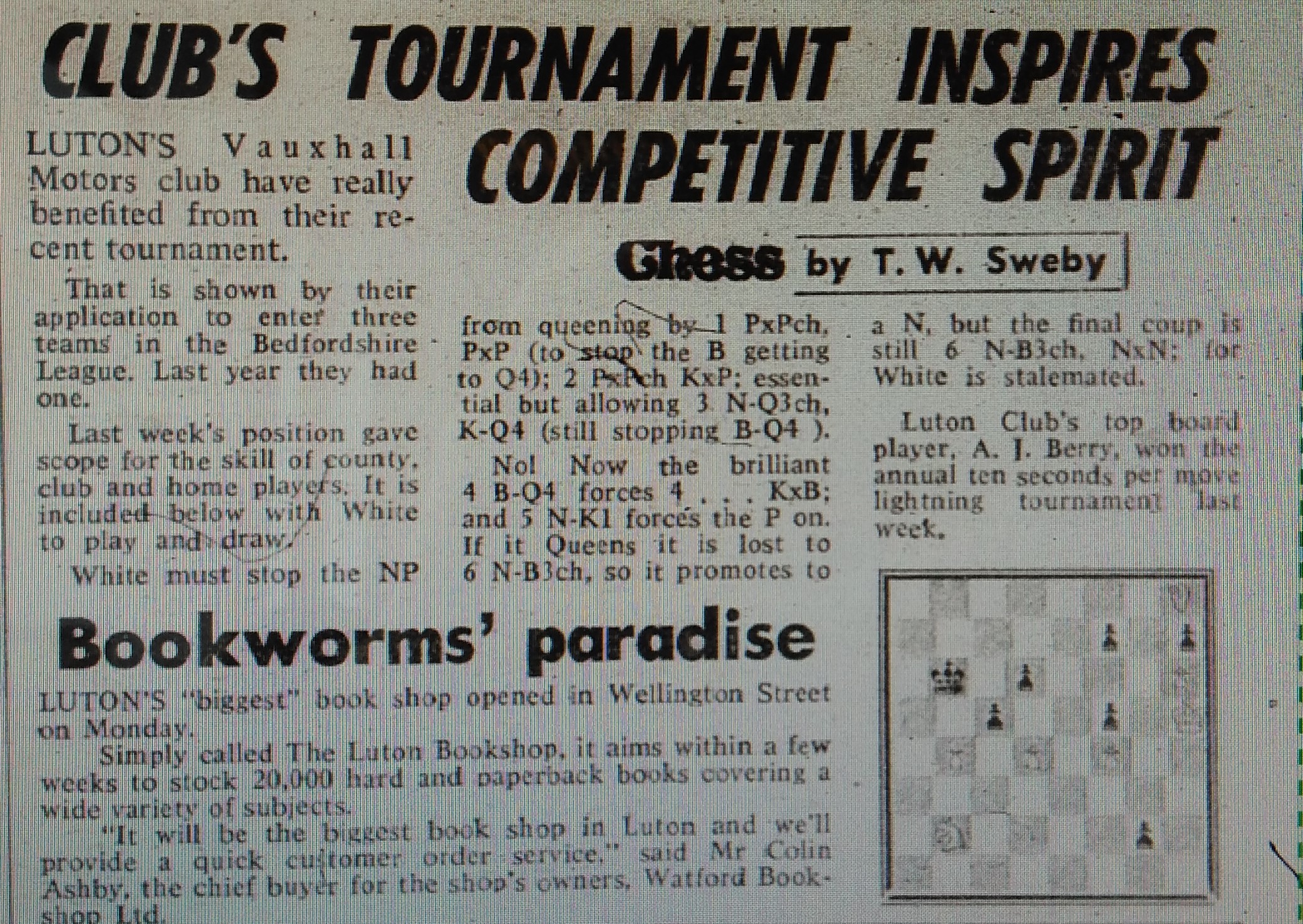
The Luton News, September 18th 1980
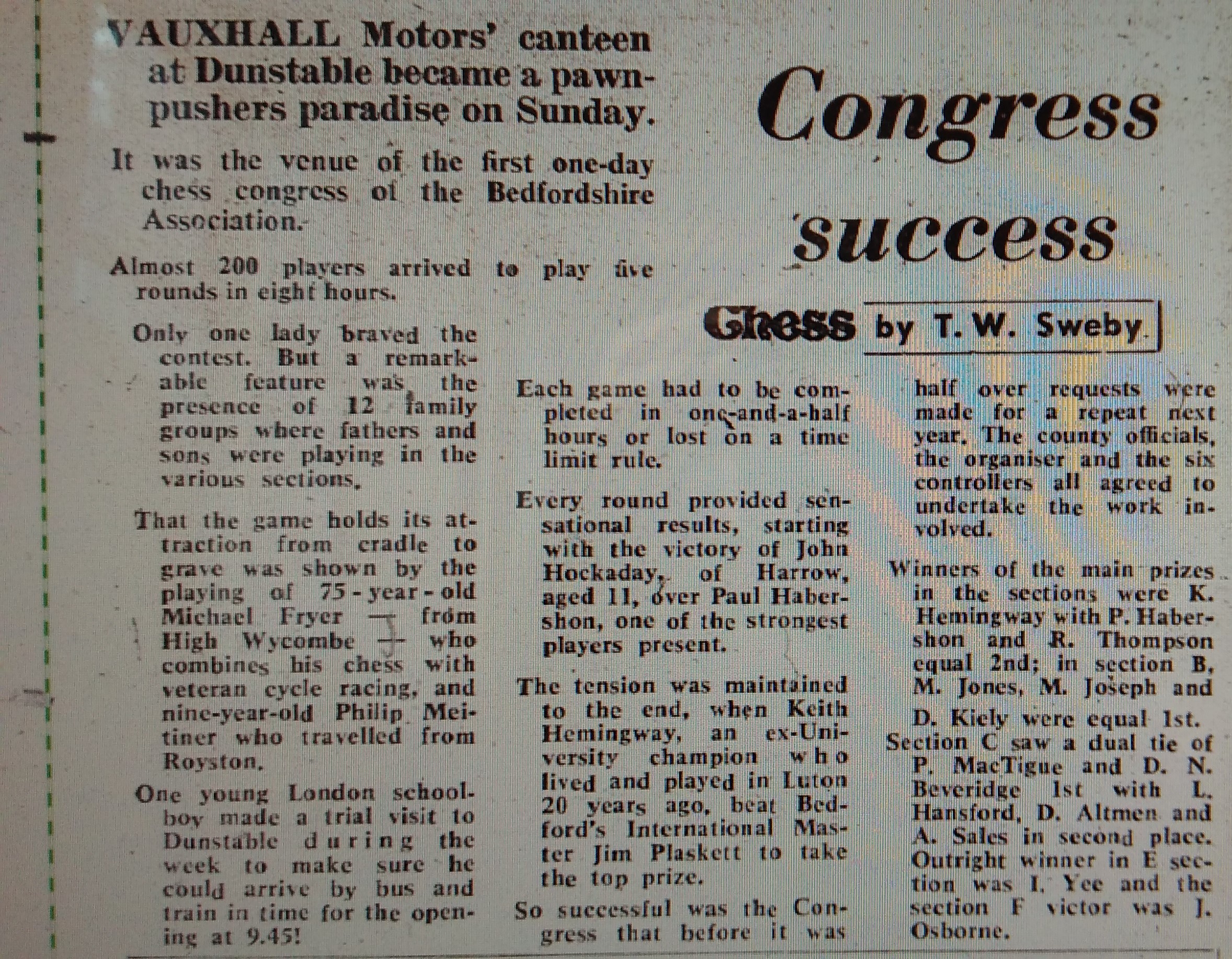
The Luton News, October 9th 1980

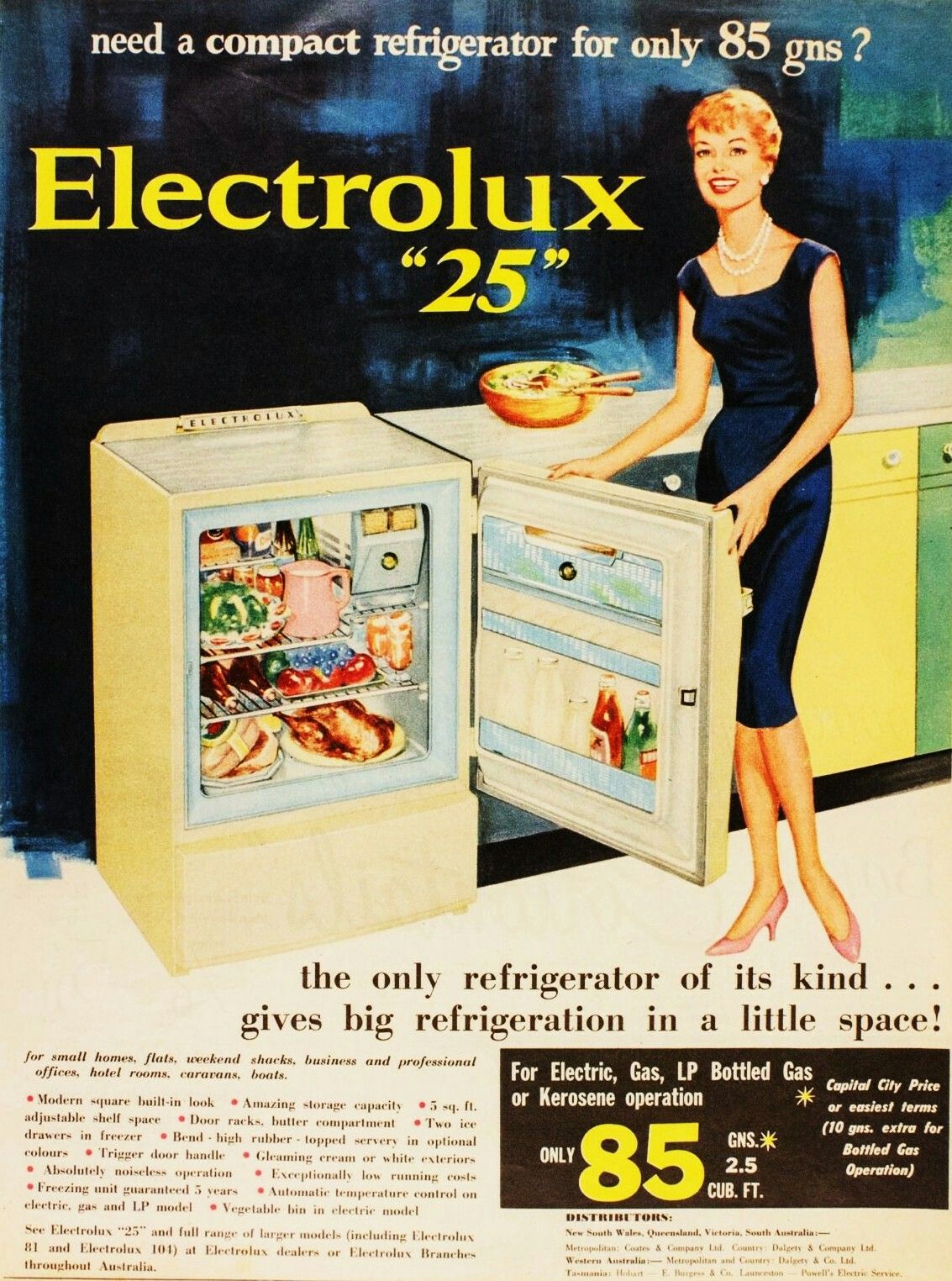
As is shown above Vauxhall attracted the most players and was the first to establish itself as more than a host of league matches. SKF had a team on Sundon Park Road also, and how could we forget Kents (meters)? Commer and AC Delco (Dunstable) Texas Instruments (Bedford) and Scicon (Milton Keynes) also had teams and participated in the league too but hard evidence of those is proving difficult to locate (I do have it somewhere!). Contrarily, Electrolux on Oakley Road Leagrave also had its own club, and for the following information regarding its short-lived existence, I am indebted to former Luton player Peter Gayson’s first hand account:

Regarding our chat online Peter said ‘…before that I played occasional games for Electrolux (the club started by my dad), but school/university limited the opportunities…

I then enquired: ‘So may I ask, it was your father who started The Electrolux cub as you said? Was that based on Oakley Road, Leagrave?’

Peter replied: ‘Yes, my dad worked at Electrolux in Oakley Road. He started the club right after the 1972 Fischer-Spassky match. There was huge interest at first, but gradually players drifted away, and the club eventually folded later in the decade.

I then prompted him further with the following: ‘May I ask, what position did your dad have in the company? Can you remember exactly where they played in the factory grounds and why? Was it always your father that ran it?’

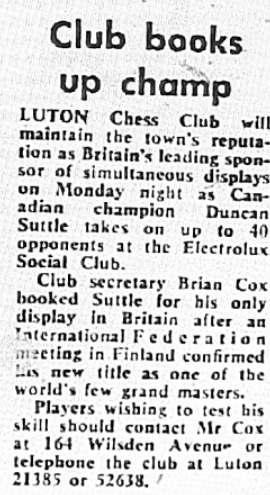
Peter kindly answered with the following: Dad (George Gayson, 1928-1999) was a fridge paint sprayer at Electrolux, who worked there from the late 50s up to retirement. He started the club in 1972. Attendance was pretty good in the early days, with around 40-50 members, but gradually tailed off, and the club folded around 1978-1979. Play was in the Electrolux recreation club, run by Luton FC’s Billy Waugh ( he once introduced me to Joe Payne, one of the club’s famous players, who also worked at Electrolux). I believe the club once hosted a simul by Canadian GM Duncan Suttles, possibly arranged by Brian Cox. After the club folded, I joined Luton chess club, back when it was in the church hall in Bury Park.

With regards to the aforementioned simul, Peter has informed me he did play in it, and I do have proof of its reportage.

The Luton News, date uncertain

With regards to the footballers mentioned, it can easily be confirmed that they did indeed play for the hatters with the following links:

Billy Waugh https://en.wikipedia.org/wiki/Billy_Waugh_(footballer)

(the famous) Joe Payne https://en.wikipedia.org/wiki/Joe_Payne_(footballer,_born_1914)

Mark. J .McCready, 9.24pm October 28th 2023, Al Fursan, Dammam, Saudi Arabia.

Closing Gambit

Closing Gambit is a contemporary, well-produced, and coveted documentary. It’s entertaining, informative and fascinating throughout. There are many ways in which events can be retold, and this documentary does a fine job of doing just that. It’s usually not free on Youtube but I have found a free version and linked it here.

There are comments that are, in my opinion, contentious but I don’t wish to go into that here. However, I do want to offer up a fuller account of Soviet chess then the one offered in the documentary. You can find that below. Generally speaking, it is better to go to academic historians than chess players with regards to the history of Soviet chess, as Dr. Eales clearly states here with his broader account of the subject matter which is in itself based on discourse. A good introduction.

Kasparov talks

An entertaining and informative Kasparov can be found here. And if you’ve ever read his book ‘How life imitates chess’, you will hear some well-rehearsed, familiar content. It’s worth a watch, he can be a great orator at times.

MJM

Let’s hope not!

Bogo-Indian?

MJM

Don’t ask me how but one of the two games I played for Luton whilst in recovery from my main accident, where I fractured my skull alongside a great very many other vicissitudes has been found, and here it is. I do remember the game, and do remember delivering mate.

And in case you can’t read it, here it is:

Mark.J.McCready

Shamal Mohammed

24/11/16 OU v Kents/Luton

  1. e4 e6
  2. d4 d5
  3. Nd2 c5
  4. ce Nc6
  5. Nf3 Qb6 This is an antiquated move which I played because I forgot the theory. Qb6 was premature, the queen should never be moved so early in the French Defence.
  6. exd5 cxd5
  7. Nb3 Bg4
  8. dxc5 Bxc5
  9. Nxc5 Qxc5
  10. Be3 Qd6
  11. Be2 Nf6
  12. 0-0 0-0
  13. Nd4 Bxe2
  14. Qxe2 Nxd4
  15. Bxd4 Rfe8 This is precisely what I aimed for. Mostly inspired by Capablanca in my youth who blockaded an IQP with a bishop in one of his famous games. Normally this is done with the knight and not the bishop.
  16. Qb5 Ng4 I found black’s last move to be strange, the cheap threat is very easily countered.
  17. g3 Qh6
  18. h4 Qh5 Black needs more pieces in attack to make this work. There is no threat here.
  19. Rae1 f6. I understood it but thought it was not the best move in the position.
  20. c4 Ne5
  21. Qxd5 Kh8
  22. Bxe5 Rxe5
  23. Rxe5 Qxe5
  24. Qxb7 Rb8
  25. Qxa7 Qxb2 It was better to take with the rook I thought and was surprised by this.
  26. c5 Rc8
  27. Qa6 Rg8 After this was played I knew I would win.
  28. c6 g5
  29. c7 Qc3
  30. hxg5 fxg5
  31. Qd6 h5 The fatal blunder.
  32. Qh6 mate. Believe it or not it took a second or two to register but then I had not long been out of hospital from a head injury and was not yet fully functional.

MJM