As you might expect, the well-oiled machine that is http://www.chess24.com has brought us yet another wonderful video to watch. In the European Club Championships a non-European, namely Nakamura, is defeated handsomely by Swiss legend GM Pelletier, rated some 200 points plus below. Naka plays his familiar King’s Indian Defence and is lost before he knows what to do against a very clever piece sacrifice. An entertaining and instructive game is analyzed and explained in the vernacular by the multi-lingual, multi-talented GM Jan Gustafsson. Here it is, enjoy:

More from GM Nunn here. Who wouldn’t play Ke5? (Note that white has a peak rating of 2732 and even he got it wrong!)

nunn2

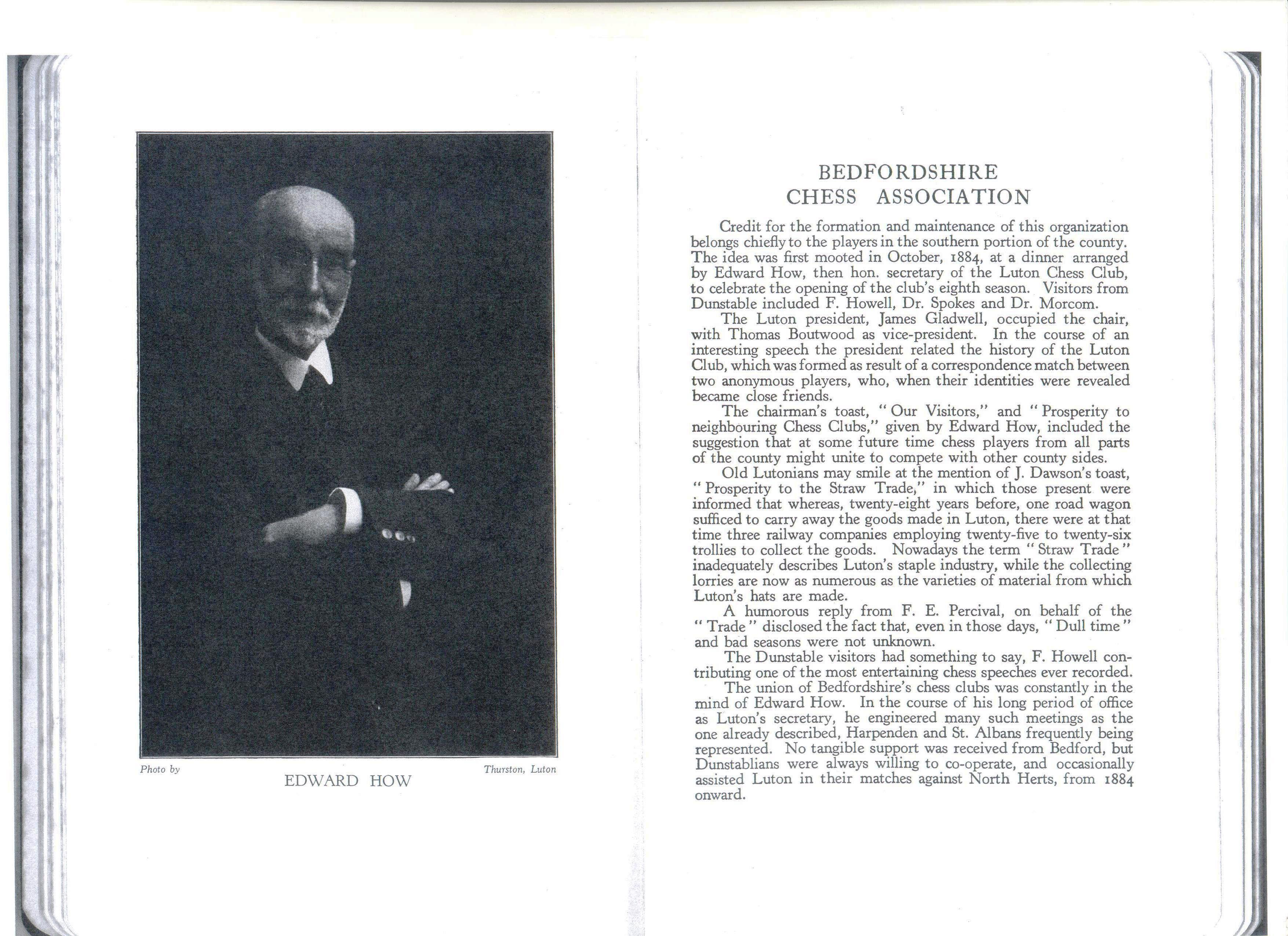
Diggle, who in a -news- flash has become my favourite chess writer, spent at least four years living in my home town just before the war, I was pleased to recently learn. There he befriended the ever-smiling Tom Sweby – Bedfordshire’s principle post-war chess representative, and a man I had the pleasure of meeting as a once promising junior, long, long ago. It would appear that he also knew the esteemed Secretary of Luton Chess Club Brian Cox too. (see Part 5 of https://mccreadyandchess.com/2015/06/05/bedfordshire-chess-in-the-70s-its-past-and-its-future/). Here is Diggle’s take on the unlikely duo and my home town. (Reminiscences of a Badmaster [Vol.1])

                                34. Grandmaster Mecca

The Luton Chess Club (of which the BM has pleasant memories from 1935-1939) celebrates its Centenary this year. Among generations of its stalwarts, two great figures in particular bestride the Century. In a match played in 1931 between Luton and Northampton, we find on adjacent boards the names of Edward How and T.W.Sweby. The former, then 83 years of age, playing in his last match, had been a founder member in 1878, Hon. Sec. for over 30 years, and President thereafter. The latter, playing in his first match, was destined after a long stretch as ‘general factotum’ to ‘stagger along’ (his own expression) as President (which he still is) for the ensuing quarter of a century. In How’s time Luton was visited by Blackburne, Zukertort, Lasker, Capablanca, Reti, and Alekhine; in Sweby’s (during the past decade alone) by Larsen, Keene, Hartston, Wade, Tal, Glogoric, Suttles, Korchnoi, Petrosian and Hort. The popularity of Luton as a ‘Grandmaster’ Mecca can be ascribed partly to the organising genius and dynamism of a remarkable Secretary (Brian Cox) and partly to the hospitality of its President and his charming wife. One cam almost believe that Grandmasters (after the manner of tramps) inscribe mysterious signs on the front gate of the ‘White House’ when departing, to notify those that follow that they will find the place ‘a bit of alright’.

The younger generation of Luton chessplayers , however, may be surprised to hear that in his earlier days, ‘T. W. S.’ [Diggle is referring to how Sweby signs his Luton News Column] (who now ‘leaves all the organization to Michael’) himself embarked on chess ventures, some of a peculiar kind [of course, those of us who knew Tom Sweby would not be surprised at all, being the great raconteur that he was]. On one occasion eight local players received ‘top secret’ letters instructing them  to be at the front entrance of the Midland Hotel at a certain hour – they would then be ushered in to take part in an eight round ‘Mystery Lightening Tourney’ against eight ‘Invisible Masters’! Another eight Luton chessists each received a similar letter, except that their venue was another entrance round the corner. The two parties (in the custody of T. W. S. and the BM respectively) were smuggled up different staircases and via separate doors into opposite halves of a large room divided by a high folding partition; each half contained a row of eight boards. Play then commenced T. W. S. calling out ‘over the wall’ the first move made by his No.1 Board and the BM making it at once on the corresponding No.1 and so on to No.8, then the process was reversed, the BM calling the replies and the T. W. S. making them. At the end of each round, one contingent ‘moved one up’ as in the Mad Hatter’s tea-party – the other lot sat still. Though all combatants had been enjoined to observe the strictest silence each set of ‘Invisible Masters’ rumbled the other (collectively) in no time, the rot being started by a well-known character with a notorious high-pitched cough which he suddenly emitted during the second round. Thereafter, the announcements of the moves were punctuated by derisive comments from the performers: P-KR3 ‘I bet that’s Joe, the cautious old bastard’ or ‘Resigns’ (loud laughter) ‘that’s Len’s cackle but he sounds three boards off me’. By a masterstroke of timing the last round terminated at 9.30 pm and was followed by a general stampede to the bar – where the ‘first round’ started!

z1

12091178_607357609405597_4381037998926246791_o

Luton in Diggle’s days. Note that the ‘Midland Hotel’ (painted white) can be seen to the left.

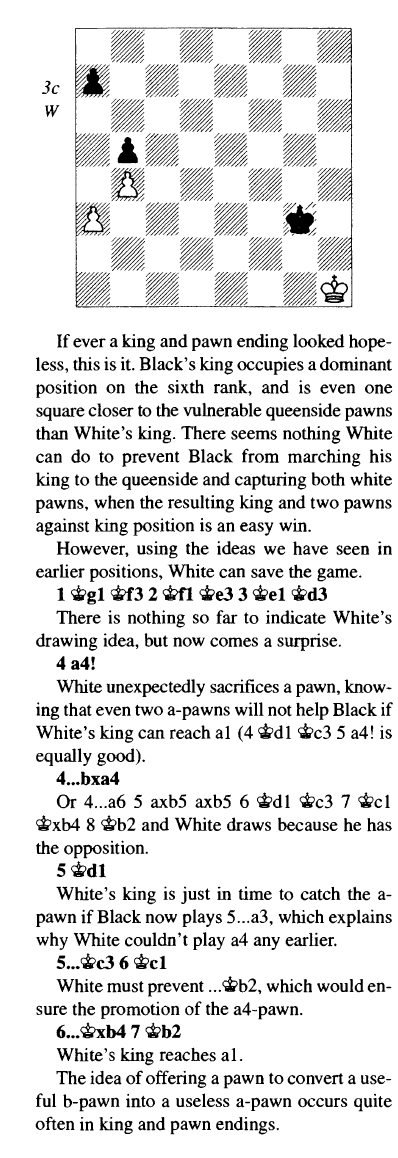
A lost case?

Here’s an interesting read from a great book.

nunn1

Understanding Chess Endgames, Dr.John Nunn (2009) pg. 13

Firstly, complete with a style full of comedic cynicism that yours truly is quite jealous of, some advice on how to handle reading material from the Badmaster himself now follows.

(G.H.Diggle: Chess Characters – Reminiscences of a Badmaster).

  1. Bulging Bookshelves

Britain is, as never before, teeming with new chess works the purchase and study of which (the more sanguine reviewers imply) will rapidly ‘people this Isle with grandmasters’.

Speaking as an embittered local Bad Master of 50 years’ standing, we have our doubts. If no man by taking thought can add one cubit to his stature, can a chess player do so by steeping himself in ‘bookish theoric’? He may keep what chess he has in good running order – he may even pick up a few spare parts – but he will still be saddled with his original brainbox. The great Deschapelles, we are told, never looked at a chess book; Paul Morphy looked at very few; and those of us whose bookshelves bulge with semi-digested works, ‘without which no chess lover’s library could possible be complete’, are tempted to think, in our sombre moments, that left on our own we might have achieved fame -as it is, we shall die as we have lived, befuddled by the verbosity of pedantic humbugs.

Our own nasty suspicions of chess literature were first aroused in 1945, when the enterprising officials of the Lud-Eagle Chess Club arranged for a number of consultation games to be played there in public by the leading players then in London. On hearing what was afoot, we hied us to the Lud-Eagle in a state of delighted anticipation – here was a chance of actually overhearing the experts planning aloud – we expected not only an intellectual but a philological treat, for we naturally supposed that their consultations would be couched in the same mystic language in which they are depicted by 20th century annotators as thinking things out when playing on their own. Thus we hoped to hear, as we hovered ecstatically on the fringe of the crowd, such fragments as – ‘From the strategical point of view, Dr X, I am inclined to agree that P-KR3 is positionally indispensable; but a feeling of psychological malaise pervades me as though something more dynamic were called for; and incidentally (though I am loath to distract a man of your calibre with mere tactical trivialities) we must first liquidate the technical obstuction of our King being in check!’

But alas, all we did in fact hear was a series of muffled banalities such as ‘the snag is. the rook’s pinned’, ‘if we swap off, the Knight pops in’, and once (most deplorable of all) ‘you swore blind we could hold the bally pawn!’

We came away shaking our hoary head -and we are shaking it still.

July 1974

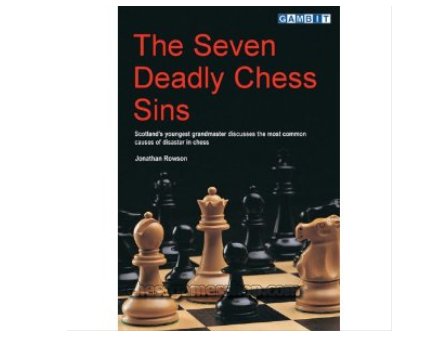
Secondly, on a more optimistic note, the most thoughtful and practical chess book I have ever read is the Scottish GM Rowson’s The Seven Deadly Chess SinsThe seven deadly chess sins_ChessGamesShop_d48a56f4061683349164399fd168430dRowson is not just a grandmaster, more importantly he is educated with a Ph.D in Philosophy at Oxford. He is one of the few writers in chess that can improve your game as the primary subject of the book is the psychological states people play chess in -well worth a read.

More from the irrepressible Badmaster (G.H. Diggle) here:

18. Blake’s deaf ear

The Badmaster (though on principle he never draws attention to his own errors when he has not been found out) thanks Messrs John Beach and J.C.Calvert for setting him right over H.E. Atkins. As Mr. Beach adds in his most interesting letter, the old lion lived to be over 90. Another famous chess nonagenarian was the redoubtable J.H. Blake. After retiring from serious play, Blake was in his later year Secretary of the aristocratic City of London Chess Club, which flourished between the wars at the imposing address of ‘Wardrobe Court, Doctors Commons’ (between St.Pauls and Blackfriars bridge). The club was on a first floor and occupied two spacious rooms on either side of the landing, one for match play, the other more of a lounge, with a refreshment bar and many portraits of masters on the walls, like the ‘Long Room’ at Lords. Occasionally the match room was let by concession for County Matches, and ‘Beds’ sometimes played ‘Berks’ there, the former team including R.H Rushton, T.W. Sweby, the Badmaster, ‘and others’. On one occasion the clans duly gathered for the fray, but remained for a time huddled together on the landing, as no one seemed to know who had the key. Through the frosted glass on the other side we could dimly make out several eminent club Members such as R.C.J. Walker and J.M. Bee (the Chess Editor of the ‘Sunday Times’) reclining at their ease in the ‘lounge’. After a while, the ‘the people began to murmur against Moses’, and a general air of ‘Why are we waiting?’ (though no one ventured to burst into song in that hallowed spot) pervaded the assembled warriors, until finally the venerable Blake himself (having been apprised of the situation) sailed into port and opened Sesame. At this point one of our more forthright lower Boards ( a hardboiled Lutonian),  who thought Blake was the caretaker, expressed (not too inaudibly) the view that ‘Old Rip van Winkle was past his job’. ‘T.W.S’ and the badmaster exchanged glances of inexpressible horror, but luckily Blake had suddenly grown very deaf… .

Courtesy of Glynn’s Bookstore http://www.biblio.com/bookstore/glynns-books-norwich , G.H. Diggle’s Reminiscences of a Badmaster Vol I & II arrived via airmail last week. (Badmaster was a title awarded to Diggle by C.H.O’D. Alexander in a Christmas Card after Diggle lost a game in 7 moves). You can find more on O’ Donel Alexander here https://en.wikipedia.org/wiki/Conel_Hugh_O%27Donel_Alexander

IMG_0423

I began reading it whilst keeping an eye on my daughter as she played in a nearby Kidzoona, yet another example of Japanese ingenuity, but had to stop reading pronto as I attracted far too many concerned stares from other waiting parents who perhaps wondered if I were a bit mad -I could not contain the ensuing paroxysms of hilarity!

Diggle writes satire with an abundance of both pause and panache, the likes of which I have never encountered before. He is immeasurably entertaining and has a style that is unmistakably his. Though he was not the strongest chess player of his time, I strongly suspect he is by far the most gifted writer ever to have graced the chess board in its long, long history.

Those from my home county Bedfordshire may wish to take note that Diggle once played for Bedfordshire (scroll down to 7223. for evidence http://www.chesshistory.com/winter/winter85.html ) and was acquainted with our leagues senior figures of the post-war period. Here’s an excerpt from the BM (Badmaster)

12. The BM’s finest hour

The Badmaster always regards the year 1945 as ‘his finest hour’. The war was just over -no one had been demobbed or seemed to be doing any work – plenty of chess was going on in London, and best of all there was no ‘grading’ and ‘grandmaster’ nonsense in those days, and chess impostors like the BM could put their name down for any tournament they liked. A huge ‘mixed bag’ of 128 players entered for the London championship; these were reduced by four ‘knockout’ rounds to eight; three well-known ‘seeded’ players were added, and the resulting eleven then played ‘American’ in the final. Believe it or not, the BM (through the vagaries of the draw) survived to be in the last eight; and for a glorious ten days he was in the news, competing with people like Sir George Thomas, Dr. Aitken, Dr. List, G.Wood and other experts.

The tournament was won by G.Wood (though not everyone had backed him to do so); the Badmaster came bottom of the poll (and here every forecast was right). But, as the argumentative boy in the scripture class pointed out in defence of ‘he that is least in the kingdom of heaven’ – ‘ANYHOW, HE GOT THERE!’ Moreover, to this day, the BM refuses to attribute the result to the superiority of his opponents, he lays the blame fairly and squarely, on harassment by the chess press, who frightened him out of his wits. Every round, they adopted the following horrible procedure. Headed by the bearded bohemian William Winter, they came nosing round after the first half-dozen moves to see what was cooking. Like those ungodly persecutors in the 59th psalm they ‘wandered up and down for meat.’ Then the great Winter, after glancing for an awful moment over the petrified BM’s shoulder, would instantly recoil with a hissing intake of the breathe, scribble some doomridden fragment in his notebook, and pass on to the next victim. Then the whole pack would troop off to a neighbouring bar. After they’d gone, the BM would recover his nerve and make some brilliant combination which only just lost, and which the Press ought to have been there to report to the World. But as soon as his game was in the last throws they would all come back. ‘And at evening’, to quote the psalmist once more ‘they will return, grin like a dog, and run about the city’. The experienced Winter always gazed at the ruin of the BM’s position with a lacklustre but logically satisfied eye, reminding one of Lear’s favourite limerick:-

‘There was once an old man with a beard

Who said ‘It is just as I feared!’
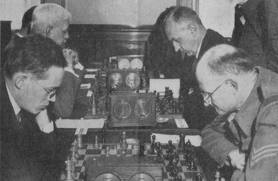
download

Diggle is to the right and at the front.

Here is the trailer for the latest documentary on chess. Certainly one to look out for.

The so-called ‘historical method’ [implies the avoidance of] imaginative excess (i.e enthusiasm) at any price.

Hayden White, Tropics of Discourse, Johns Hopkins, University Press, 1978 p. 126

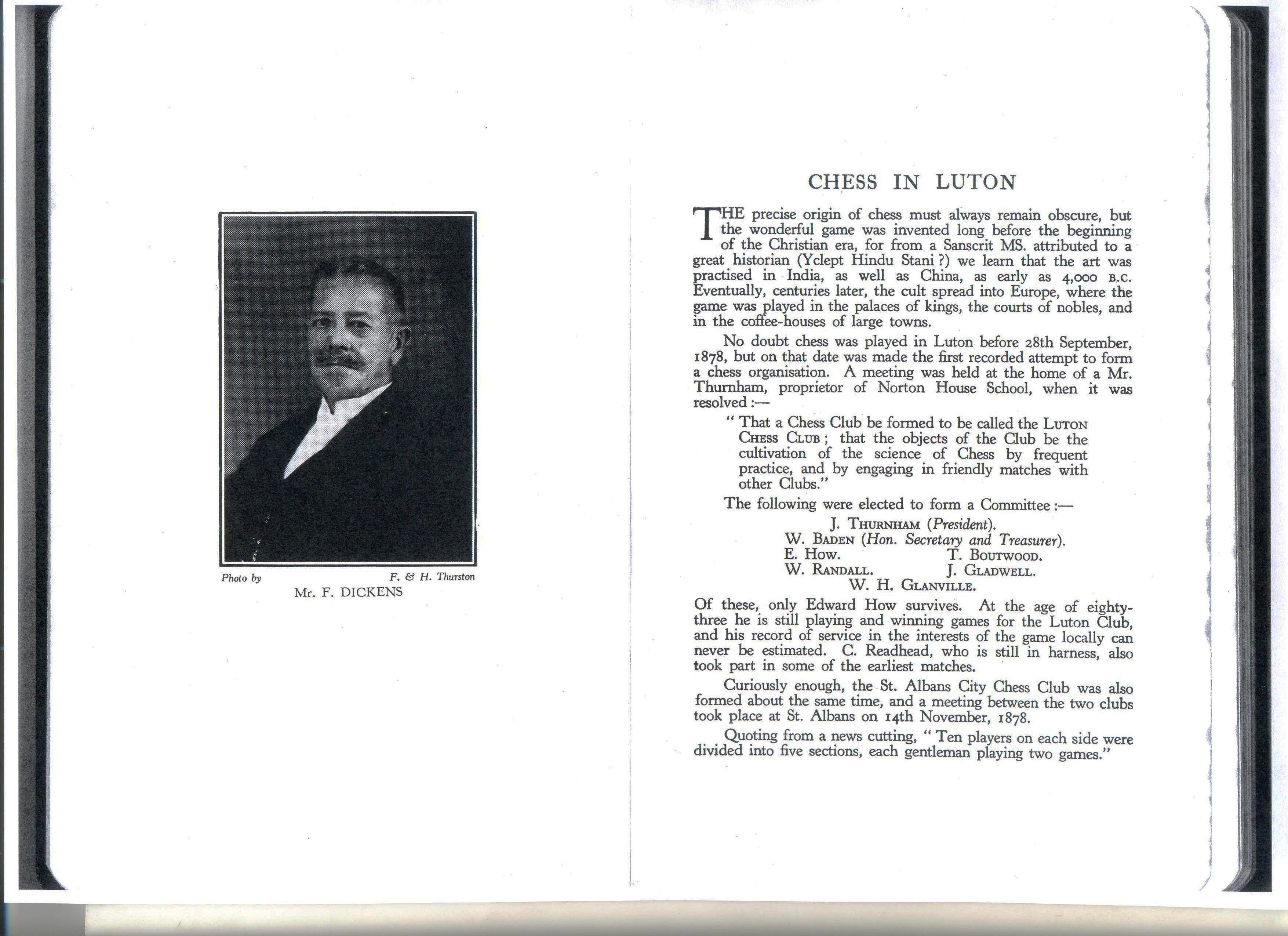
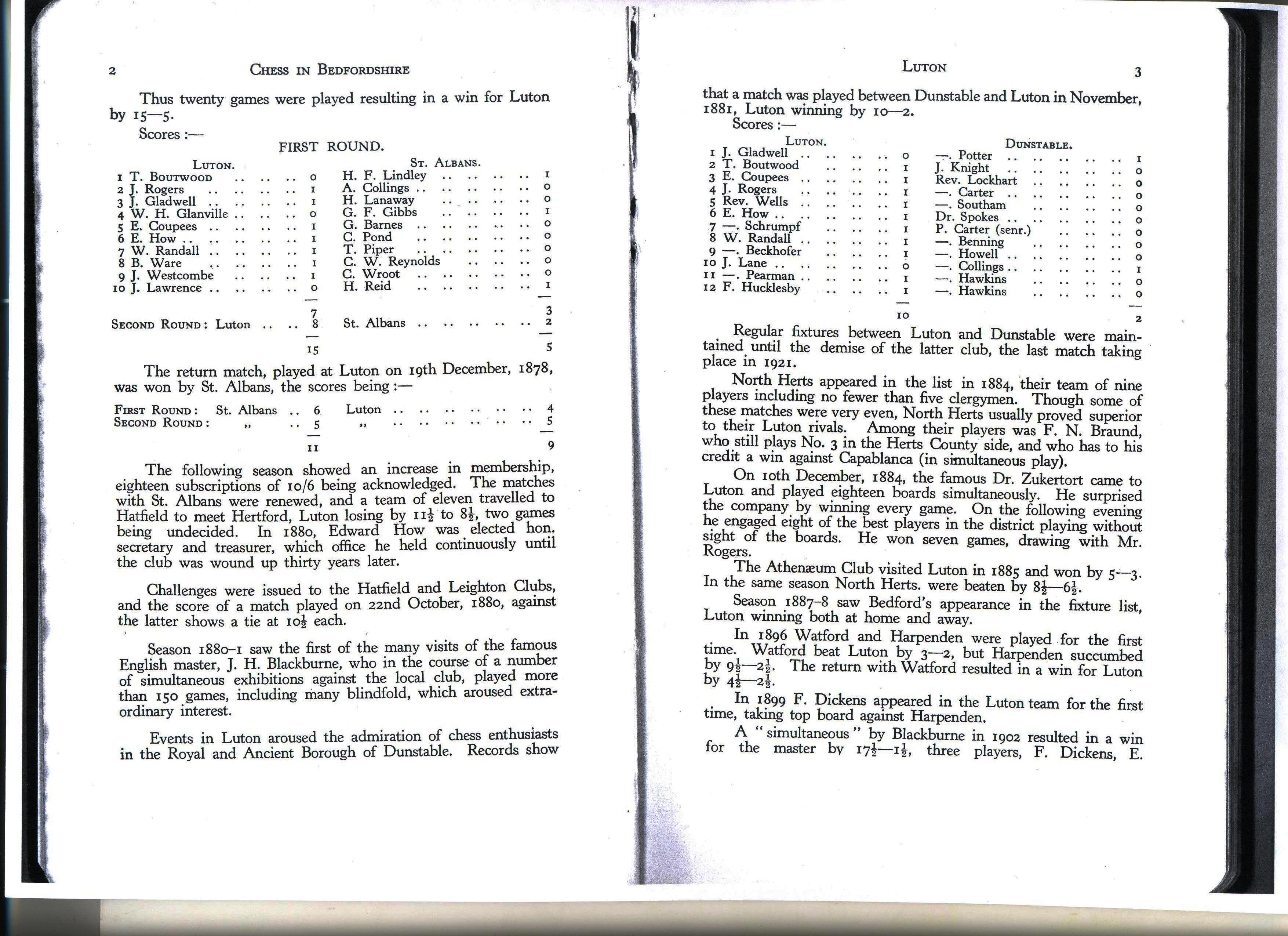
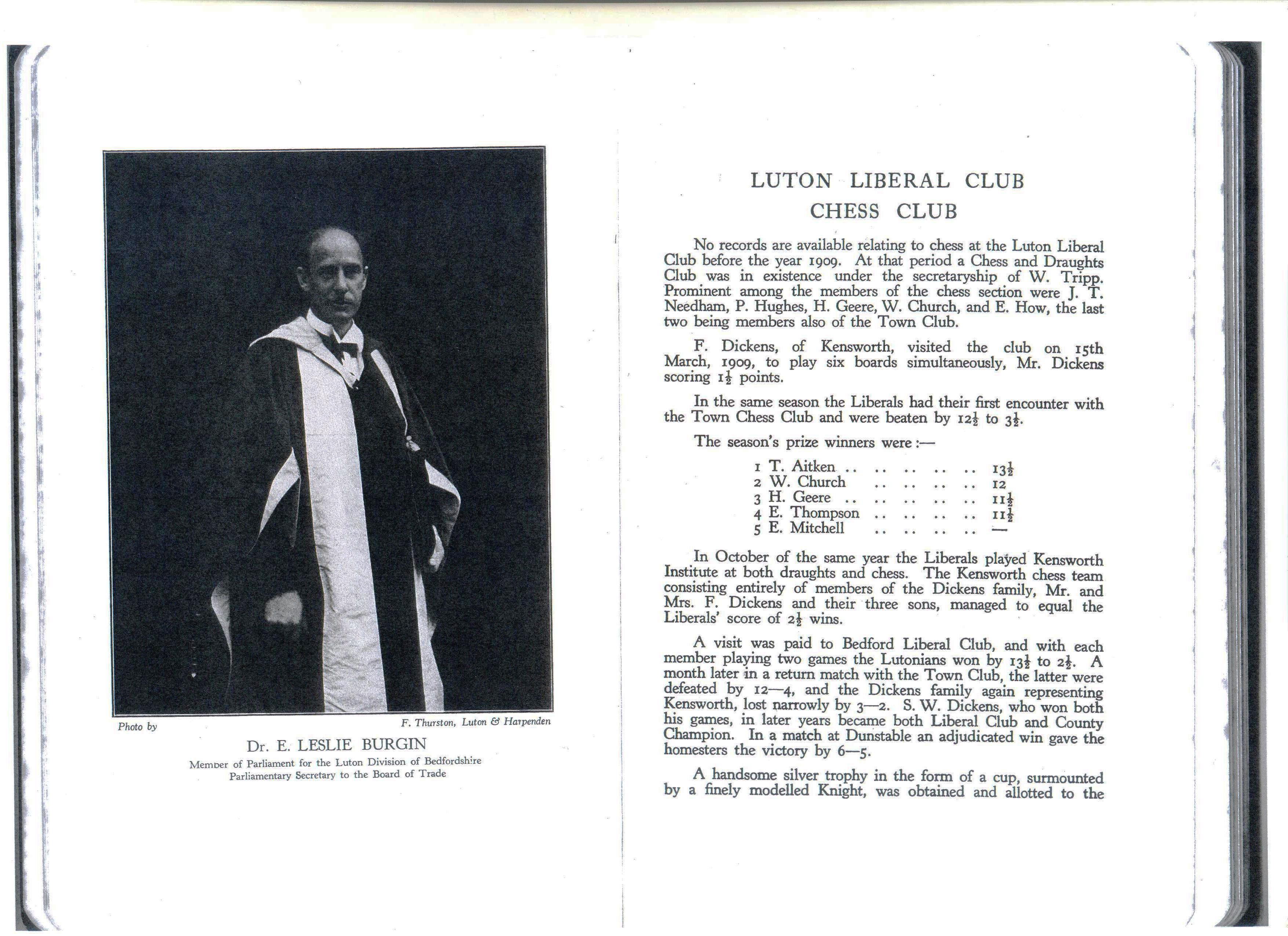
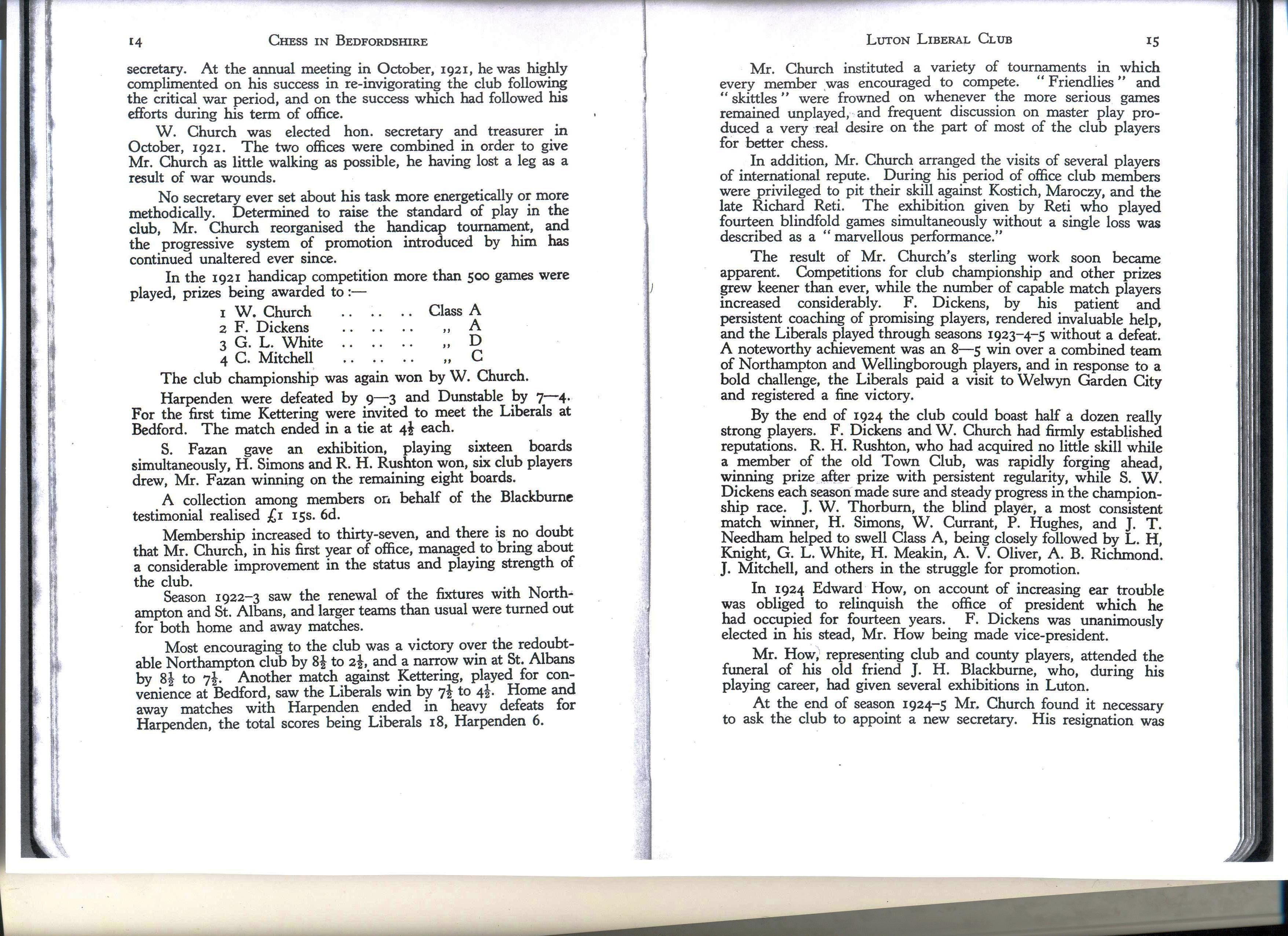
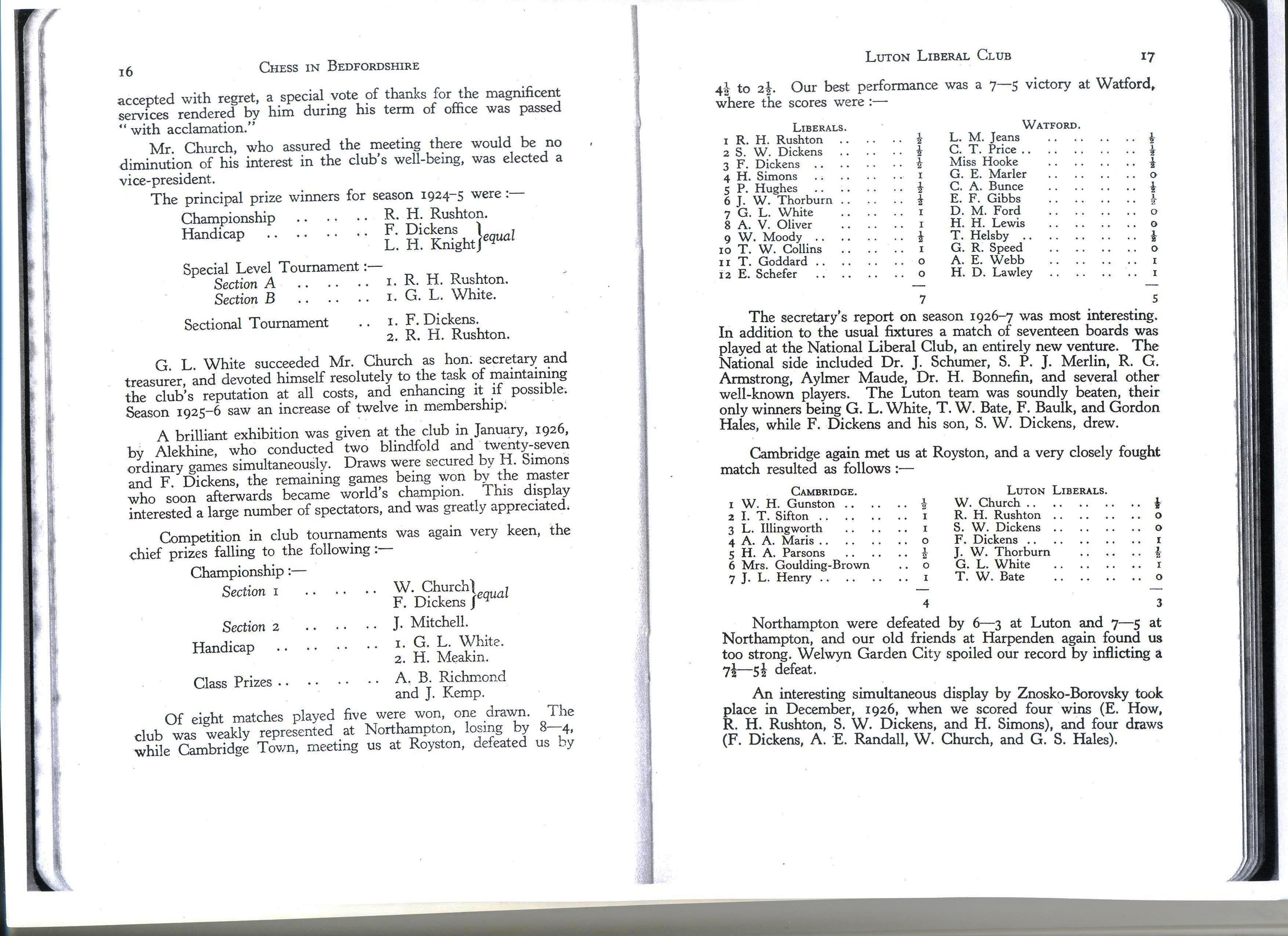
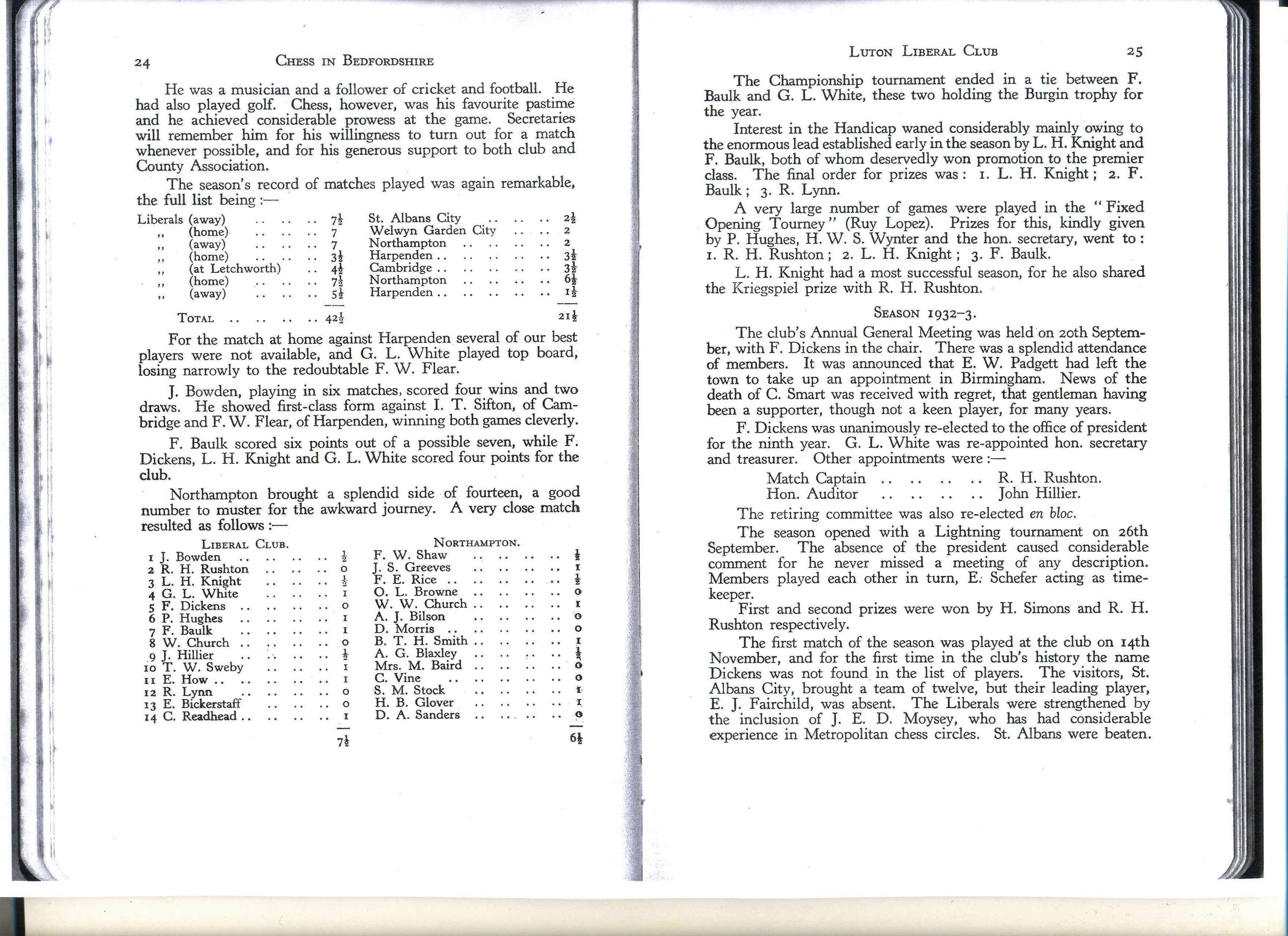
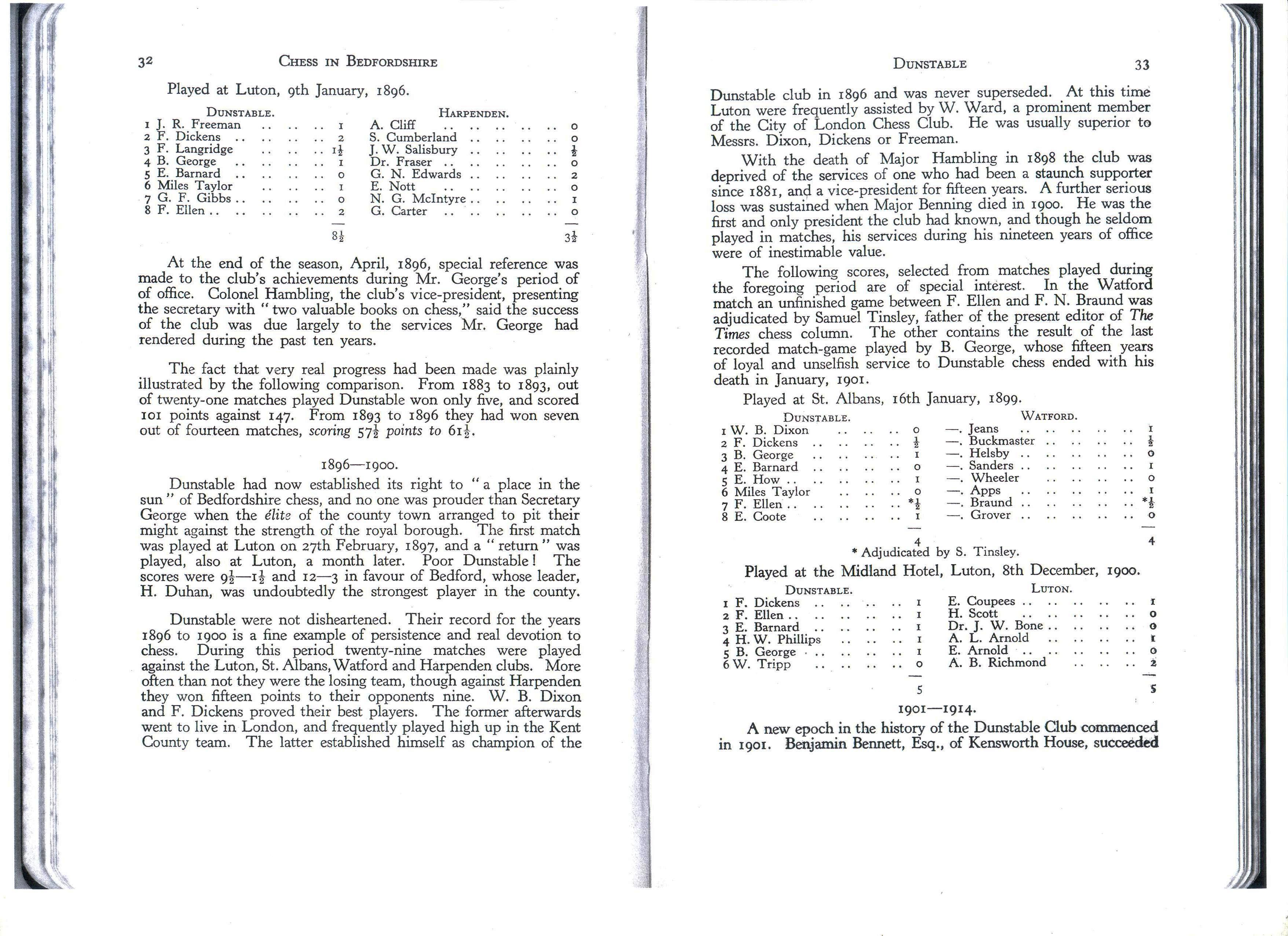
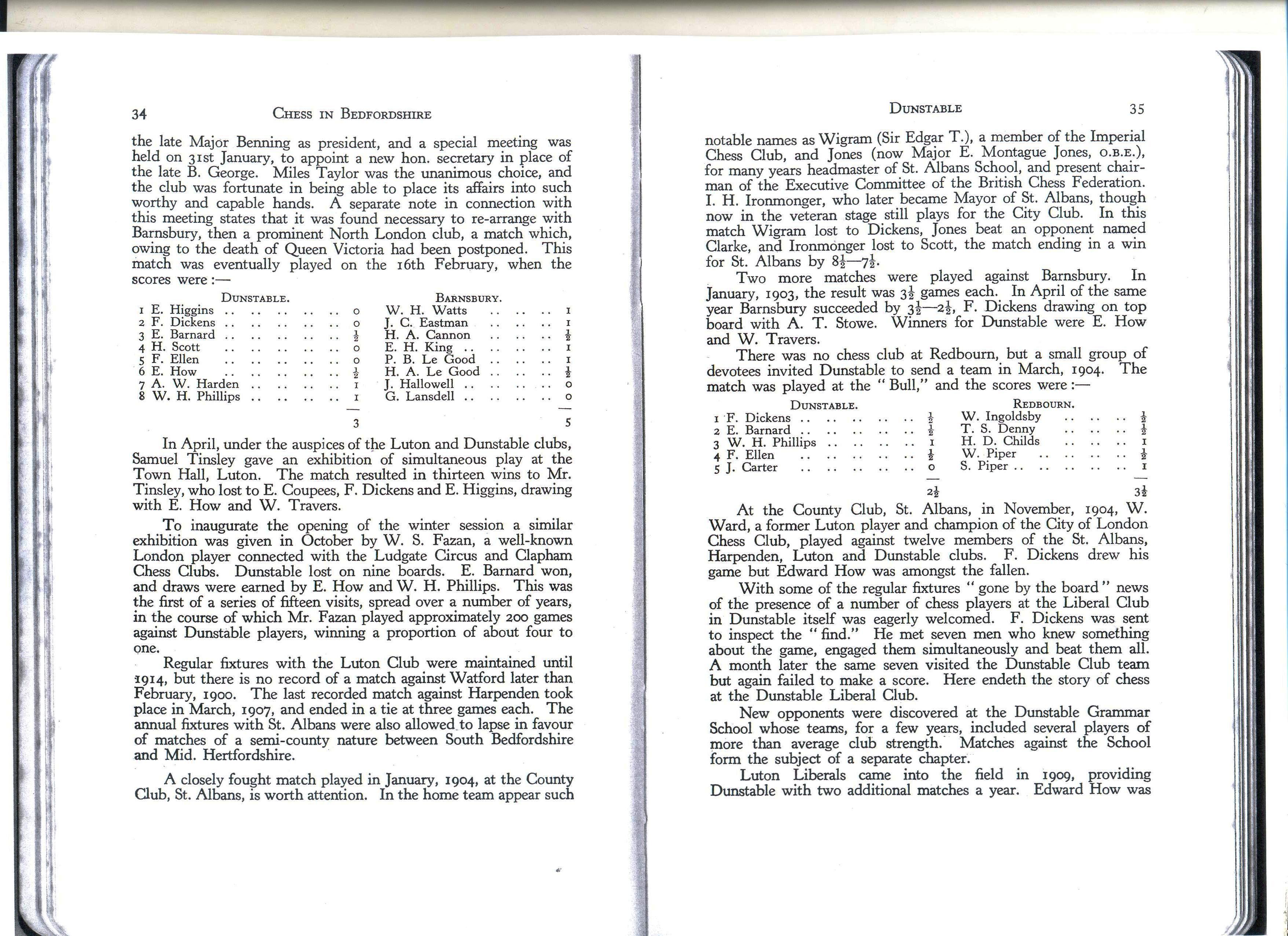
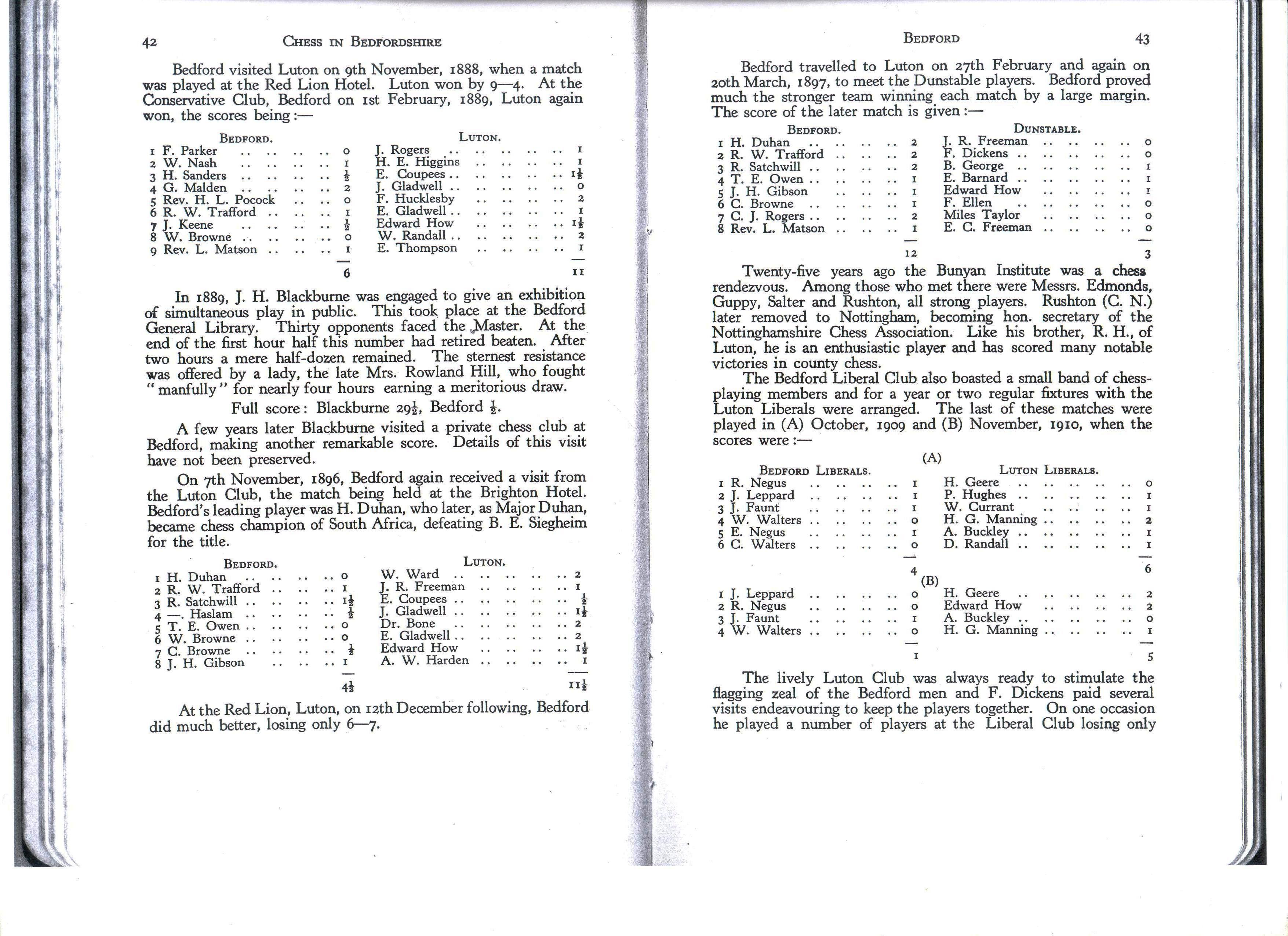
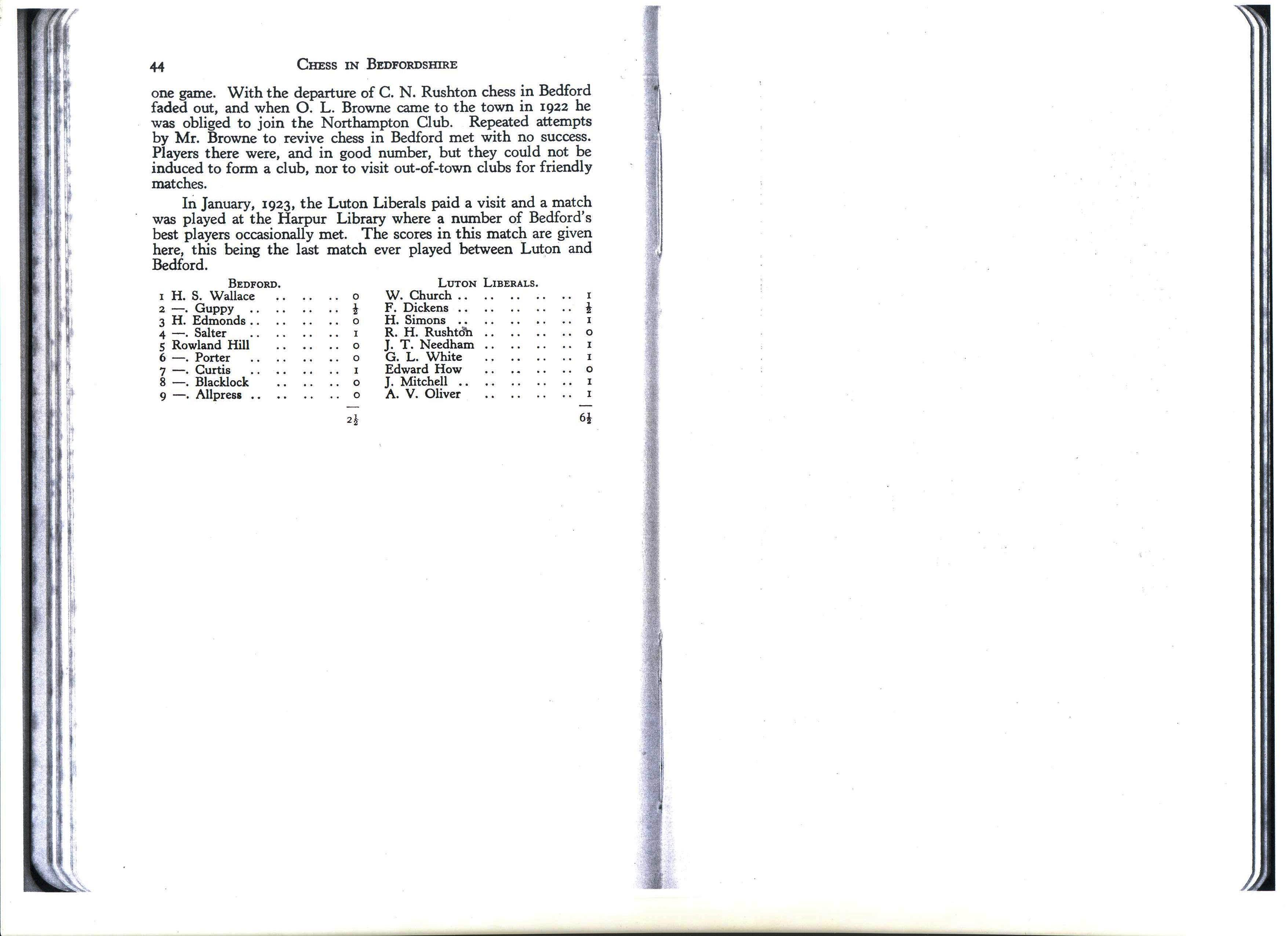
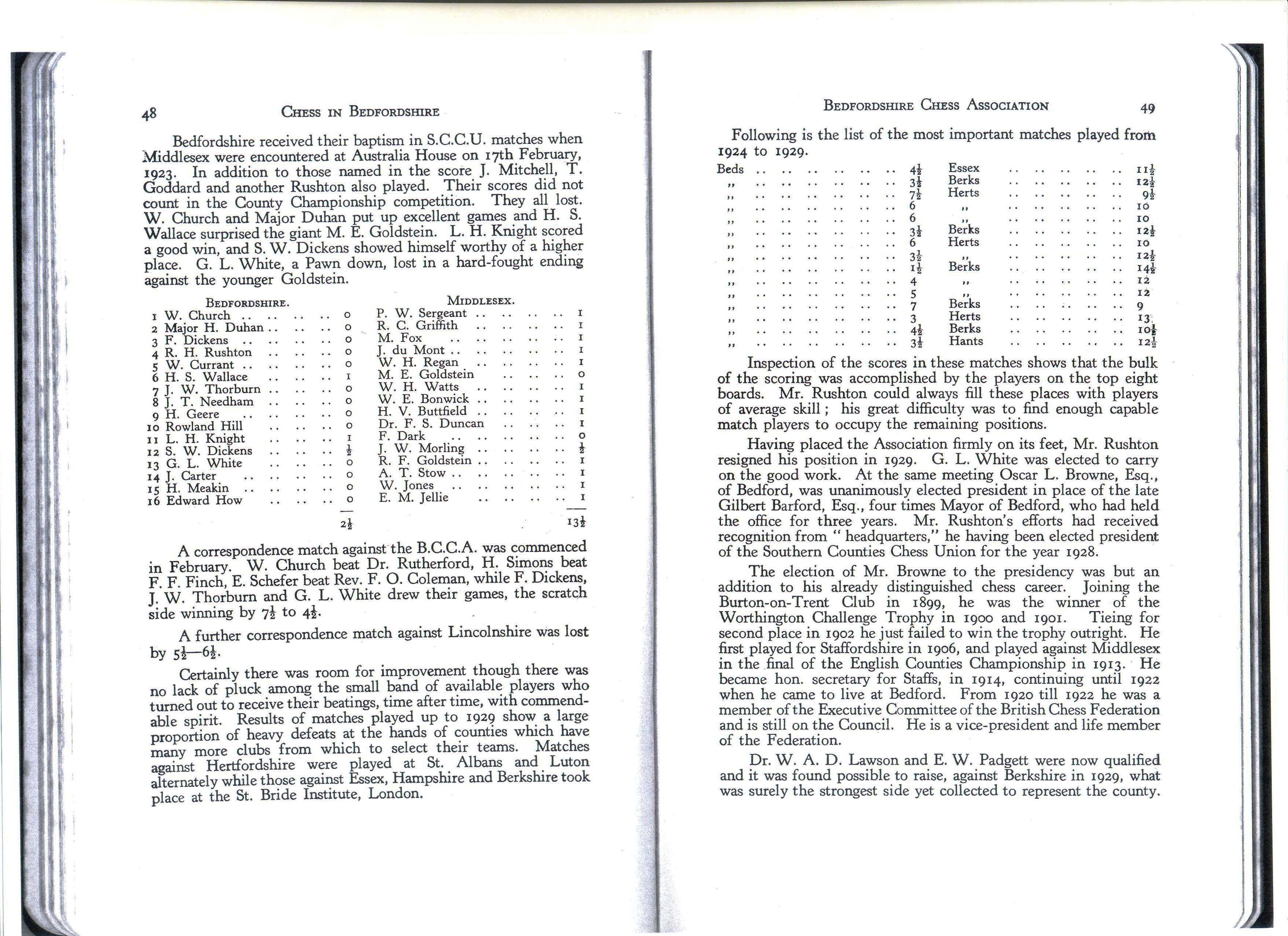
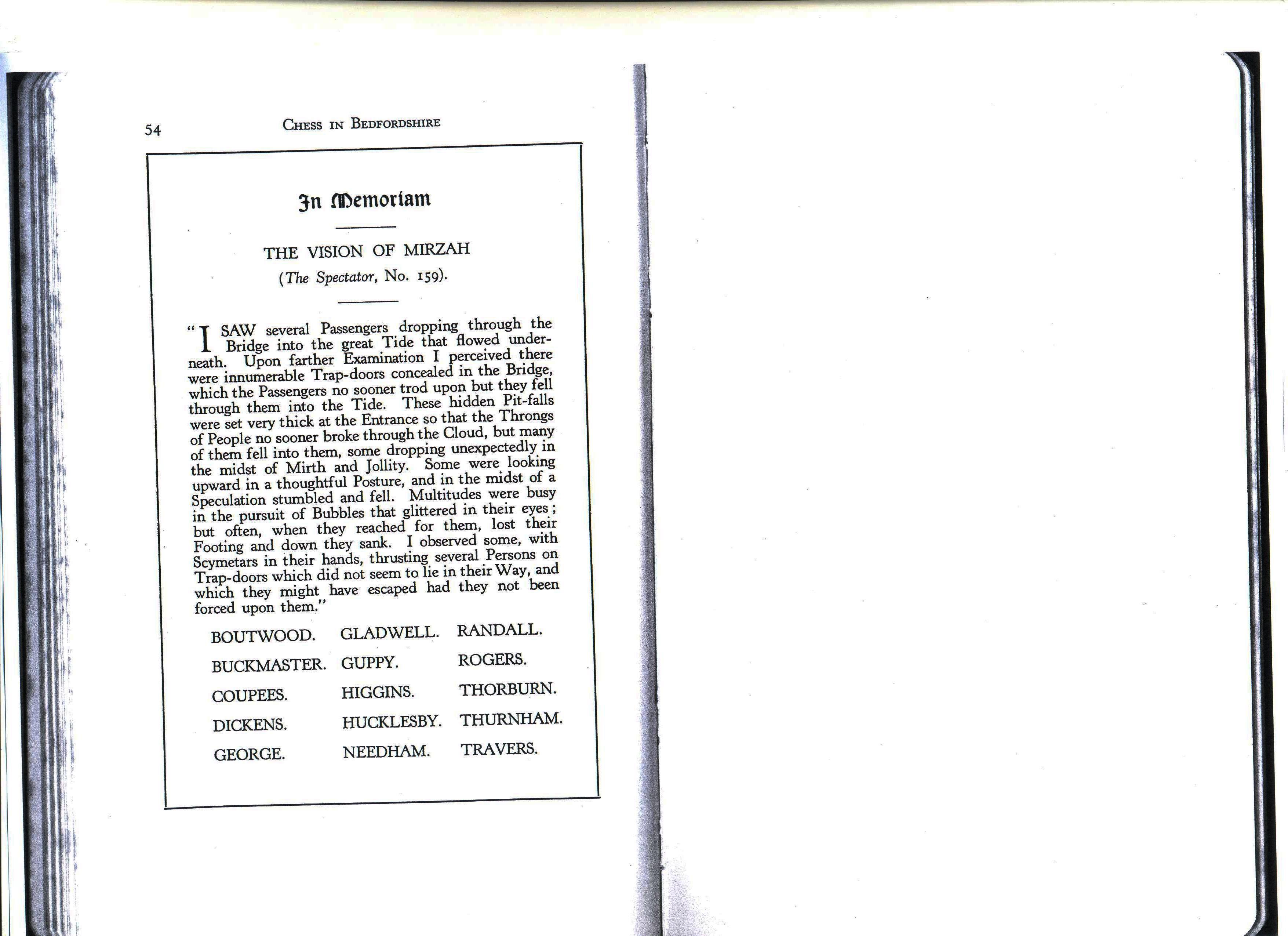
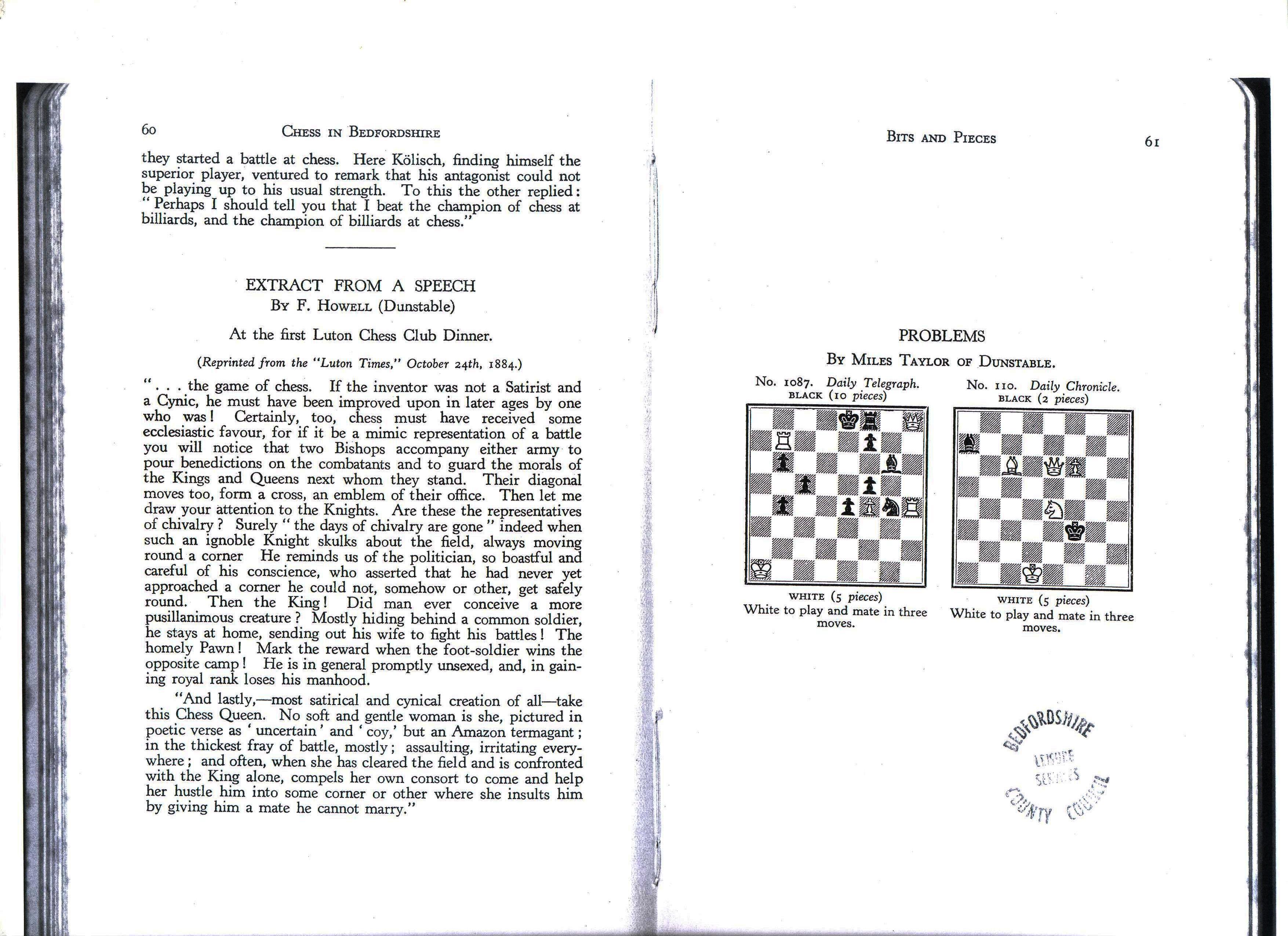
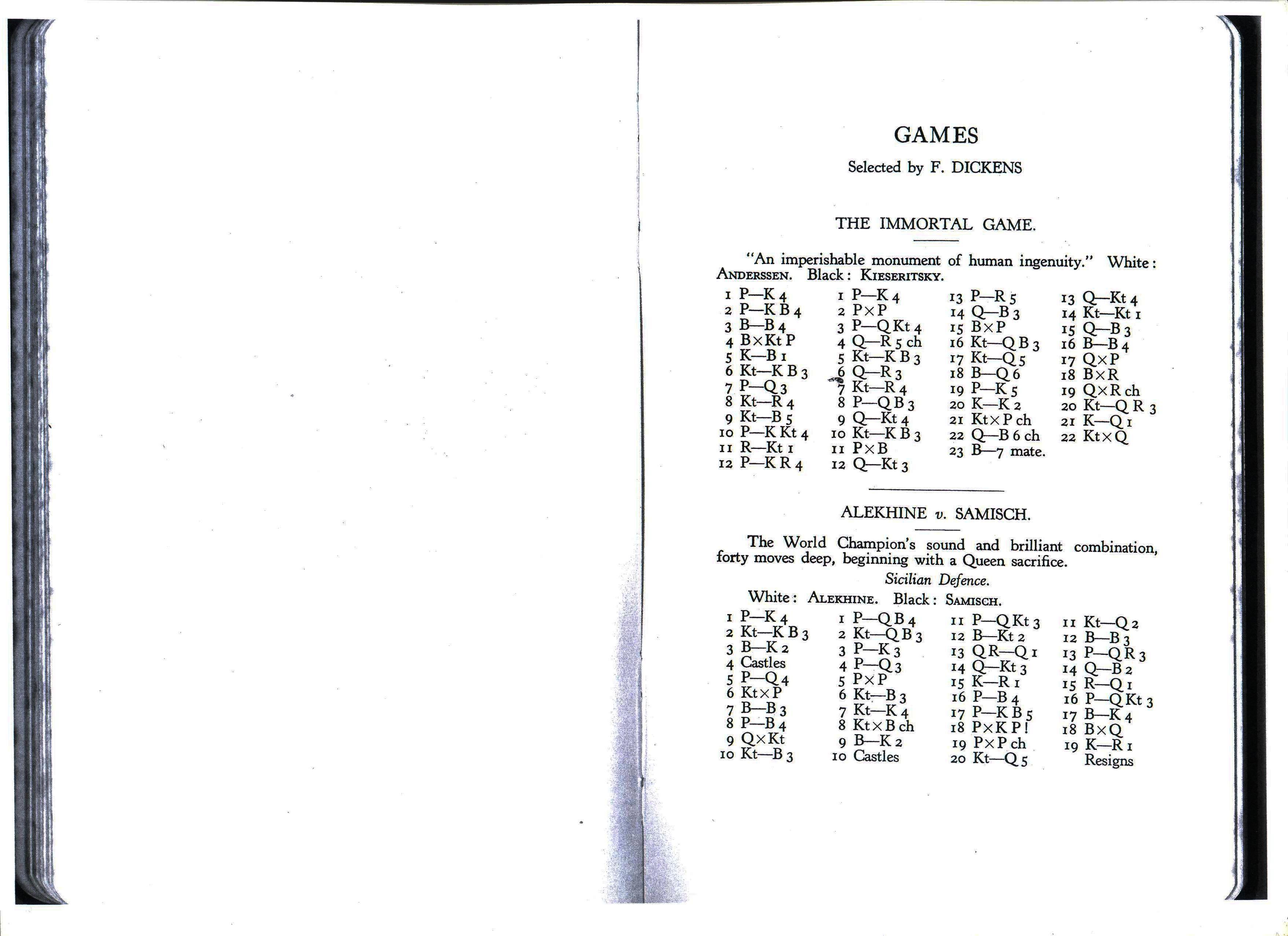
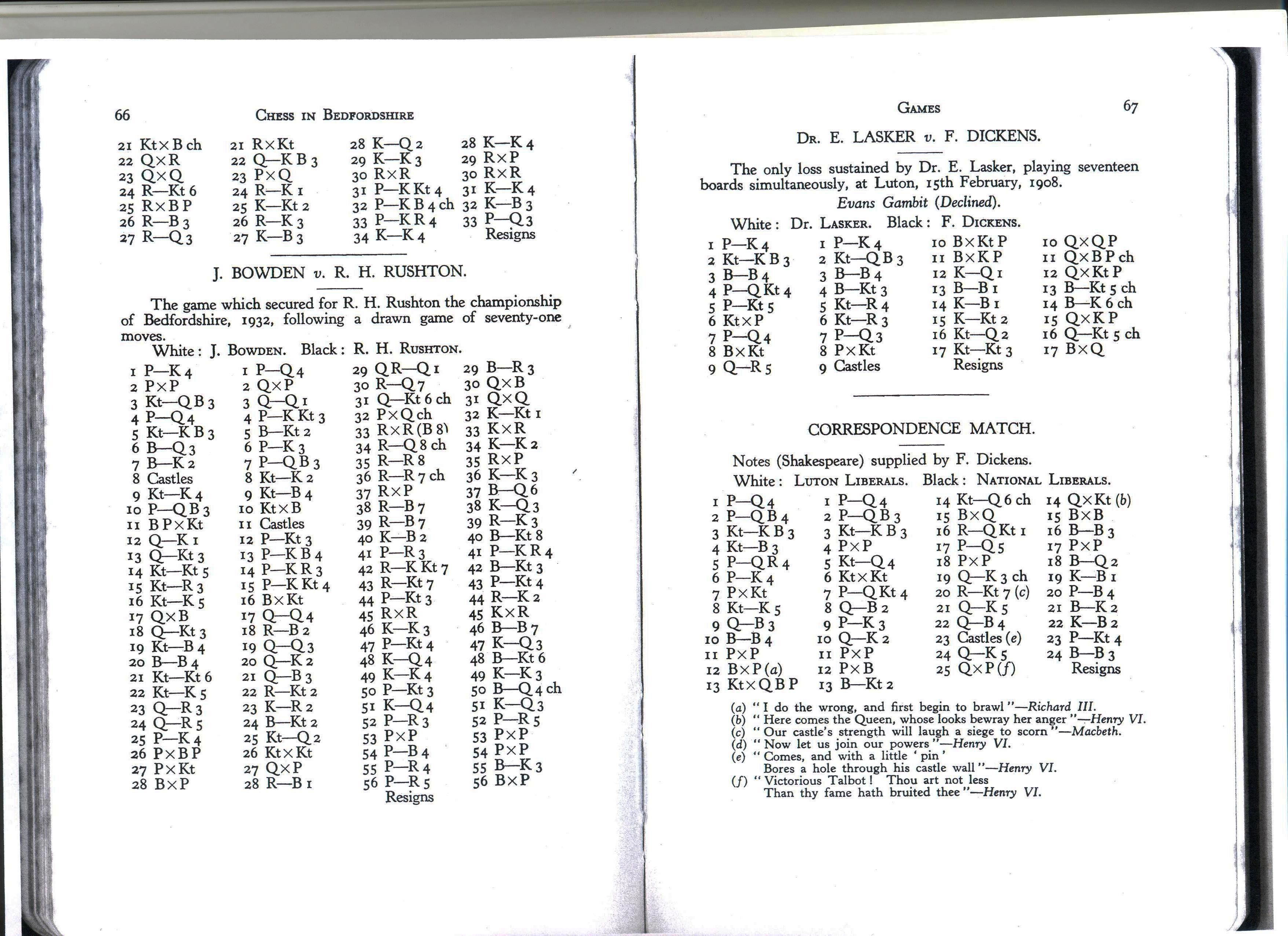
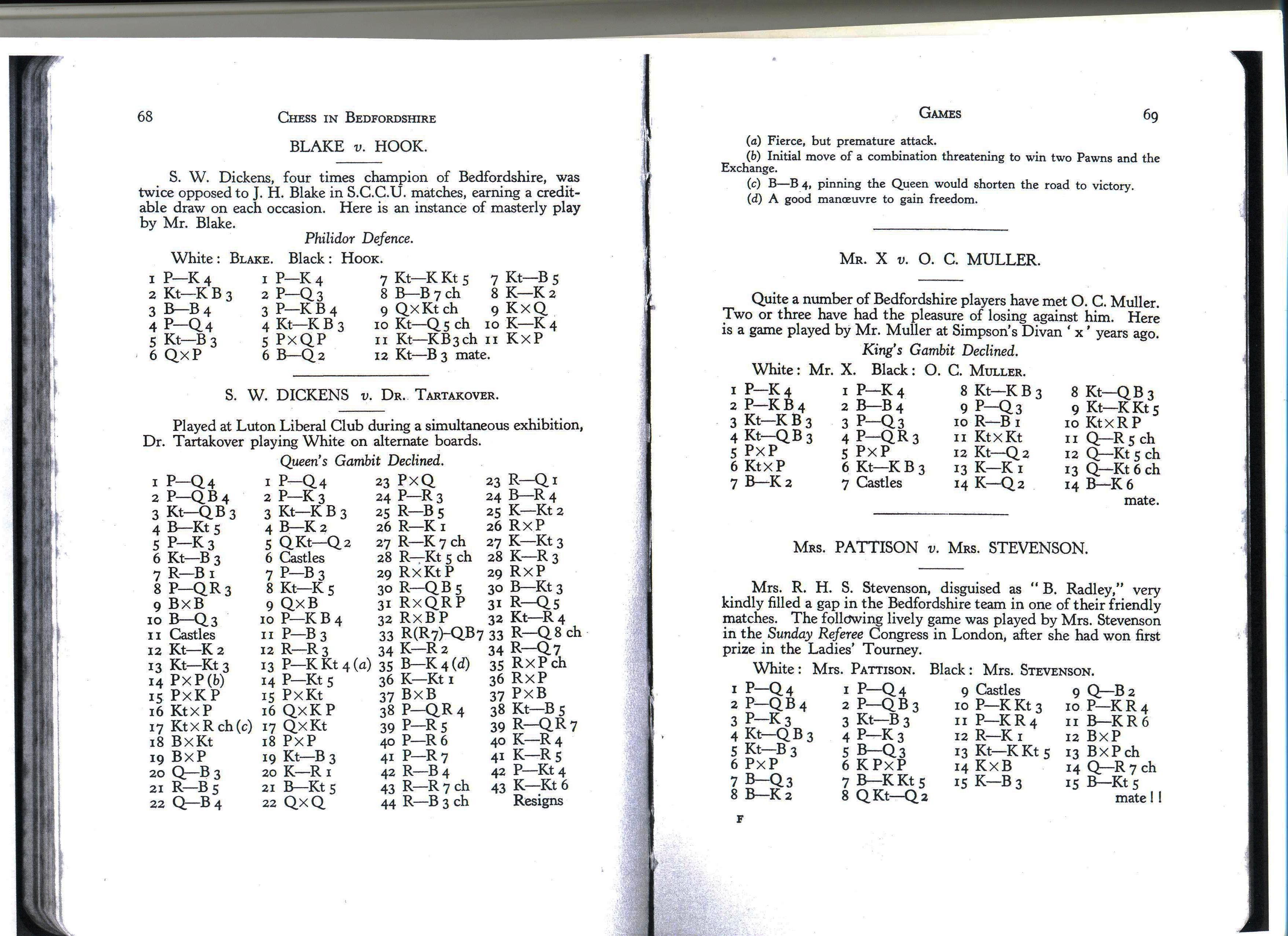
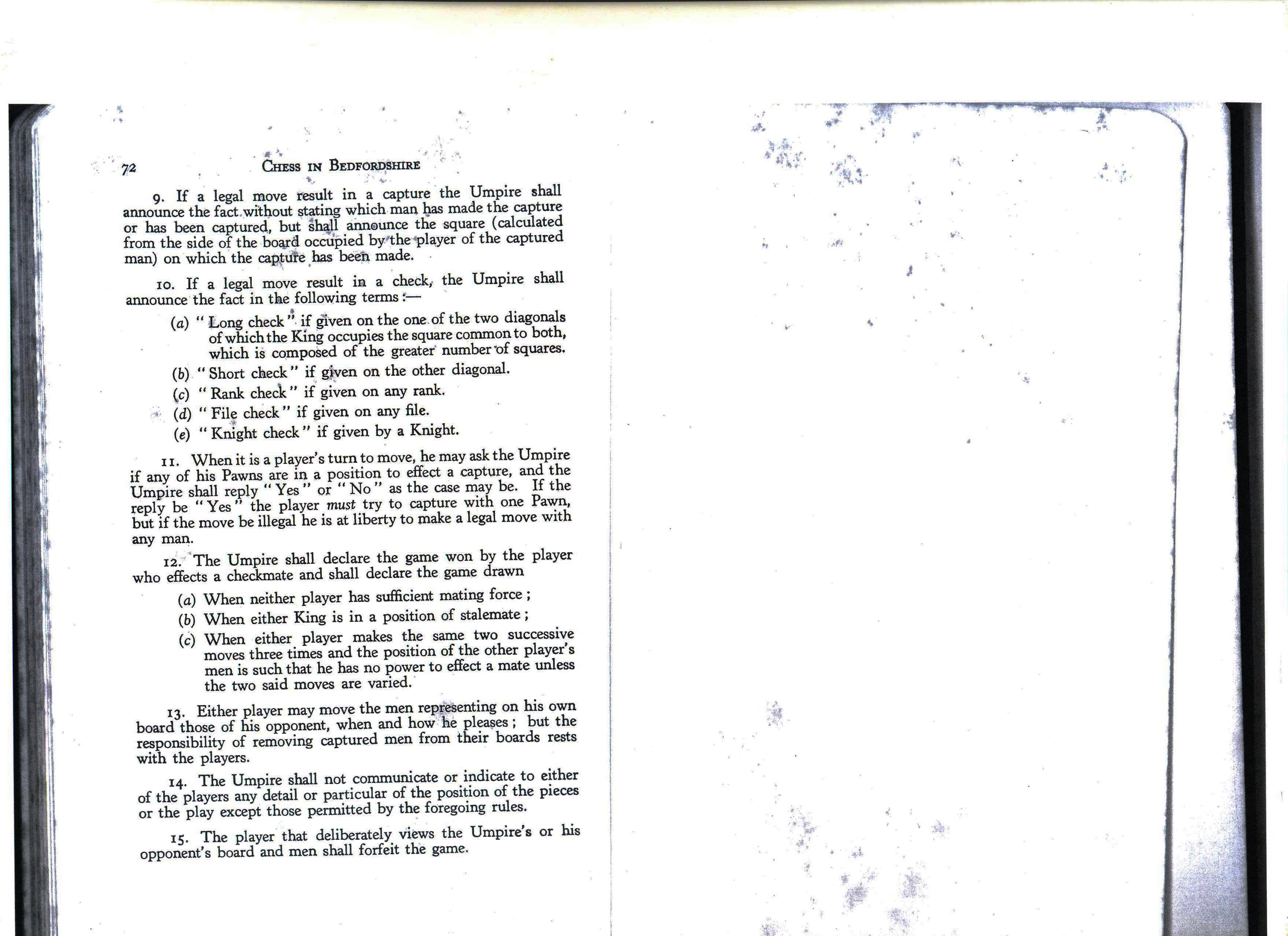
In this post you can find the 1933 classic Chess in Bedfordshire (F.Dickens & G.L White: Leeds Whitehead & Miller). It’s a rare book but can be found in Bedford library. When I can free up my work schedule I will write about it in more detail as the (heavily flawed) approach by the authors, which G.L. White explains in the Foreword has a number of significant historiographical ramifications; with the exception of a brief mention on page 42, they have -believe it or not- omitted Bedfordshire’s first internationally recognized player…more on that when I can find the time, until then enjoy reading… .

a b c d e f g h i j k l m n o p q r s t u v w x y z za zb zc zd ze zf zg zh zi zj zk zl zm zn

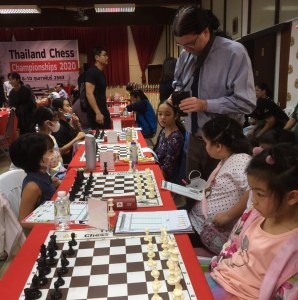
GM Jan Gustafsson, all-round nice guy, huge fan of the Thai Open and the face of Chess24.com has put together an entertaining video. Enjoy.