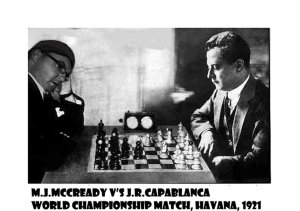
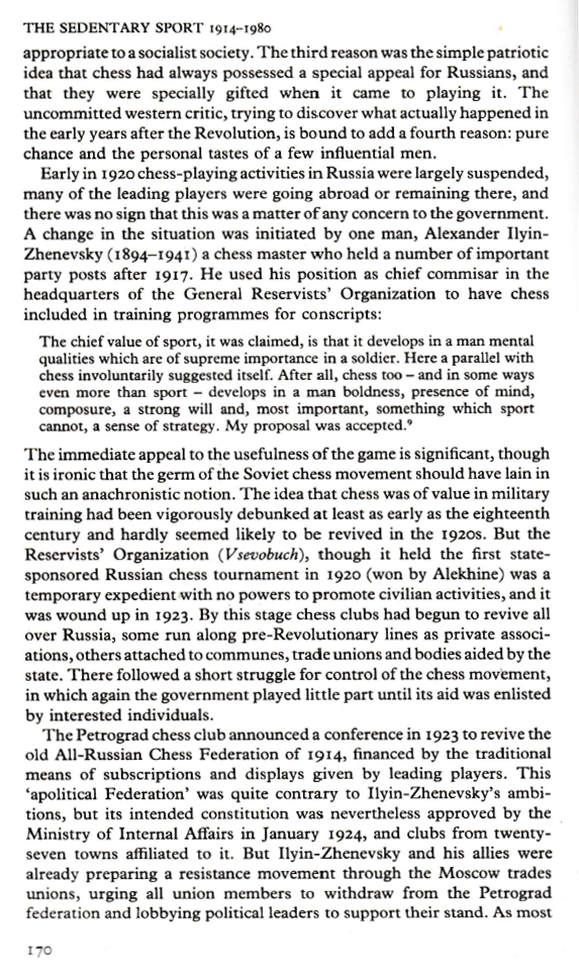
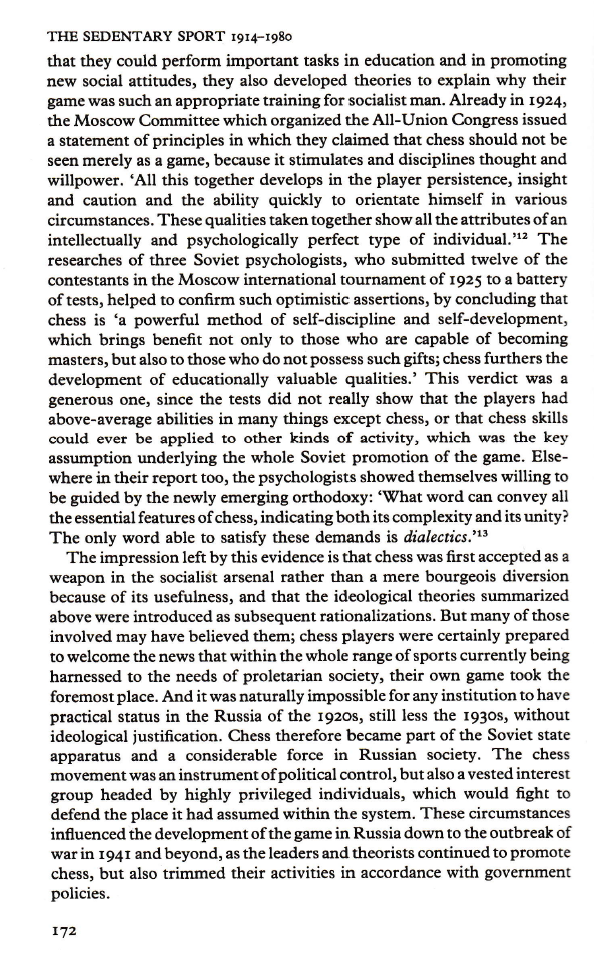
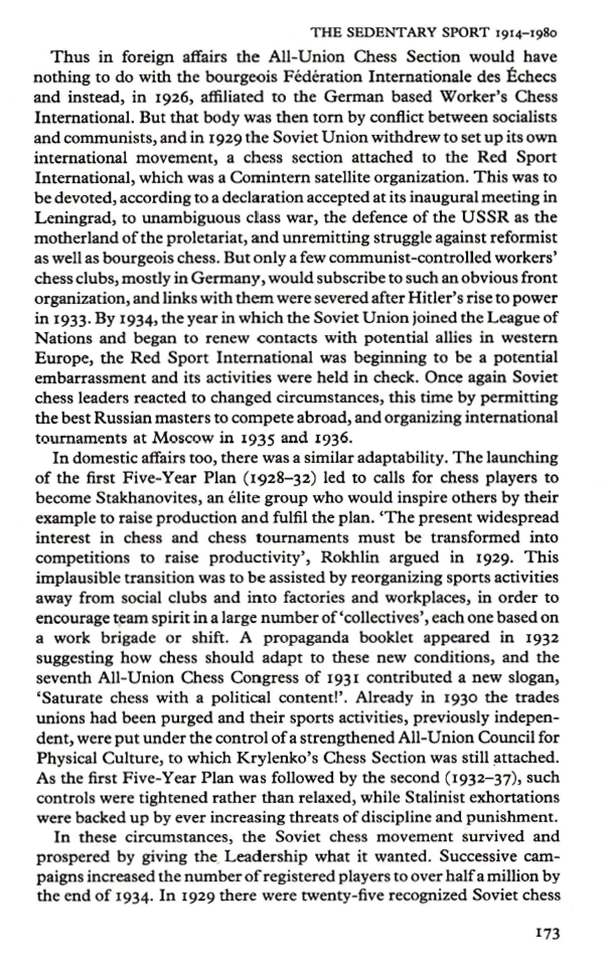
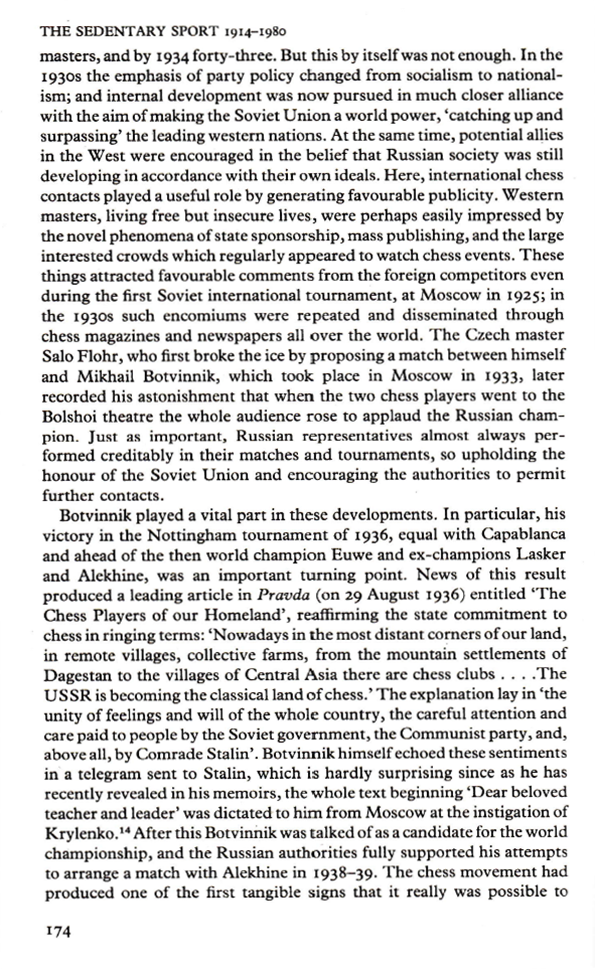
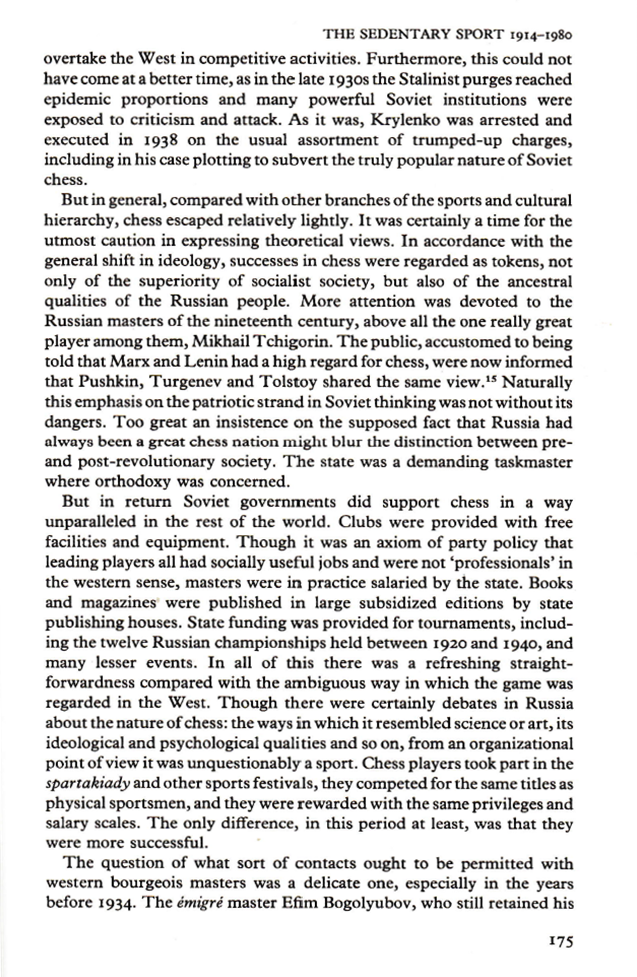
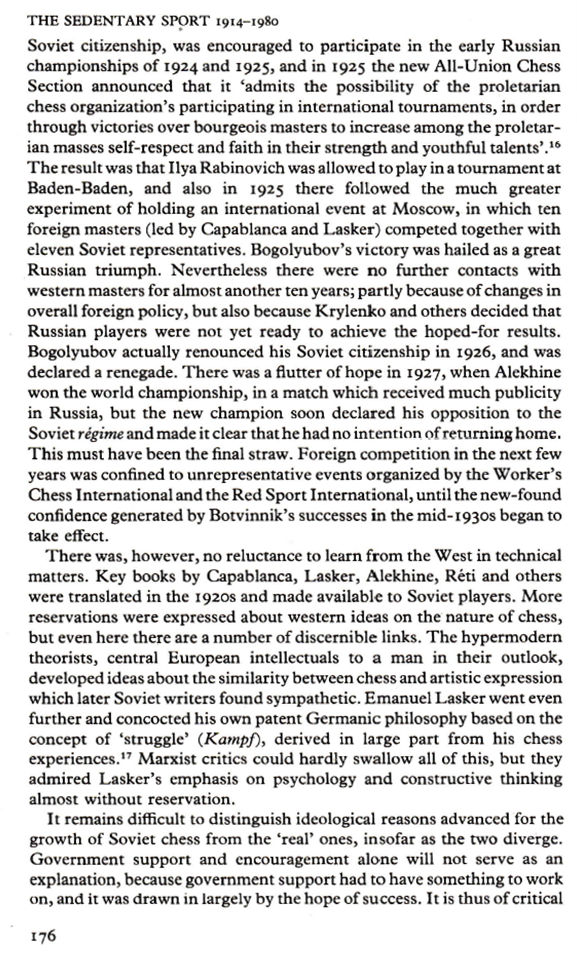
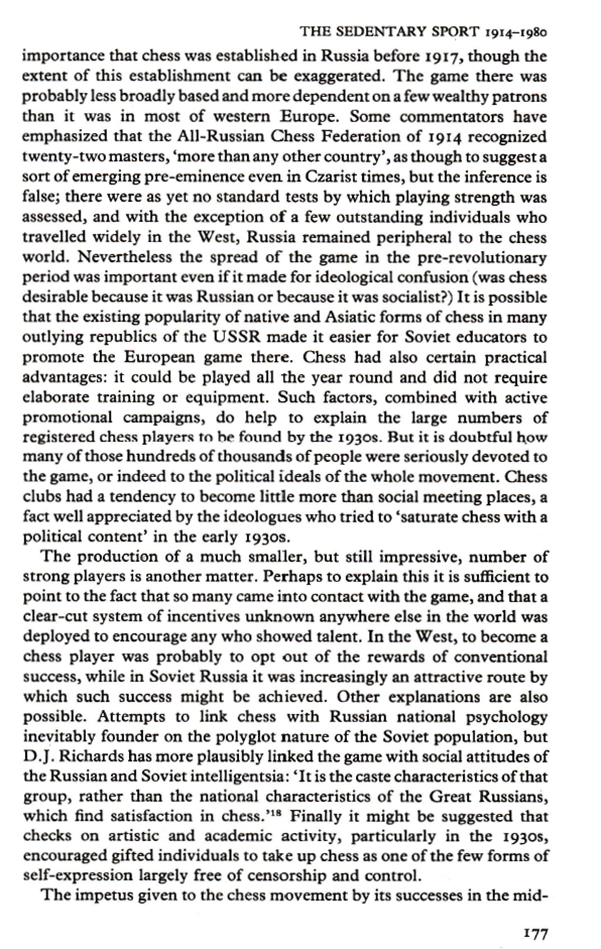
Here is historian Eales’s account of the Soviet chess phenomenon. It’s an engaging and insightful narrative but bear in mind that ten pages is obviously not enough to cover such a period in any detail, hence it should serve as an introduction to the topic -and it is a very good one at that.


Posted in Quaint Chess History | 1 Comment »
Apparently, on Jan 31st 2012 I posted this on my fb page with the question: What’s black’s best move here?
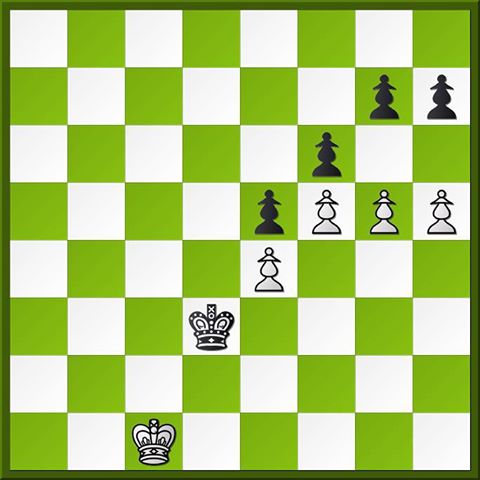
It’s not that hard but you can ask for the answer if necessary.
Posted in Life beyond the chess board | Leave a Comment »
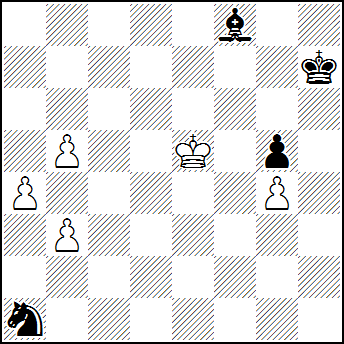
White to play and draw.
Solution below:
(Scroll down slowly)
1.b6 Nxb3
2.b7 Nc5
3.b8=N Nxa4
4.Nd7 Bg7+
5.Kf5 Kh6
6.Nc5 Nxc5
Posted in Kasparyan | Leave a Comment »
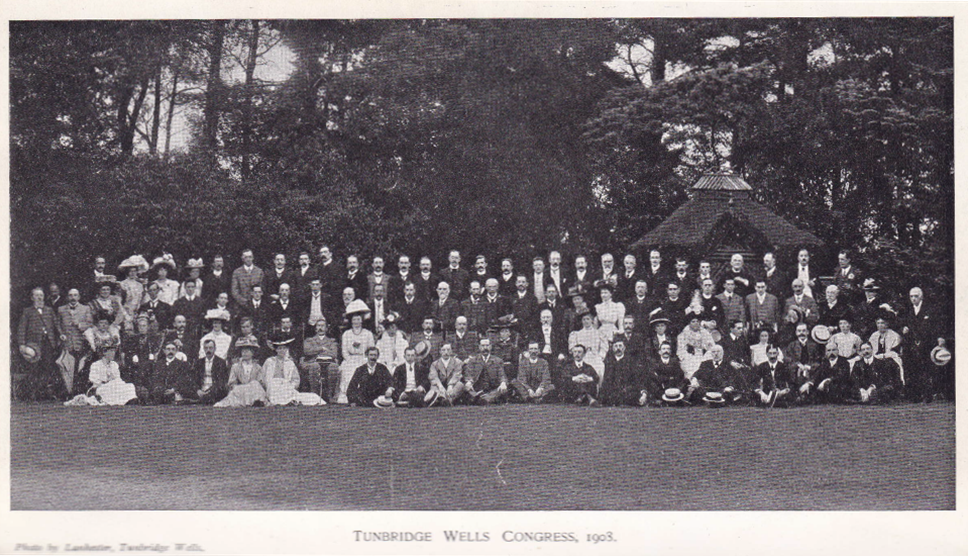
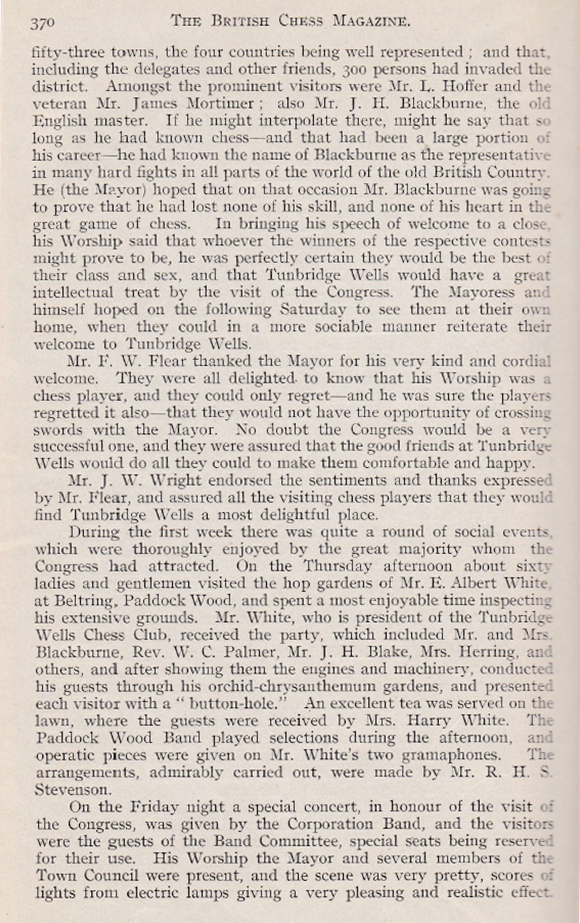
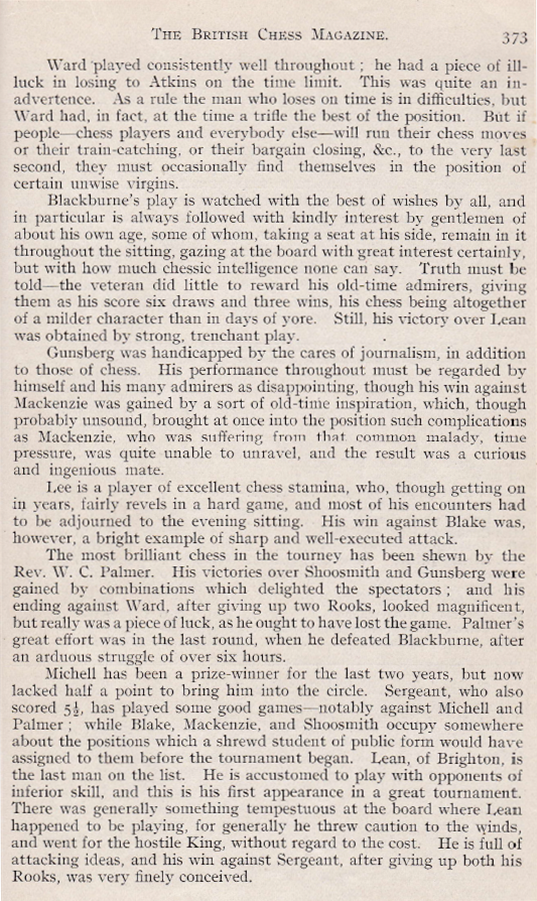
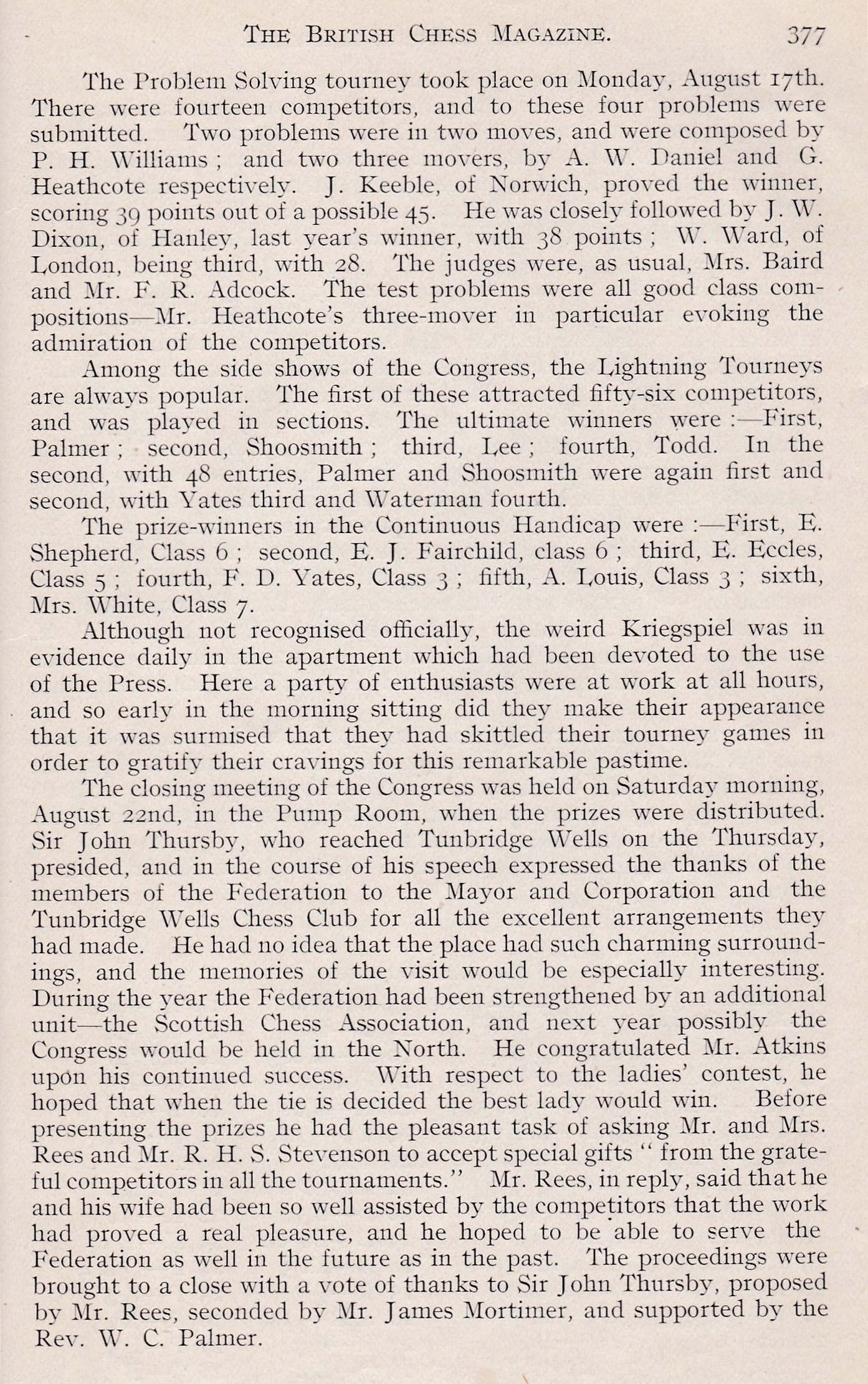
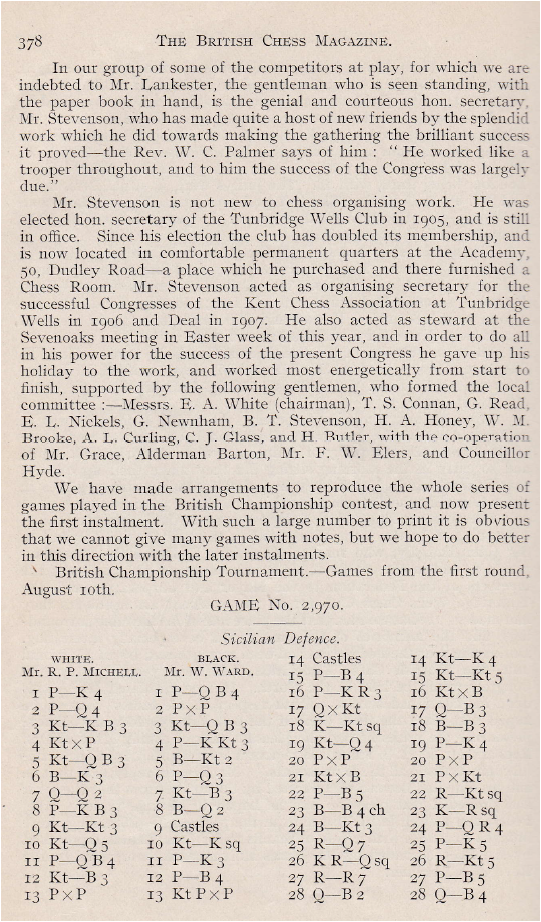
Here is an account from the British Chess Magazine. The games provided are William Ward’s.







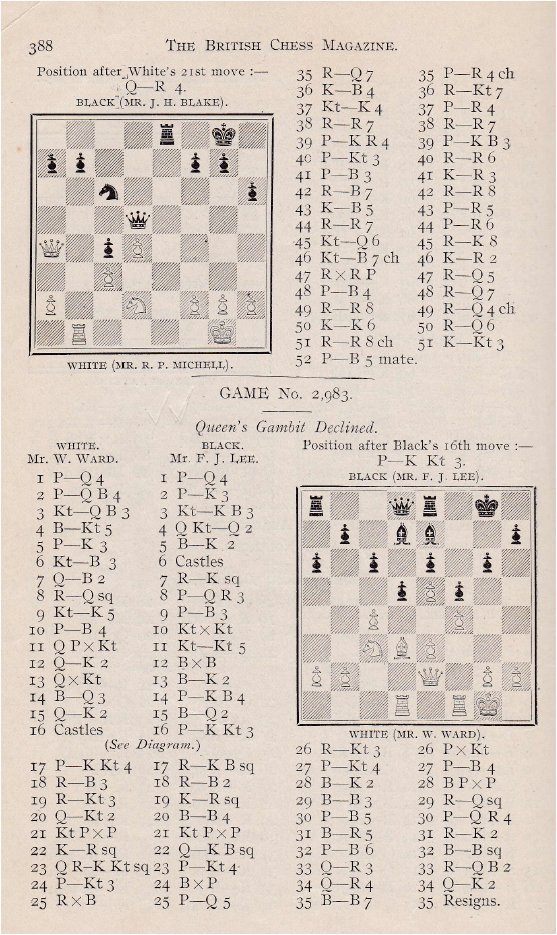
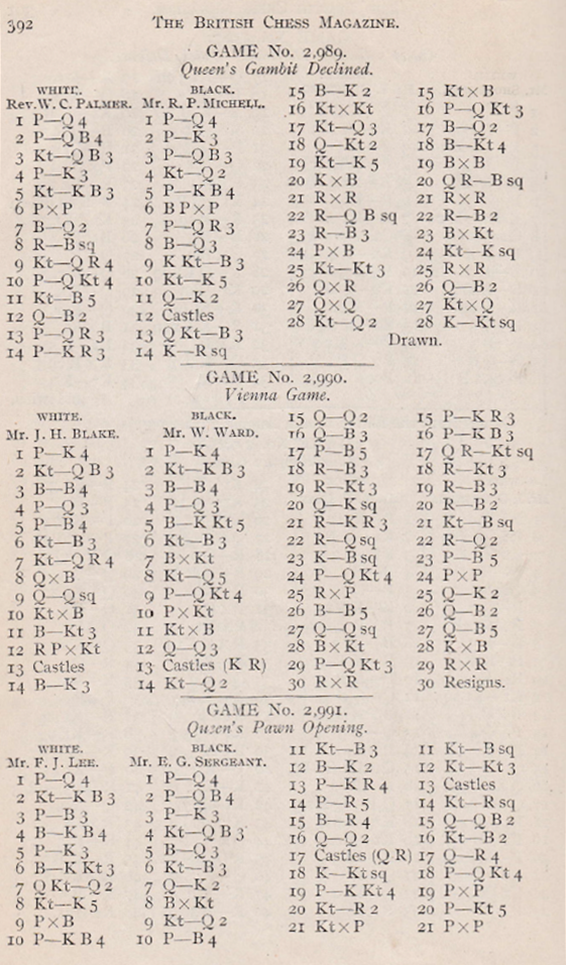
Posted in History of Bedfordshire Chess from 1900-1920, Quaint Chess History | 1 Comment »

White to play and draw.
Solution below:
(scroll down slowly)
1.Bh2+ Kh4
2.g3+ Kxh3
3.Nd3 e1=Q
4.Nxe1 f2
5.Nf3 f1=Q
6.Ng1+ Kg4
Beautiful huh? Final position can be seen here: https://twitter.com/McCreadyChess/status/693359875301076992
Posted in Kasparyan | Tagged Kasparyan | Leave a Comment »

Here’s another carefully selected example from Dr. Nunn that shows how difficult King and Pawn endgames are. Take the following position for example, I doubt whether a strong GM could find the solution in blitz.
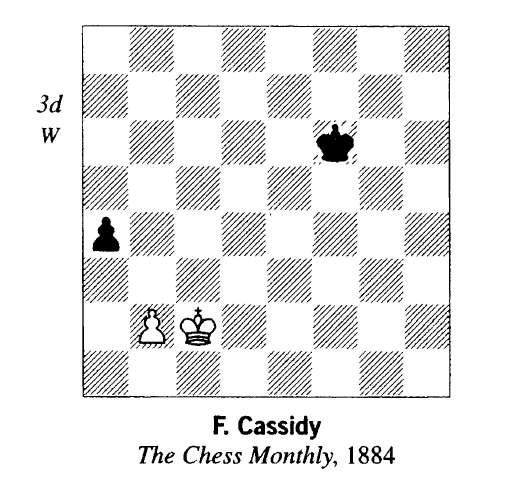
It’s white to play and win. Take your time and make an effort to discard the more obvious moves. Carefully scroll down if you need the answer.
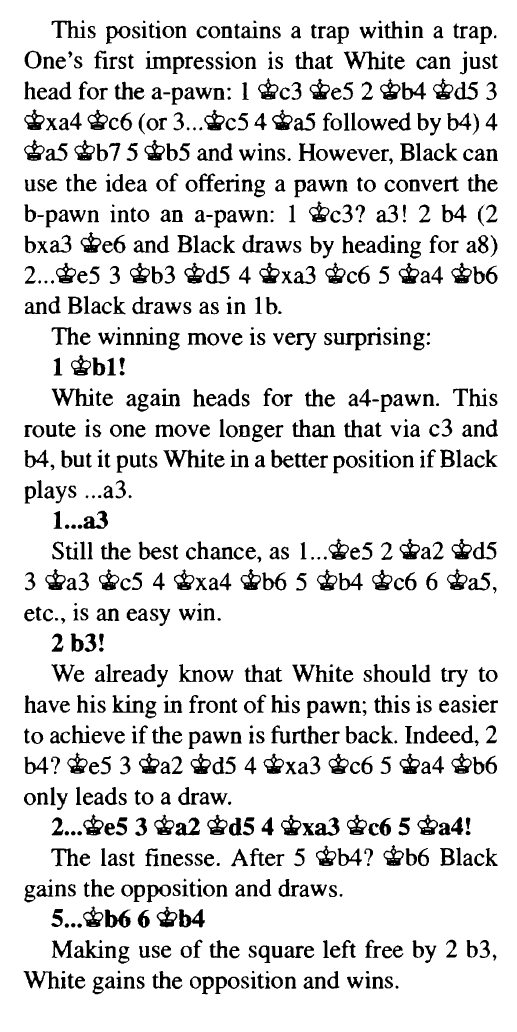
Understanding Chess Endgames, pg.15.
Posted in Life beyond the chess board | Leave a Comment »
At approximately 5.49 am this morning, I sat by the window on the bus to work as it drove across the desert in the gloom and had an epiphany. Not yet awake, I was staring at the following position on my smart phone.

I am white and it is from a correspondence game which I started last week. I love the grand prix attack and spent a quiet few mins deliberating over whether to kick the knight with e5 or play the more standard f5. But instead of being able to perform basic calculations I was struck by the beauty of the position and how imbalanced it is.
Just thought I’d share that.
Posted in Personal Interest & Experience | Leave a Comment »
In case you missed it, here’s some quality journalism from the BBC. It discusses the chess phenomenon in Armenia and asks why such a small nation is so successful. Is Armenia the cleverest nation on earth? I don’t know but they are certainly the smartest in the Caucasus.
Here’s the link: http://www.bbc.co.uk/programmes/p004j7zg
You may need to be in the UK to listen, in which case the BBC iPlayer Proxy in you are a google chrome user. You can find it from the google chrome store.
Posted in Life beyond the chess board | Leave a Comment »
I grow warm, I begin to feel happy. There is nothing extraordinary in this, it is a small happiness of Nausea: it spreads at the bottom of the viscous puddle, at the bottom of out time – the time of purple suspenders, and broken chair seats; it is made of white, soft instants, spreading at the edge, like an oil stain. No sooner than born, it is already old, it seems as though I have known it for twenty years.
Jean Paul Satre, Nausea
Kents Athletic Club, Luton’s sole surviving chess hub is to close after nearly 40 years. It’s a typical story in modern day England; with a back drop of cultural decline, rising costs and dwindling numbers make the venue no longer financially viable. It is to be bulldozed, then someone will plonk a block of apartments on it most probably. This means that Luton, a town of over 200,000, will no longer have a chess club when the new year begins. Thankfully yours truly, though thousands of miles away, is not going to allow that.
The critical state of the chess club itself -almost bankrupt and without enough members to make ONE team, if you can believe that – has meant that the club and its demoralized members are struggling to find a new venue. Chess teaches us that risks should always be taken from a position of strength and not weakness, and so uprooting in such a desperate position could spell the end. But there are times when it is necessary to act quickly and confidently; it took me just three hours to find a solution and a new home for the club, much to the delight of the club secretary. The second phase is to readvertise and start promoting chess locally to attract members lost due to the poor playing conditions of recent years -that’s the easy part. We once had access to the ballroom at Kents, then we were pushed into the lounge, then into a tiny room at the back of an extension, much to the disgust of every visiting team. It is they more than anyone who will welcome the change of venue.
I might even fly in for the handover as the logistics of moving to a new venue are frightfully complicated, as the predicted conversation below suggests.
J =John (former friend)
M = Me
M ‘Easy geezer.’
J ‘Alright Mark, you alright?’
M ‘Yeah, alright mate yeah…er ya got those keys for that room then?’
J ‘Nah, never lock it mate, just go in yeah.’
M ‘Ah cheers.’
J ‘No worries mate…oh, er what dya’ wannit for again?’
M ‘Just some chess innit, we won’t wreck the joint, don’t worry.’
J ‘Ya better not, just off for a quick slash yeah, let us know if ya need anyfink.’
M ‘Yeah cheers.’
Let us hope that the new year brings revival for Luton Chess Club, it certainly needs it.
Where shall I keep mine? You don’t put your past in your pocket; you have to have a house. I have only my body: a man entirely alone, with his lonely body, cannot indulge in memories; they pass through him. I shouldn’t complain: all I wanted was to be free.
Jean Paul Satre, Nausea
Posted in Bedfordshire Chess | Leave a Comment »
-
Recent Posts
Archives
…on what this site initially became…on what this site is now becoming…on what this site cannot become…
Categories
- Academia
- Bedfordshire Chess
- Chess
- Chess in Thailand
- Dear Ken
- Documentaries
- FIDE
- GM Rowson's thoughts
- History of Bedfordshire Chess from 1900-1920
- History of Bedfordshire Chess from 1920-1940
- History of Bedfordshire Chess from 1940-1960
- History of Bedfordshire Chess from 1960-1980
- History of Bedfordshire Chess from 1980-2000
- History of Bedfordshire Chess in the 19th century
- History of Bedfordshire Chess in the 21st century
- Humour
- Kasparyan
- Life beyond the chess board
- Luton Chess Club
- Meme
- Moves I could never play
- My daughter
- My own endeavours
- My Own Games
- My own warped humour
- On-line journal
- Personal Interest & Experience
- Postmodern History
- Quaint Chess History
- Reflections
- Reviews
- Selected on-line games
- Sources of inspiration
- Tournament Chess
- Trivia
- Viz inspired material
- Who wants to be a millionaire chess special
- World Championships Analytics
- X
Posts which McCready is mighty pleased with
Luton & The University of Bedfordshire Chess Club
Tuesdays from 7.30 pm, The Library, Ground Floor
Please go to:
https://www.lutonchessclub.com/Blog Stats
- 34,412 hits
-
Join 38 other subscribers
-
A side note on how to read old Tom Sweby's columns
-
Not perhaps, but quintessentially, Old Tom Sweby is best thought of as a passionate devotee to the newspapers he wrote for. He was well read and knowledgeable of the Bedfordshire chess scene and well beyond, given that he was the president of the S.C.C.U. once upon a time. He was generally well-respected and rubbed shoulders with many, if not all, of those eminent within British chess circles. It would, however, be a critical mistake to see his column is primary source material entirely. That it is not. You will also find secondary source material quoted too, and the reliability of that is not quite as Tom hoped. Given that he wrote for decades, this is to some degree inevitable, and after all we are all prone to error whether we realize it or not. Thankfully, with regards to old Tom Sweby, they are infrequent and for the most part old Tom continued to document events and developments in the Bedfordshire league from the get go as best he could but, of course, everything lies open to interpretation. Despite this, and generally speaking. this does indeed make him informative and thus worth reading. Dare I say his columns constitute a narrative describing the latest developments, match reports and changing nature of the Beds league...he knew his audience and wrote according. This manifested itself over decades but brevity was always in play courtesy of the restictions imposed by writing a column. Should you wish to read a in instrumental figure of the Beds' league post WW2, you are quite welcome to peruse what has been posted here... . :-) I should, however, point out that as the decades wore on he gradually moved on away from narratives concerning the Bedfordshire league towards affairs both historical and international. The reasons for this are multifarous, old age was a predominante factor presumably, however, the bottom line is with regards to how the Bedfordshire chess scene developed post WW2: old Tom Sweby is your go to guy. He wrote more about chess in Bedforshire than anyone else did but given he was a Lutonian and writing for a Luton newspaper there is both bias and greater coverage of his hometown than the rest of the county.
Gallery
-
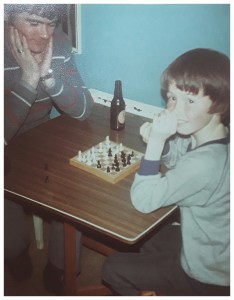
- I’m either 10 or 11 here
-

- 1982, myself versus Brian from Sunderland.
-

- At the Thai Junior chess championships. My daughter of course.
-

- Pattaya 2011
-

- 2011
-
- Thai Junior Championships
-

- 2008
-

- 2011
-
- Around 2011
-
- 2011
-

- Pattaya 2009
-

- 2011
-

- Kuwait 2008
-

- 2012
-
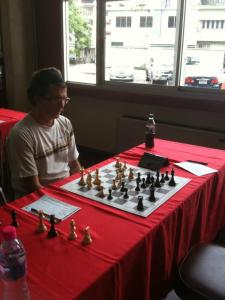
- 2012
-
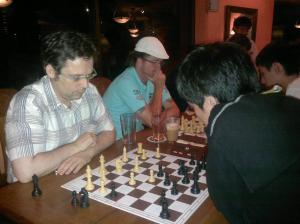
- 2011 BKK Chess club
-

- 2011
-

- 2011 Thai Open
-
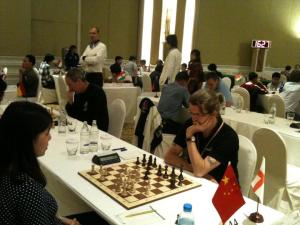
- 2011 Thai Open
-
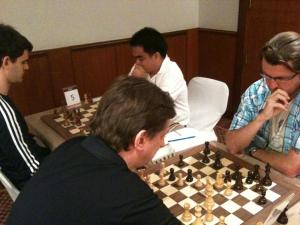
- 2013 approx
-
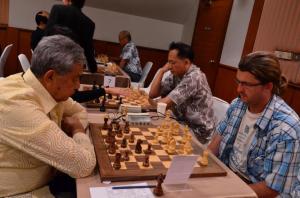
- Around 2014
-
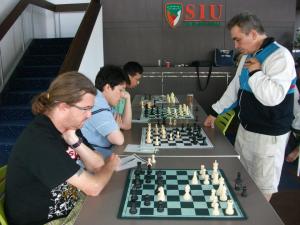
- 2010
-
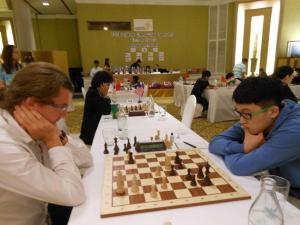
- 2012
-

- Around 2011
-
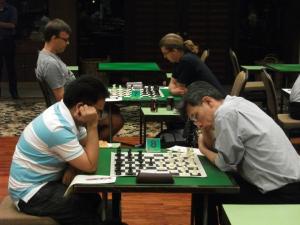
- 2011
-
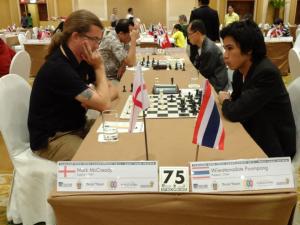
- 2011
-

- 2013
-

- Around 2011
-

- Around 2011
-

- 2020
-
- 2011
-

- 2008
-
- 2011
-

- 2013 or thereabouts
-
- 2010
-

- 2017
-
- 2014?
-
- 2010
-
- 2024
-
- 2024
-

- 2024
-
-
To add comments, please see the bell at the top of the page.